80% of Delhi's pollution Monday due to crackers
Source Entity
KUSHAGRA DIXIT
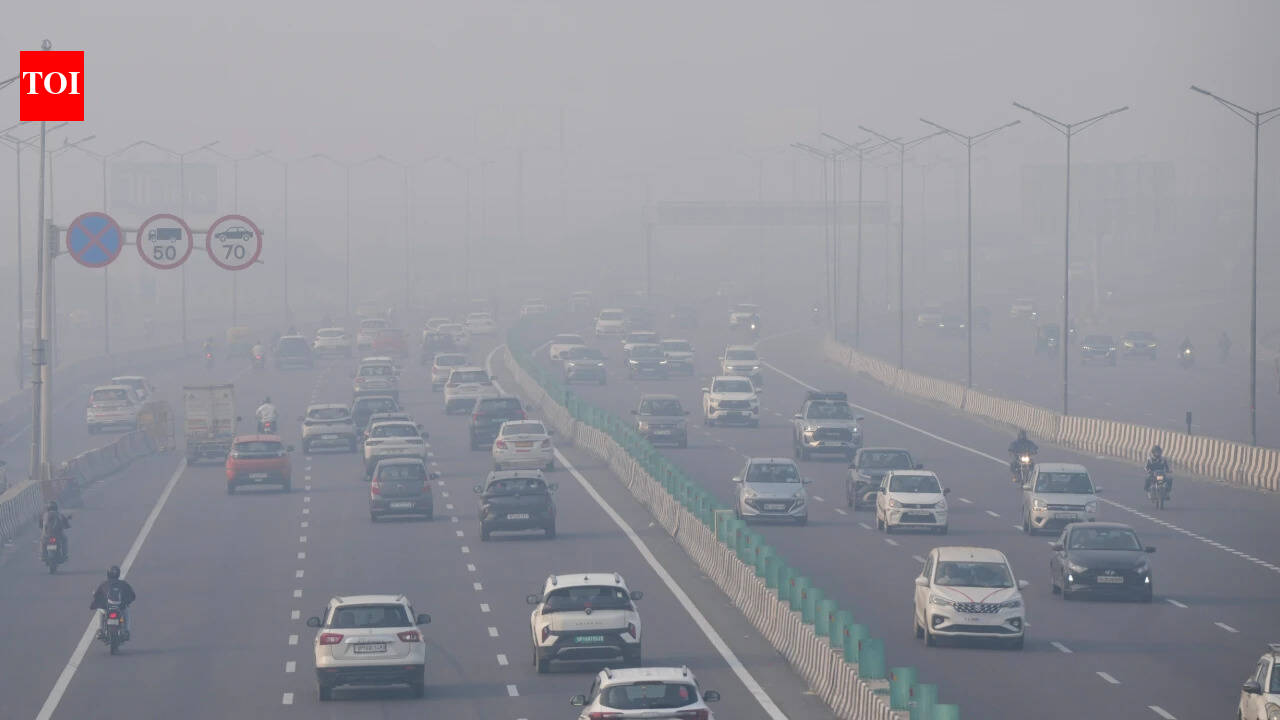
Post-Diwali air quality in Maharashtra shows inland cities like Pimpri Chinchwad suffering worse pollution than Mumbai. Meanwhile, the CPCB has capped AQI inputs at 1,000 µg/m³, sparking debate over how monitoring technology reflects extreme, momentary spikes in pollution.
The Post-Diwali Air Quality Crisis in Maharashtra
Following the recent Diwali festivities, air quality data across Maharashtra has revealed a stark disparity between coastal and inland urban centers. While Mumbai’s post-Diwali air quality received significant public attention, data from the Central Pollution Control Board (CPCB) indicates that inland cities faced substantially more severe conditions. On November 9, thirteen cities across the state were classified within the ‘poor’ or ‘very poor’ categories, highlighting a widespread deterioration in air quality that suggests regional atmospheric challenges rather than localized incidents.
Inland Cities Bearing the Brunt
Analysis of the CPCB dashboard data provides a concerning picture of the state’s interior. Pimpri Chinchwad emerged as the most severely affected area, with an Air Quality Index (AQI) surpassing 300. Similarly, Pune experienced a dramatic surge, with pollution levels reaching 2.5 times higher than the figures recorded during the same period last year. This trend is further underscored by the fact that of the ten worst-hit cities this year, all were categorized as ‘poor,’ whereas only Nanded fell into that category during the previous Diwali, indicating a significant year-over-year decline in air quality management outcomes.
The Mumbai Exception: Coastal Influence
In contrast to the inland crisis, Mumbai managed to maintain a ‘moderate’ AQI of 172. According to Professor Gufran Baig of the National Institute of Advanced Studies (NIAS), this relative stability was largely due to meteorological factors. The increase in wind speed from the sea over a 48-hour period, coupled with a shift in wind direction, played a crucial role in dispersing pollutants. While Mumbai did see a sharp rise from 131 at midday to 278 by late evening, the coastal ventilation provided a natural buffer that inland cities lacked.
Methodological Shifts and Data Transparency
Beyond regional pollution trends, the CPCB has introduced a significant change in how air quality is reported. The board announced that readings from continuous ambient air quality monitoring stations (CAAQMS) exceeding 1,000 µg/m³ will now be capped and excluded from the National Air Quality Index (NAQI). The CPCB justifies this by stating that the index is designed to measure “prolonged exposure” rather than “momentary readings” caused by extreme spikes, such as those occurring during peak firecracker bursting.
Implications for Monitoring and Public Health
This policy shift comes amid heightened scrutiny regarding sensor reliability, particularly following reports that over two-thirds of Delhi’s monitoring stations went offline during the peak Diwali hours. Critics argue that by capping the data, the CPCB may be obscuring the true intensity of pollution that citizens are exposed to, even if for a short duration. The CPCB maintains that its methodology remains under active review, balancing the need for technological advancement with international monitoring standards.
Future Trends and Conclusion
The current situation underscores the complexity of managing air quality in an era of rapid urbanization and climatic variability. As Maharashtra continues to grapple with seasonal pollution spikes, the reliance on meteorological dispersion—like the sea winds that aided Mumbai—cannot be a substitute for comprehensive emission control. Moving forward, the effectiveness of the NAQI will depend on how the CPCB reconciles its new data-capping policy with the public’s need for accurate, real-time exposure information, ensuring that policy decisions are based on the most transparent and representative data possible.
Multiple Citing Sources