State to amend rules to make EV charging points mandatory in housing societies
Source Entity
Latest News: Todays Latest News Headlines from India & World | Hindustan Times | Hindustan Times
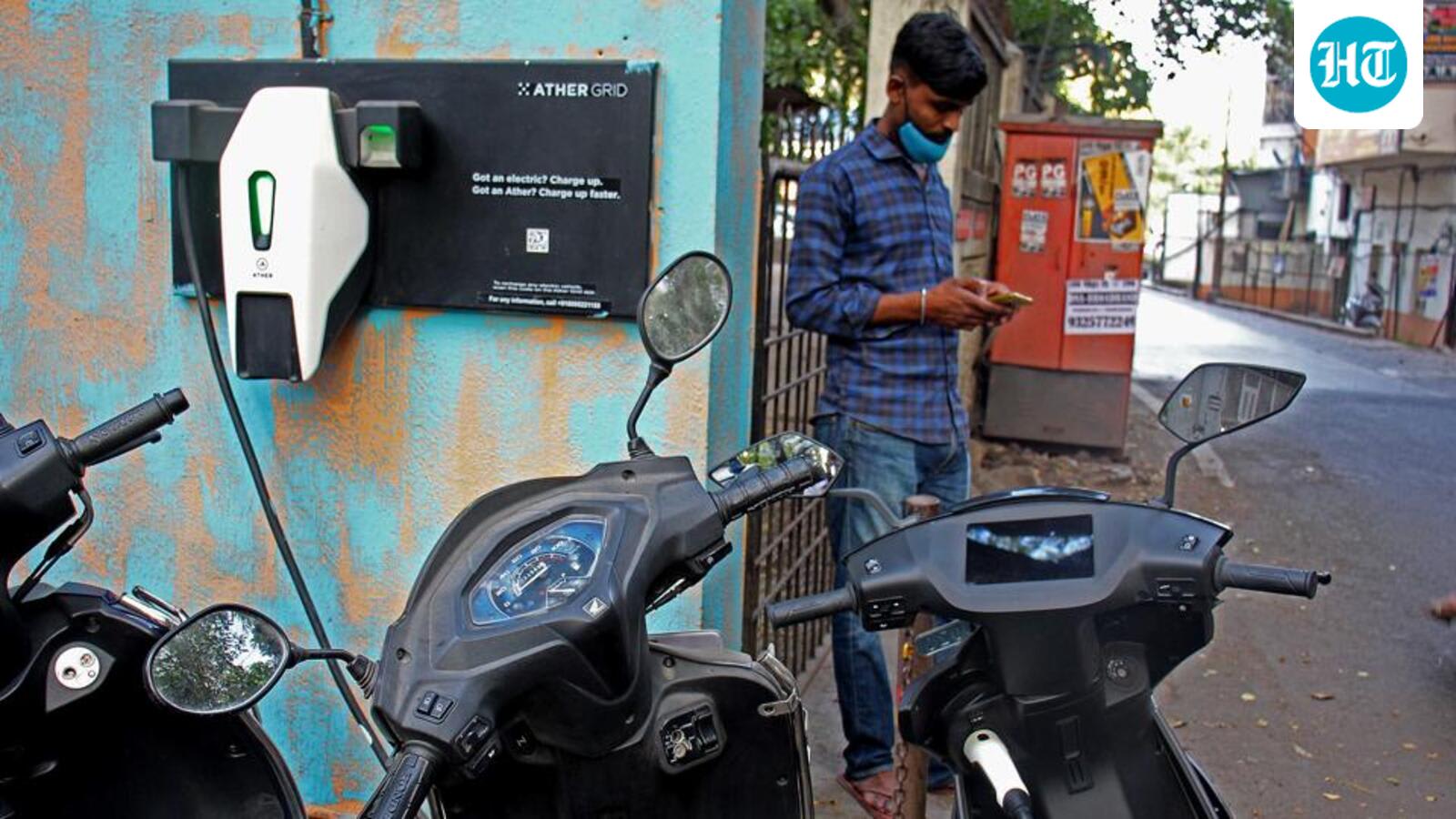
The Maharashtra government is moving to amend building regulations to mandate electric vehicle charging infrastructure in new residential developments. This policy shift aims to accelerate EV adoption by providing incentives for existing societies and ensuring future-ready infrastructure.
Maharashtra’s Strategic Push for EV Infrastructure
The Maharashtra state government is taking a decisive step toward sustainable urban mobility by proposing amendments to the Unified Development Control and Promotion Regulations (UDCPR). By aiming to make electric vehicle (EV) charging points mandatory in the parking lots of new residential buildings, the administration is shifting from a voluntary adoption model to a structural requirement. This move is designed to eliminate 'range anxiety' for potential EV buyers, which remains one of the most significant barriers to the mass adoption of electric vehicles in dense urban environments like Mumbai and Pune.
The Mandate and Future-Ready Construction
Under the proposed changes, new construction projects will be required to integrate charging infrastructure directly into their architectural blueprints. The Maharashtra EV Policy 2025 sets an ambitious standard, requiring that 100% of parking spaces in new buildings be equipped with EV-charging facilities. This forward-looking approach ensures that the state’s urban infrastructure evolves in tandem with the automotive industry's transition toward electrification, preventing the need for costly and complex retrofitting in the coming decade.
Incentivizing Existing Housing Societies
Recognizing the challenges inherent in older developments, the policy does not solely focus on new builds. The state has introduced a comprehensive 'EV Charging Station Incentive' mechanism. By offering concessions on electricity charges and property taxes, the government is incentivizing existing housing societies to carve out space for charging stations. This dual-pronged strategy addresses both the supply of new infrastructure and the modernization of legacy residential stock, ensuring a holistic transition to green energy.
Administrative Coordination and Policy Implementation
The implementation of these mandates involves a concerted effort between the transport department and urban planning bodies. The recent correspondence between the transport department and urban development authorities highlights the bureaucratic alignment necessary to enforce these changes. This coordination is essential for standardizing the technical specifications of charging stations and ensuring that the operational guidelines remain consistent across different municipal jurisdictions in the state.
Broader Economic and Environmental Implications
Beyond the immediate convenience for residents, these regulations serve as a catalyst for the state's broader environmental goals. By normalizing EV infrastructure in residential hubs, the state is effectively lowering the barrier to entry for consumers, which in turn stimulates demand for electric vehicles. This surge in demand is expected to bolster the local EV manufacturing ecosystem, attract investment in battery technology, and contribute significantly to the reduction of carbon emissions in Maharashtra’s rapidly expanding urban centers.
Conclusion: A Sustainable Future
As the state government formalizes these amendments, Maharashtra is positioning itself as a leader in India’s green energy transition. By institutionalizing EV charging as a fundamental utility—much like water or electricity—the state is building a foundation for long-term sustainable development. The success of this policy will depend on the effective administration of incentives and the continued cooperation of housing societies, but the regulatory framework currently being established represents a critical milestone in the journey toward a cleaner, electrified transportation future.
Verification Required?