Maharashtra gets tough on exam cheats, paper leaks; proposes Rs 10 crore fine, jail term
Source Entity
Shubhangi Khapre
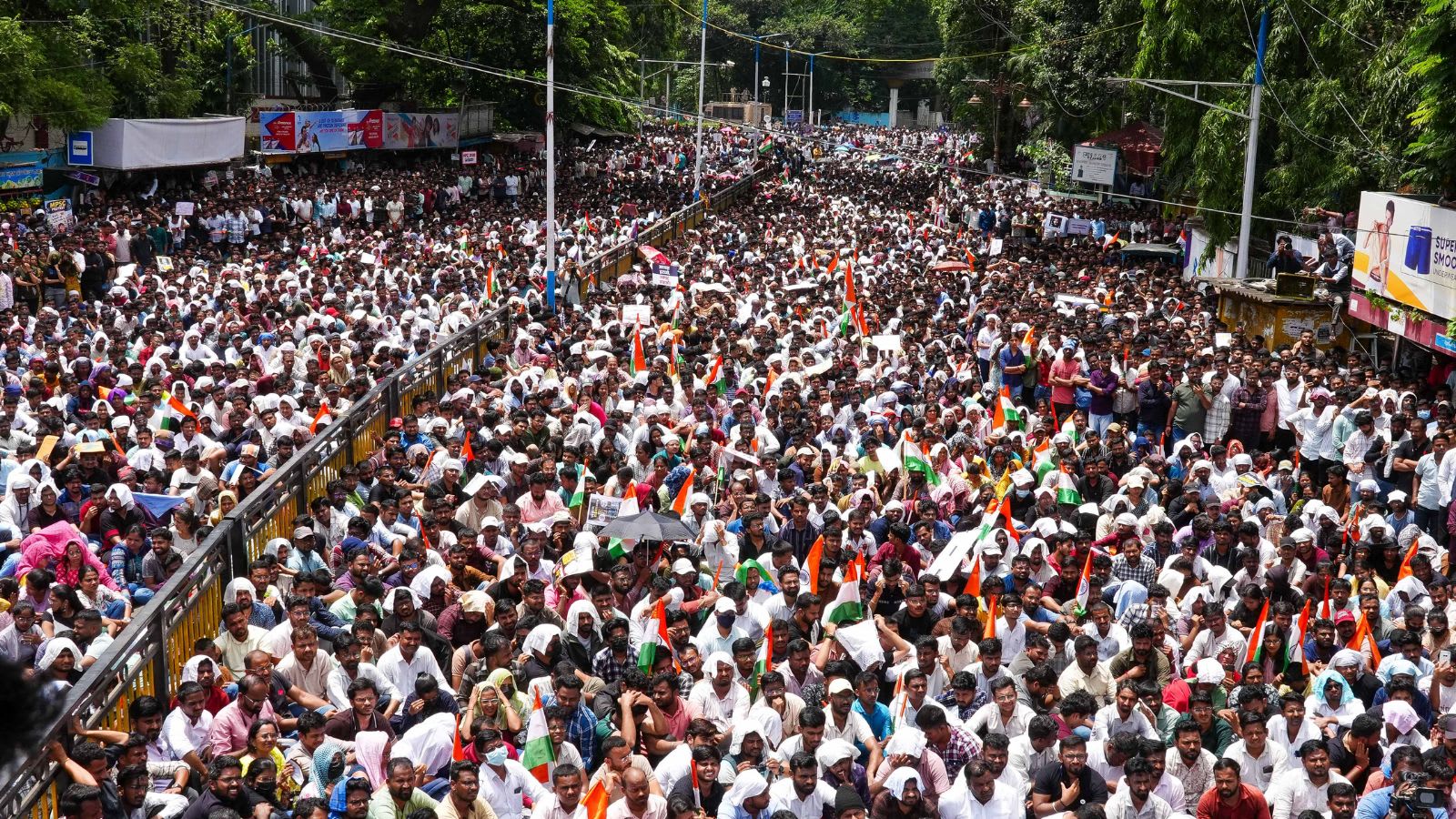
The Maharashtra government is set to introduce stringent anti-cheating legislation during the upcoming winter session. The proposed law includes fines of up to Rs 10 crore and long-term imprisonment for those involved in exam paper leaks.
Maharashtra’s Legislative Crackdown on Exam Malpractice
A Decisive Move Against Academic Fraud
The Maharashtra government is taking aggressive steps to restore the integrity of its competitive examination system. Following a series of concerns regarding paper leaks and systemic corruption, a high-level committee led by Additional Chief Secretary V. Radha has proposed significant amendments to the Maharashtra Competitive Examinations (Prevention of Improper Means) Act, 2024. These recommendations, submitted on November 23, represent a paradigm shift in how the state handles organized exam malpractice.
Escalating Penalties and Deterrence
The core of the proposed legislation focuses on severe financial and criminal repercussions. Offenders involved in organized exam malpractice could face 7 to 10 years of imprisonment and a staggering minimum fine of Rs 10 crore. This marks a substantial increase from the existing penalties of 5 to 10 years in jail and a Rs 1 crore fine. By mandating that perpetrators cover the costs of losses incurred by the state and allowing for the potential confiscation of their property, the government is signaling a 'zero-tolerance' policy towards those who compromise the future of students.
Accountability for Service Providers
Beyond the individuals directly facilitating leaks, the committee has cast a wide net to include third-party service providers. Under the new proposals, companies or agencies caught in malpractice would face fines of up to Rs 5 crore—a five-fold increase from current caps. Furthermore, these entities would be blacklisted for eight years, effectively barring them from participating in future government recruitment processes. This move aims to professionalize the examination infrastructure and ensure that the private partners hired by the state are held to the highest standards of transparency.
Political Will and Legislative Timeline
Chief Minister Devendra Fadnavis has confirmed that the government intends to introduce and pass these tougher laws during the upcoming winter session, scheduled to take place at Vidhan Bhavan in Nagpur from December 7 to 18, 2026. This timeline underscores the urgency with which the current administration is addressing public frustration over recruitment delays and exam irregularities. By fast-tracking these reforms, the government aims to rebuild trust with the youth and aspirants who rely on these exams for their career prospects.
Broader Implications for Recruitment Integrity
The shift toward such punitive measures reflects a broader trend in Indian governance, where states are increasingly moving to protect the sanctity of competitive exams. By addressing both the criminal elements of organized cheating and the accountability of administrative service providers, the proposed law serves as a comprehensive deterrent. If successfully implemented, this framework could set a precedent for other states, potentially transforming the landscape of public sector recruitment and ensuring that meritocracy remains the bedrock of state employment.
Multiple Citing Sources