Over 54,000 forensic cases pending in Maharashtra; one in four laboratory posts vacant
Source Entity
Latest News: Todays Latest News Headlines from India & World | Hindustan Times
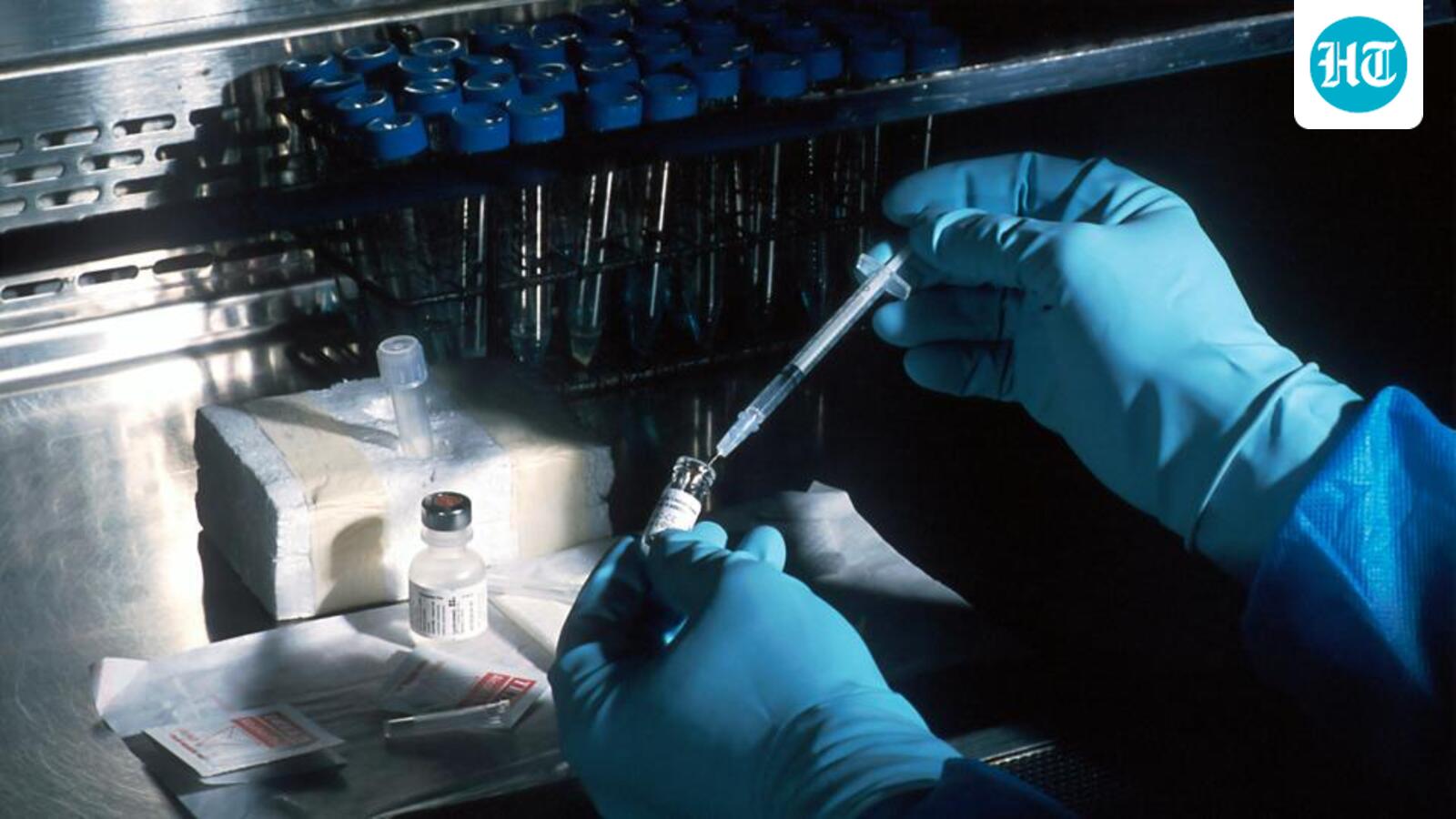
Maharashtra faces a critical backlog of over 54,000 forensic cases, exacerbated by a 25% vacancy rate in laboratory staffing. This systemic delay is directly undermining judicial outcomes, leading to acquittals and prolonged pre-trial detentions.
The Crisis of Forensic Backlogs in Maharashtra
The judicial system in Maharashtra is currently facing a significant operational crisis, characterized by a massive backlog of over 54,000 forensic cases. This congestion within the state’s forensic infrastructure is not merely a bureaucratic hurdle; it is a fundamental impediment to the administration of justice, effectively stalling criminal investigations and undermining the integrity of trial outcomes.
Impact on Criminal Justice and POCSO Trials
The consequences of these delays are starkly visible in sensitive criminal proceedings. In a recent case involving the alleged sexual assault of an eight-year-old, the inability to produce critical forensic evidence resulted in the acquittal of the accused by a special POCSO court on October 21. When scientific evidence, which is often the linchpin of a prosecution’s case, remains unavailable, the judicial process is stripped of its ability to hold perpetrators accountable, leaving victims without the closure they deserve.
Staffing Deficits and Operational Strain
A primary driver of this systemic failure is the severe manpower shortage within the state's laboratories, where one in four positions currently remains vacant. This 25% vacancy rate creates an unsustainable workload for existing personnel, leading to bottlenecks in processing evidence such as DNA samples, toxicology reports, and digital forensic data. Without adequate staffing, the forensic pipeline becomes a static reservoir of evidence rather than a dynamic component of the investigative process.
Bail Proceedings and Investigative Delays
Beyond trial outcomes, the forensic delay significantly influences pre-trial proceedings, particularly regarding bail. In the extortion case involving comedian Kapil Sharma, the prosecution admitted in a Mumbai sessions court on March 10 that voice sample analysis remained pending long after the charge sheet was filed. This delay provided the defense with grounds to secure bail, illustrating how the inability to provide timely scientific proof can inadvertently favor defendants and prolong the legal trajectory of high-profile cases.
Broader Implications for Law Enforcement
The reliance on forensic science is growing globally, yet the infrastructure in Maharashtra remains ill-equipped to meet this demand. As criminal investigation strategies evolve to prioritize scientific verification, the disconnect between police investigative speed and laboratory processing capacity creates a 'justice vacuum.' This creates a broader trend where the efficacy of law enforcement is effectively capped by the limited throughput of forensic facilities.
Future Outlook and Policy Needs
To address this, the state must prioritize the filling of vacant laboratory posts and potentially invest in modernizing forensic workflows. Without systemic intervention, the backlog will likely continue to grow, further eroding public trust in the judicial process. Future trends suggest that unless these infrastructure gaps are bridged, the courts will continue to see increased rates of acquittals based on technical evidentiary delays rather than the facts of the cases themselves.
Verification Required?