How CPCB’s defence of Delhi's Diwali AQI undercuts its own case
Source Entity
Latest News: Todays Latest News Headlines from India & World | Hindustan Times
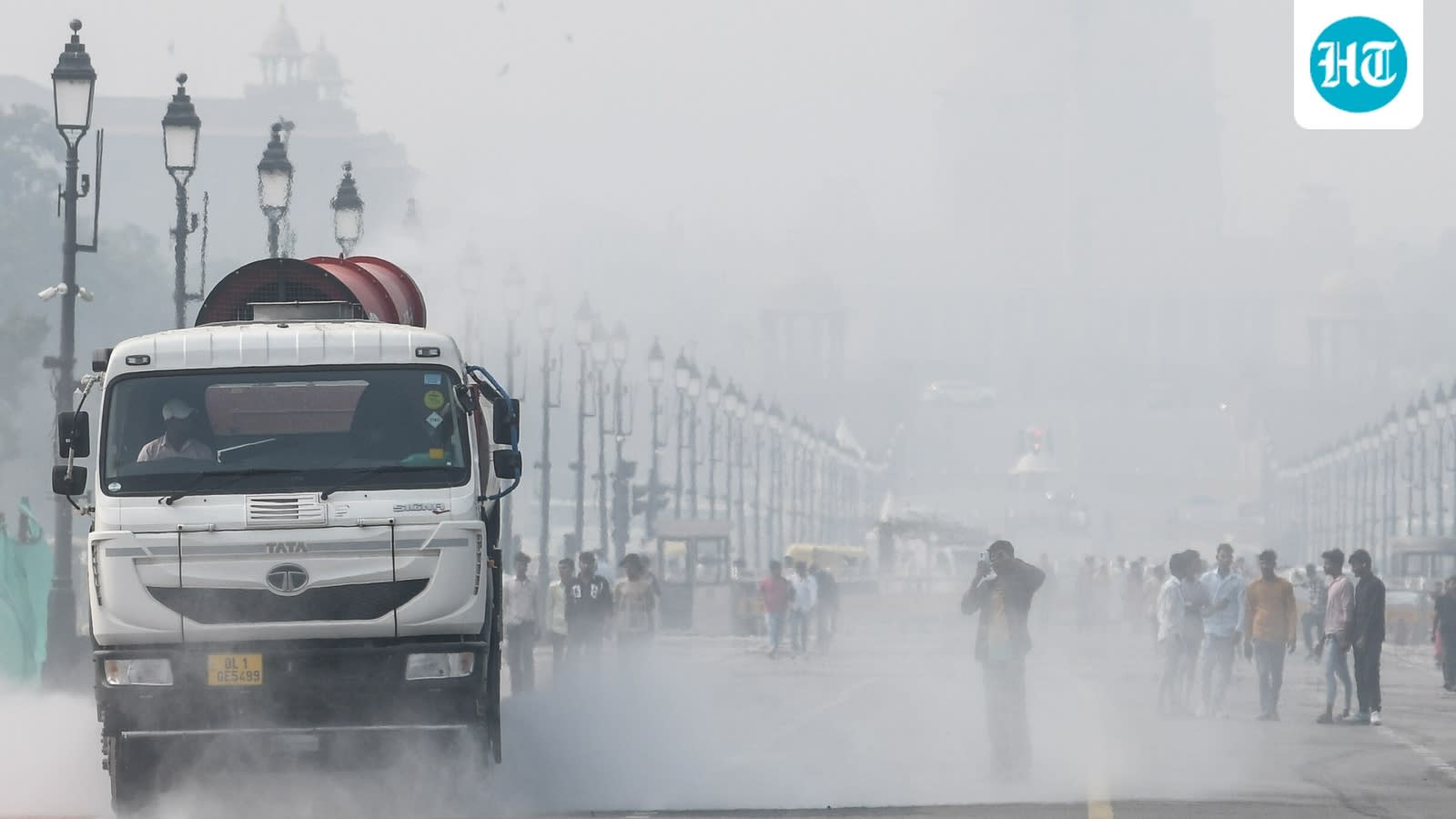
Post-Diwali air quality data reveals inland Maharashtra cities like Pimpri Chinchwad suffered significantly worse pollution than Mumbai. Meanwhile, the CPCB has capped AQI inputs at 1,000 μg/m³, sparking debate over monitoring methodology and data transparency.
The Post-Diwali Air Quality Crisis in Maharashtra
Recent data following the Diwali festival has highlighted a significant disparity in air quality across Maharashtra. While Mumbai’s air quality remained in the 'moderate' zone with an AQI of 172, inland cities faced a far more severe situation. Pimpri Chinchwad, in particular, recorded an alarming AQI of 301, while Pune’s pollution levels were 2.5 times higher than the previous year. On November 9 alone, 13 cities across the state were classified as having 'poor' or 'very poor' air quality, marking a stark decline compared to the previous year, where only Nanded fell into the 'poor' category.
The Meteorological Buffer in Mumbai
Mumbai’s relatively better performance, despite a spike from 131 to 278 on Diwali night, is largely attributed to favorable weather conditions. Professor Gufran Baig of the National Institute of Advanced Studies (NIAS) noted that increased sea breeze speeds and a shift in wind direction over a 48-hour period helped disperse pollutants. This meteorological intervention served as a crucial buffer, preventing the city from reaching the extreme pollution levels seen in inland regions where stagnant air likely exacerbated the impact of firecracker emissions.
CPCB Methodology and the 1,000 μg/m³ Cap
A controversial development in air quality monitoring has emerged with the Central Pollution Control Board (CPCB) confirming it has capped the upper limit of readings from continuous ambient air quality monitoring stations at 1,000 μg/m³. The board maintains that the National Air Quality Index (NAQI) is intended to reflect 'prolonged exposure' rather than 'momentary readings.' This policy decision effectively excludes extreme pollution spikes from the final index calculations, raising questions about data transparency and the accuracy of public health warnings during peak pollution events.
Monitoring Infrastructure Challenges
The reliability of the current monitoring system is further complicated by operational issues. Reports indicate that over two-thirds of the capital’s 59 monitoring stations went offline during the critical overnight period on Diwali. Such gaps in data collection, combined with the new capping methodology, suggest that the official AQI may be under-reporting the true intensity of pollution experienced by residents during the festival's most active hours.
Broader Implications and Future Trends
The trend of worsening air quality in inland Maharashtra suggests that urbanization and local meteorological factors are becoming increasingly critical for air management policy. As the CPCB reviews its methodology in light of international practices, there is a clear need for more robust infrastructure that can handle extreme data points without going offline. Moving forward, authorities must balance the need for 'prolonged exposure' metrics with the necessity of reporting acute, short-term health risks to the public during periods of intense firecracker activity.
Multiple Citing Sources
Verification Required?