Maharashtra’s Class 6 History textbook refers to ‘Vedic math’, experts say inaccurate depiction
Source Entity
Soham Shah
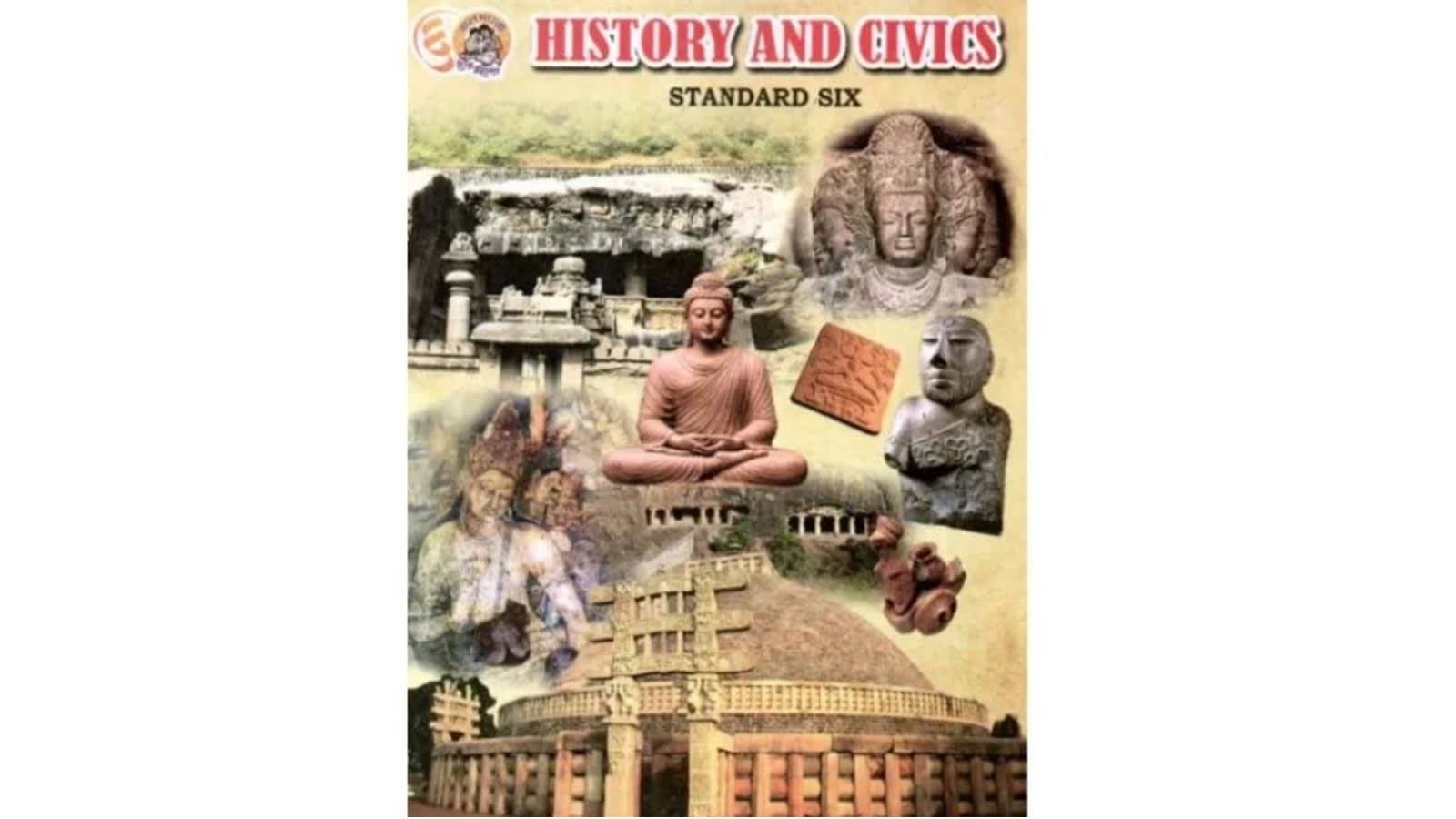
The Maharashtra state board's Class 6 History textbook is under scrutiny for inaccurately attributing modern Vedic Mathematics to the ancient Vedic period. Experts argue this misrepresents history, while state textbook officials claim the inclusion was intended to foster an interdisciplinary learning approach.
The Controversy Over Vedic Mathematics in Maharashtra’s Curriculum
Recent updates to the Maharashtra state board’s Class 6 History textbook have ignited a significant debate regarding the intersection of pedagogy, historical accuracy, and cultural representation. The text asserts that "thousands of years ago," Indians possessed advanced mathematical capabilities to solve complex sums, explicitly citing a book on 'Vedic Mathematics' authored by Shankaracharya Shri Bharati Krishna Tirtha. This inclusion has triggered sharp criticism from academic circles.
The Historical Discrepancy
The fundamental point of contention raised by Sanskrit and mathematics experts is the chronological inaccuracy inherent in the textbook’s framing. By linking the term 'Vedic' to the specific formulae popularized by Shankaracharya Shri Bharati Krishna Tirtha in the 20th century, the curriculum risks conflating ancient mathematical traditions with a modern system. Scholars argue that labeling these specific techniques as being from the 'Vedic period' misleads students about the actual timeline of Indian mathematical development.
Intent vs. Implementation
In response to the growing criticism, writers from Balbharti—the Maharashtra State Bureau of Textbook Production and Curriculum Research—have defended the inclusion. They maintain that the reference was not intended to be a strict historical claim about the Vedic era but rather an attempt to introduce an "interdisciplinary approach" to learning. The goal, they suggest, was to spark interest in mathematical history by showcasing traditional Indian methods of rapid calculation.
The Role of Interdisciplinary Education
While the objective of fostering an interdisciplinary curriculum is pedagogically sound, the implementation highlights the challenges of balancing national pride with historical rigor. Integrating mathematics into history textbooks can provide valuable context to students, yet the selection of source material remains critical. When educational content blurs the line between historical fact and later interpretations, it complicates the student's ability to distinguish between ancient achievements and modern reinterpretations.
Broader Implications for Curriculum Design
This incident underscores the necessity for rigorous vetting processes in state-level curriculum development. Educational authorities face the ongoing challenge of crafting narratives that are both engaging and factually precise. As the educational landscape evolves, the demand for transparency in how historical sources are verified and presented becomes increasingly paramount to ensure that students receive an accurate account of their cultural and intellectual heritage.
Conclusion
The discourse surrounding the Class 6 History textbook serves as a reminder of the sensitivity required when teaching history. While the desire to highlight Indian mathematical prowess is evident, the consensus among experts suggests that such efforts must be anchored in verified historical data. Moving forward, balancing cultural inspiration with academic accuracy will be essential for the credibility of the state's educational materials.