35% Mumbai voters face deletion after SIR; enumeration higher in rural areas
Source Entity
Latest News: Todays Latest News Headlines from India & World | Hindustan Times | Hindustan Times
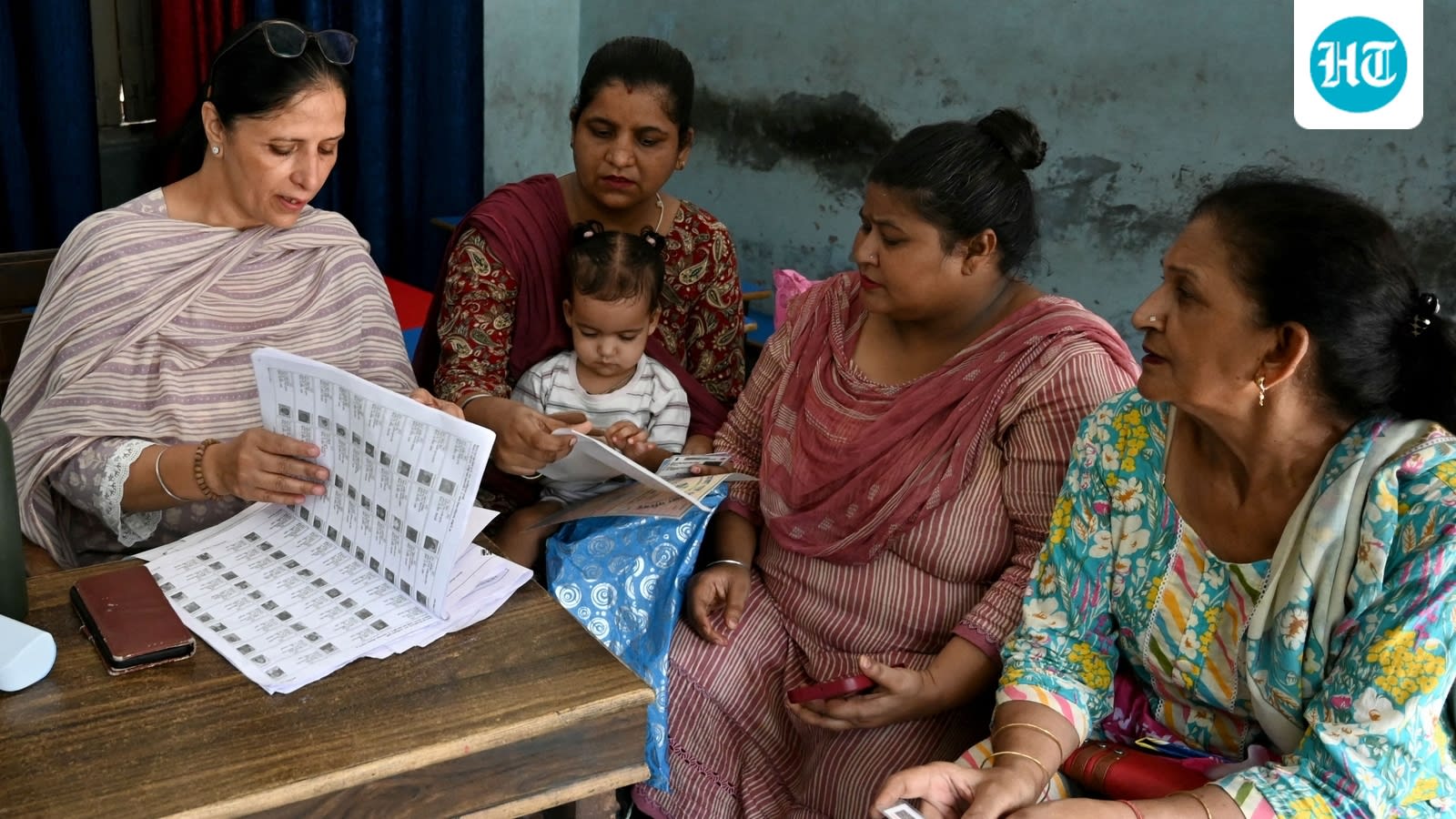
Maharashtra faces a significant challenge with over 2.07 crore voter forms uncollected during the Special Intensive Revision, leading to their exclusion from the upcoming draft rolls. Allegations of political interference and administrative pressure have emerged as election authorities move toward the final roll publication in October.
The Maharashtra Voter Enumeration Crisis: An Overview
The democratic integrity of Maharashtra’s electoral process faces a significant hurdle as the state navigates its Special Intensive Revision (SIR) of electoral rolls. According to official data released on August 17, 2026, over 2.07 crore voter enumeration forms (EFs) remain uncollected. This represents more than 21% of the state’s total electorate of 9.78 crore, raising urgent questions about administrative efficiency and the inclusivity of the upcoming electoral cycle.
Administrative Challenges and Geographic Impact
The scope of this administrative gap is concentrated heavily in urban centers, with nearly half of the uncollected forms originating from Thane, Mumbai, and Pune. As the enumeration phase concluded, the disparity between digitized records (7.69 crore) and total electors highlights a massive data collection failure. Election authorities have clarified that while these voters will not appear on the draft roll published on August 24, this exclusion is not permanent. A window for claims and objections remains open until September 23, with the final electoral roll scheduled for publication on October 27.
Political Allegations and Institutional Trust
Beyond the logistical difficulties, the process has become mired in political controversy. NCP-SP leader Rohit Pawar has publicly challenged the integrity of the verification exercise. Pawar alleges that Booth Level Officers (BLOs) were subjected to extreme pressure to complete the verification process, leading them to conduct desk-based surveys rather than mandated house-to-house visits. Furthermore, he claimed that these surveys were influenced by inputs from BJP workers, specifically naming Pune, Nashik, and Thane as sites of such irregularities. Such allegations strike at the core of public trust in the neutrality of the election machinery.
Comparison with Regional Processes
In contrast to the turmoil in Maharashtra, the state of Telangana has proceeded with its own SIR timeline, publishing its draft electoral rolls on August 17, 2026, following an enumeration period that spanned from June 25 to August 10. The transparency of the Telangana process, which allows citizens to easily access draft rolls via the Chief Electoral Officer’s website, underscores the standard expectations for electoral administrative procedure. The stark difference in the outcome of the enumeration phase between the two states highlights the potential impact of local administrative execution on voter enfranchisement.
Broader Implications for Electoral Integrity
The situation in Maharashtra serves as a critical case study for the risks inherent in large-scale electoral data management. When a significant portion of the electorate is left out of a draft roll due to uncollected forms, the burden of correction shifts from the state to the individual citizen. This risks disenfranchising vulnerable populations who may not have the resources or awareness to navigate the claims and objections process before the September 23 deadline.
Future Trends and Conclusion
Moving forward, the scrutiny surrounding the August 24 draft roll publication will likely intensify. With the final roll set for October 27, the effectiveness of the remedial period will determine whether the 2.07 crore voters are successfully reintegrated into the electoral process. The intersection of political allegations regarding software development and desk-based verification suggests that future electoral revisions will require greater transparency, independent oversight, and robust verification protocols to ensure that the final electoral roll accurately reflects the democratic will of the people.
Multiple Citing Sources
Verification Required?