Malappuram DDC urges Centre to drop Palakkad rail division split
Source Entity
India Latest News: Top National Headlines Today & Breaking News | The Hindu
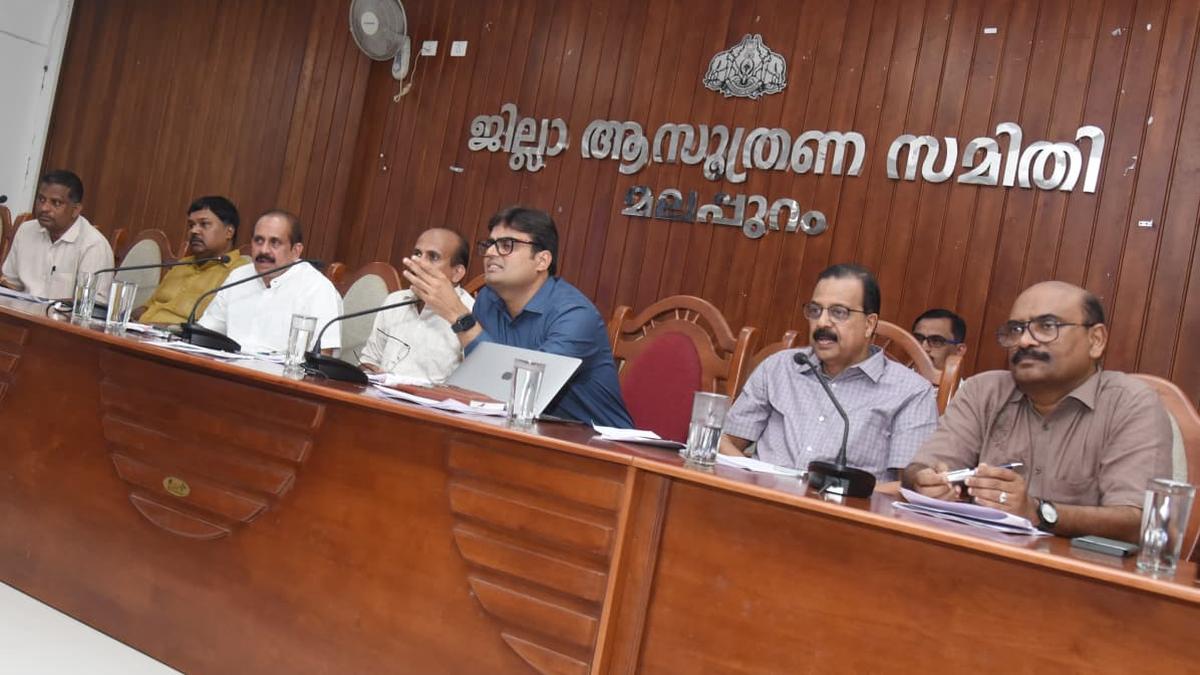
The Malappuram District Development Committee has formally opposed the proposed bifurcation of the Palakkad Railway Division. Officials warn that transferring the Mangaluru-Ullal section to the Mysuru division will negatively impact regional rail infrastructure and passenger services.
Opposition to the Palakkad Railway Division Bifurcation
The Malappuram District Development Committee (DDC) has taken a firm stance against the Railway Board’s proposal to bifurcate the Palakkad Railway Division. By unanimously passing a resolution, the committee has signaled a significant regional pushback against the transfer of the Mangaluru-Ullal section to the Mysuru division, viewing the move as a potential threat to the connectivity and economic growth of the North Malabar region.
Impact on Regional Connectivity
At the heart of the DDC’s concern is the potential degradation of rail services across Malappuram, North Malabar, and Kasaragod. These regions rely heavily on the current operational structure of the Palakkad division to coordinate local infrastructure projects and passenger demands. The committee argues that shifting administrative control to Mysuru could create bureaucratic hurdles, effectively stalling the introduction of much-needed new train services and the implementation of additional stops that are vital for the local population.
Administrative and Developmental Hurdles
The resolution, spearheaded by representatives of Public Works Minister P.K. Basheer, highlights the fear that administrative fragmentation will lead to a loss of focus on the specific developmental needs of the Malabar coast. Infrastructure projects, which are already subject to complex planning cycles, may face further delays if the jurisdiction over key sections like Mangaluru-Ullal is transferred. The DDC emphasizes that the current division allows for a more localized and responsive approach to rail management, which would be compromised under the proposed changes.
Socio-Political Context and Local Governance
Beyond the railway issue, the DDC meeting also touched upon broader regional stability. MLA P.K. Navas took the opportunity to commend local law enforcement for their efforts in maintaining peace at Unnyal beach following recent political clashes. This underscores the committee's role not just as a transport advocate, but as a body deeply involved in the socio-political stability of the district, balancing infrastructure demands with the necessity of civil order.
Future Implications and Outlook
Looking forward, the resistance from the Malappuram DDC serves as a barometer for regional sentiments regarding federal railway policy in Kerala. If the Union government proceeds with the bifurcation, it risks alienating local stakeholders who feel that their logistical requirements are being sidelined for administrative convenience. The outcome of this dispute will likely set a precedent for how future railway re-organizations are handled in South India, highlighting the tension between centralized administrative efficiency and the localized needs of rapidly developing districts.
Verification Required?