Alphabet to solar system art: How Malda is transforming 3,000 government schools with ‘learning walls’
Source Entity
Sweety Kumari
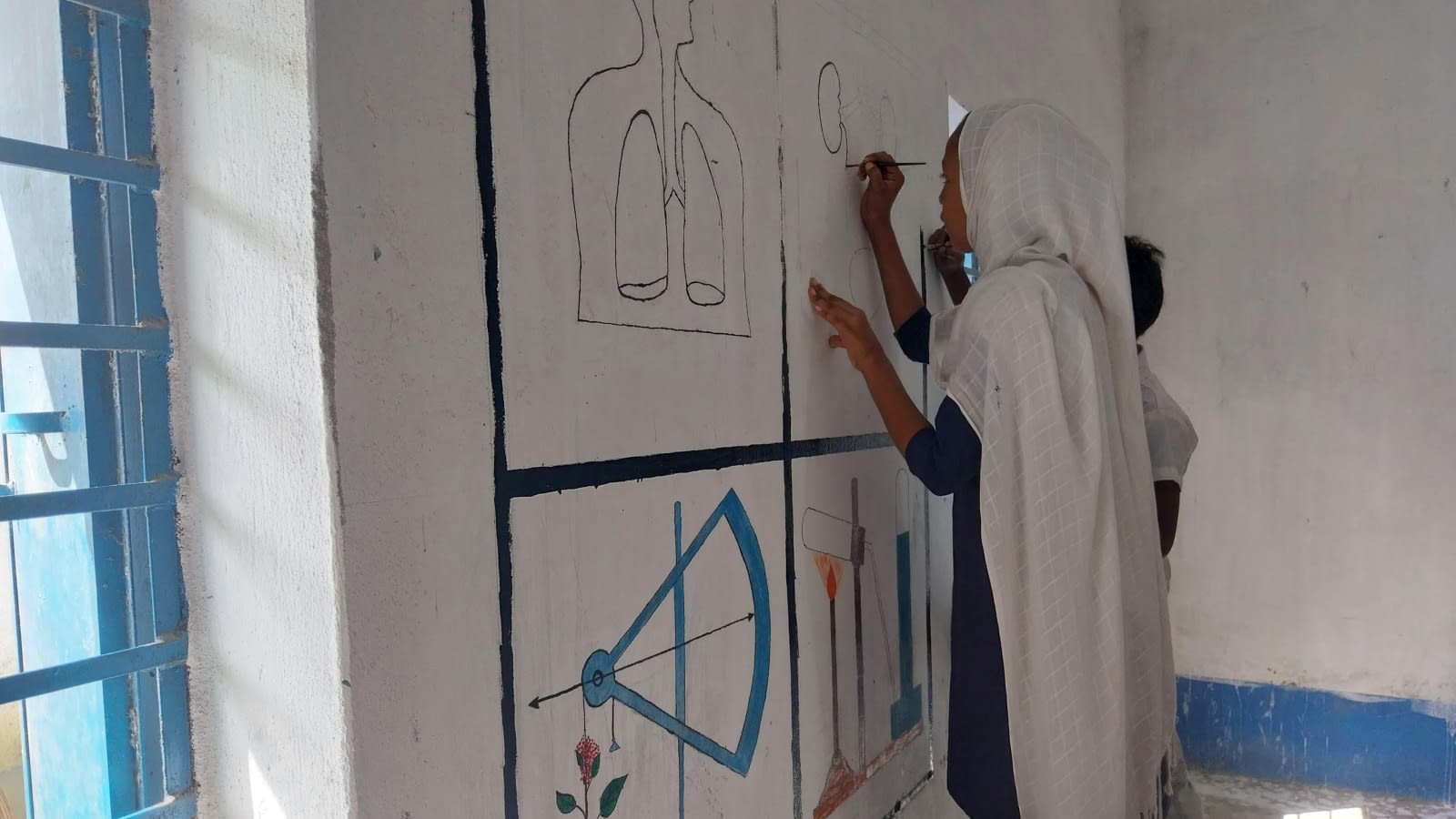
Malda district is transforming 3,000 government schools into interactive learning environments through the 'Walls to Canvas' initiative. By painting educational concepts directly onto school infrastructure, the project leverages the BaLA model to foster experiential learning.
Transforming Education Through Art in Malda
The Malda district administration has launched an ambitious initiative titled 'Walls to Canvas,' aimed at reimagining the educational landscape of nearly 3,000 government schools. By turning mundane corridors, staircases, and classroom walls into vibrant, educational canvases, the district is moving beyond traditional blackboard-centric teaching. This project, which gained significant momentum starting in August, encourages elementary students to actively participate in the artistic process, transforming their school environment into a living, breathing textbook.
The Pedagogical Foundation: Building as Learning Aid (BaLA)
At the core of this transformation is the 'Building as Learning Aid' (BaLA) concept. This pedagogical approach posits that the physical environment of a school is not merely a container for learning but a vital educational tool in itself. By integrating academic concepts—such as alphabets, mathematical formulas, geographical maps, and the intricacies of the solar system—directly into the architecture of the school, the initiative ensures that learning is pervasive and constant. Students are exposed to these concepts during their daily transitions between classes and play, reinforcing knowledge through incidental visual contact.
Empowering Students Through Creative Participation
Unlike conventional school beautification projects that rely on external contractors, the 'Walls to Canvas' initiative actively involves the students. By picking up brushes and colors themselves, children are not just passive observers of the art but co-creators of their learning environment. This sense of ownership is crucial in a government school setting, as it fosters a stronger emotional connection to the campus, potentially boosting attendance and engagement. It shifts the perception of the school building from a static government structure to a dynamic space that reflects the creativity and effort of its pupils.
Scaling Innovation Across the District
Scaling an initiative to cover 3,000 schools is a significant administrative feat. By standardizing educational visual aids while allowing for local artistic expression, the Malda administration is setting a precedent for how district-level governance can improve educational quality with relatively low-cost, high-impact interventions. This model demonstrates that systemic improvements in elementary education do not always require massive capital expenditure in high-tech infrastructure; rather, they can be achieved through creative utilization of existing assets.
Future Implications and Educational Trends
As the 'Walls to Canvas' project matures, it positions Malda as a model for other districts across India looking to revitalize government school infrastructure. The long-term success of this initiative will likely be measured by improved retention rates and better conceptual grasp among students. Looking ahead, this trend of 'learning-integrated architecture' could become a standard feature in national educational policy, as policymakers increasingly recognize that the physical environment significantly impacts cognitive development and student well-being.
Conclusion
The transformation of Malda’s schools serves as a powerful reminder that education is not limited to the pages of a book. By embedding knowledge into the very walls of the school, the administration has successfully turned the campus into an immersive learning ecosystem. This initiative not only enhances the aesthetic appeal of the schools but also reinforces the importance of experiential and visual learning in the formative years of childhood.