Malshej Ghat in Maharashtra closed indefinitely after highway damage; check diversions
Source Entity
Sushant Kulkarni
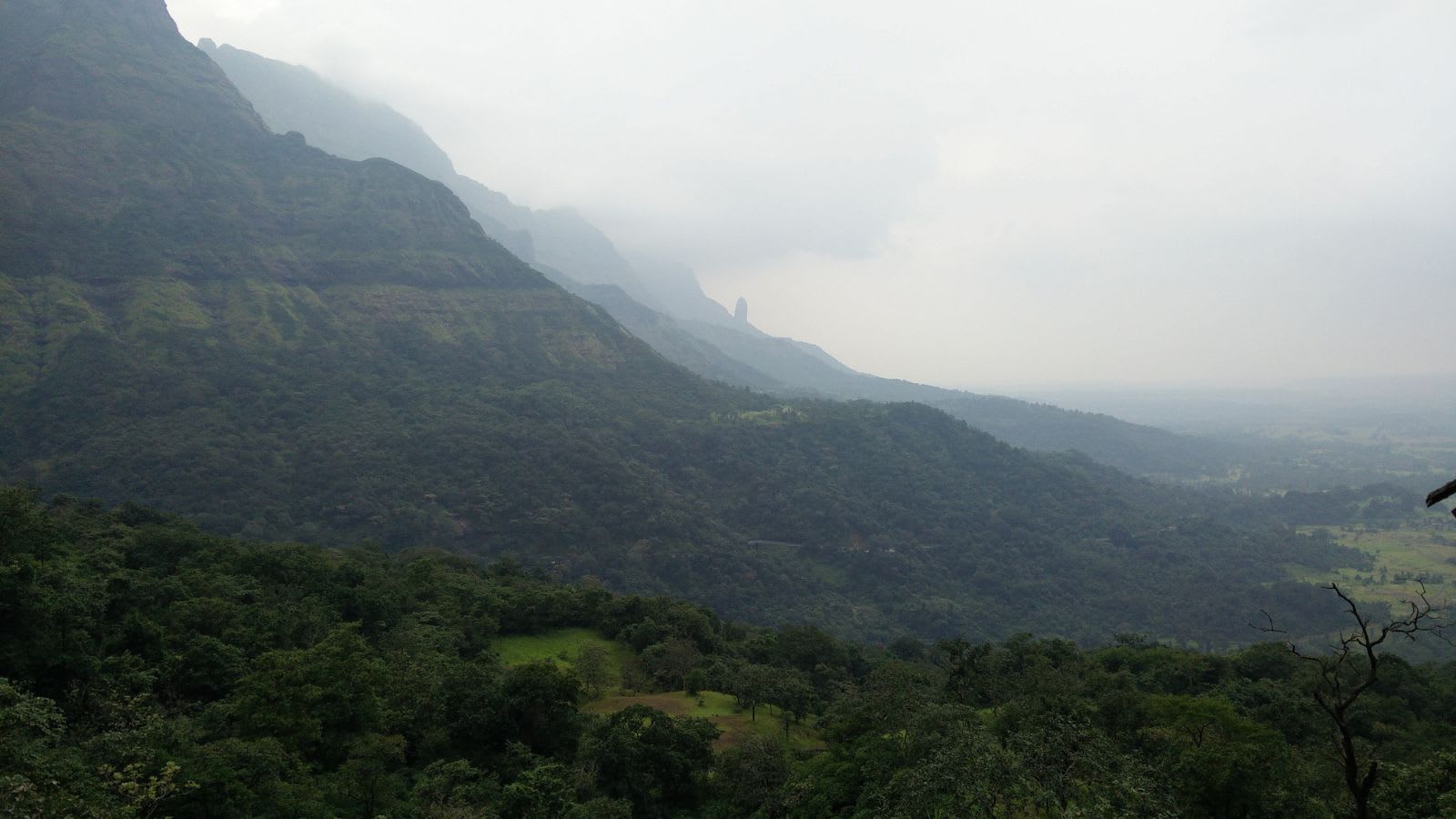
Malshej Ghat on National Highway 61 has been closed indefinitely due to severe road subsidence caused by heavy monsoon rains. Authorities have implemented traffic diversions to ensure public safety while the NHAI assesses the risk of a potential collapse.
Infrastructure Crisis at Malshej Ghat
The indefinite closure of Malshej Ghat, a vital transit corridor in Maharashtra, marks a significant disruption to regional connectivity. The decision to halt all vehicular traffic on National Highway 61 (NH-61) near Junnar comes after a newly concretised section of the road experienced severe subsidence. This structural failure, occurring during the peak of the monsoon season, highlights the persistent challenges of maintaining heavy-duty infrastructure in the volatile topographical conditions of the Western Ghats.
The Mechanics of the Subsidence
Geological instability is a recurring theme in the mountainous regions of Maharashtra, where heavy rainfall often saturates soil, leading to landslips and road degradation. The fact that the damaged stretch was recently concretised suggests that surface-level repairs may have been insufficient to address underlying soil erosion or drainage issues. When heavy rains persist, water infiltration beneath the road foundation can lead to a loss of structural integrity, manifesting as the subsidence currently observed by the National Highways Authority (NHAI).
Public Safety and NHAI Intervention
The directive from the NHAI to the Highway Traffic Police underscores the severity of the situation. By identifying that continued movement could endanger lives and property, authorities have prioritized safety over transit convenience. This proactive approach is essential in preventing potential disasters, especially given the history of landslides and road collapses in the region. The Pune unit of the Highway Traffic Police has since issued formal advisories, mandating that commuters seek alternative routes until a thorough assessment is completed.
Broader Economic and Logistical Implications
NH-61 serves as a critical artery connecting the inland regions of Ahilyanagar with the bustling commercial hub of Kalyan. The closure forces a significant rerouting of heavy freight and passenger vehicles, which will inevitably lead to increased travel times, higher fuel consumption, and logistical bottlenecks for businesses relying on this corridor. As Malshej Ghat is also a premier monsoon tourist destination, the closure will have a localized economic impact on the hospitality and tourism sectors that depend on seasonal visitors.
Future Trends and Resilience Planning
This incident serves as a stark reminder of the need for climate-resilient engineering in India's highway development. As weather patterns become more unpredictable and extreme rainfall events increase in frequency, road construction projects in sensitive ecological zones must incorporate more robust drainage systems and slope stabilization techniques. Moving forward, authorities will likely need to conduct comprehensive geological surveys to determine if the current path of NH-61 requires permanent engineering modifications or if alternative, more stable alignments are necessary to prevent future closures.
Conclusion
While the closure of Malshej Ghat is a major inconvenience for travelers and transporters, it is a necessary measure to prevent catastrophic failure. The focus must now shift to the NHAI’s technical assessment and the implementation of long-term repairs. Citizens are urged to strictly adhere to the traffic diversions provided by the Pune Highway Police and monitor official updates, as the indefinite nature of the closure means that conditions remain fluid and potentially hazardous.