Teaching the future: Why Punjab is putting AI into every classroom
Source Entity
The Indian Express
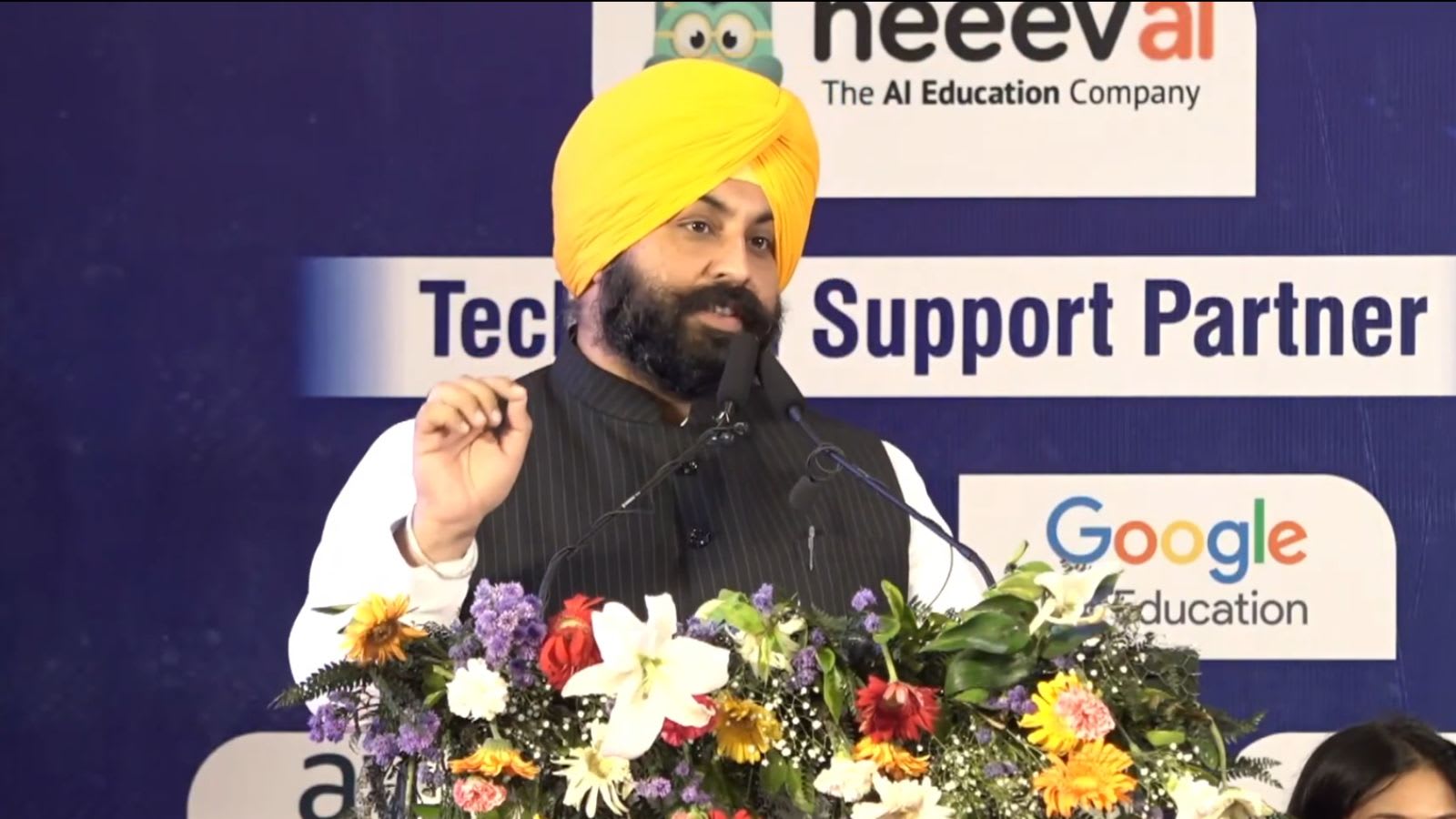
Punjab has become the first Indian state to mandate Artificial Intelligence as a core subject for all students from Class 1 to 12 in government schools. This initiative aims to modernize the curriculum, moving beyond basic computer literacy to prepare students for a technology-driven future.
A Paradigm Shift in Punjab's Educational Landscape
Punjab has officially set a national precedent by integrating Artificial Intelligence (AI) as a mandatory, core subject for all students from Class 1 through Class 12 across all government schools affiliated with the Punjab School Education Board. This policy, championed by Education Minister Harjot Singh Bains, marks a departure from traditional elective-based vocational training, positioning AI instead as a fundamental pillar of the curriculum, equal in status to foundational subjects like Mathematics and Science.
Moving Beyond Legacy Computer Literacy
For years, the standard for 'computer education' in many Indian public schools remained stagnant, often limited to teaching basic software proficiency such as Microsoft Word, PowerPoint, and Paint. As Bains noted, this curriculum was largely identical to what was taught over a decade ago. By transitioning to AI, the state is actively addressing a significant 'skills gap,' ensuring that students are not merely passive consumers of technology but are equipped with the cognitive frameworks necessary to understand and manipulate machine learning and automated systems.
Bridging the Rural-Urban Digital Divide
One of the most ambitious aspects of this policy is its universal application across both urban centers and rural villages. By making AI a mainstream subject in every government school, the Punjab government is attempting to democratize access to high-end technical education. This approach is designed to prevent the emergence of a digital caste system, where only private or urban-educated students possess the technical fluency required for the future global economy.
The Socio-Economic Implications
Integrating AI into the K-12 curriculum is not merely an academic exercise; it is an economic imperative. As the global workforce shifts toward automation and data-driven decision-making, early exposure to AI concepts—such as logic, algorithms, and data ethics—provides students with a competitive advantage. This policy reflects an understanding that the future of work will require a workforce that is comfortable with artificial intelligence as a collaborative tool, regardless of their eventual career path.
Implementation Challenges and Future Trends
While the mandate is groundbreaking, the success of this initiative will hinge on the quality of teacher training and the availability of technical infrastructure in remote areas. As Punjab moves forward, it will likely serve as a case study for other Indian states navigating the complexities of educational reform. If successful, this model could trigger a nationwide shift, compelling other states to re-evaluate their own outdated computer literacy programs in favor of future-ready AI curricula.