Man Arrested Over Social Media Post On 'Fish Deaths' In Yamuna In Delhi
Source Entity
NDTV News Search Records Found 1000
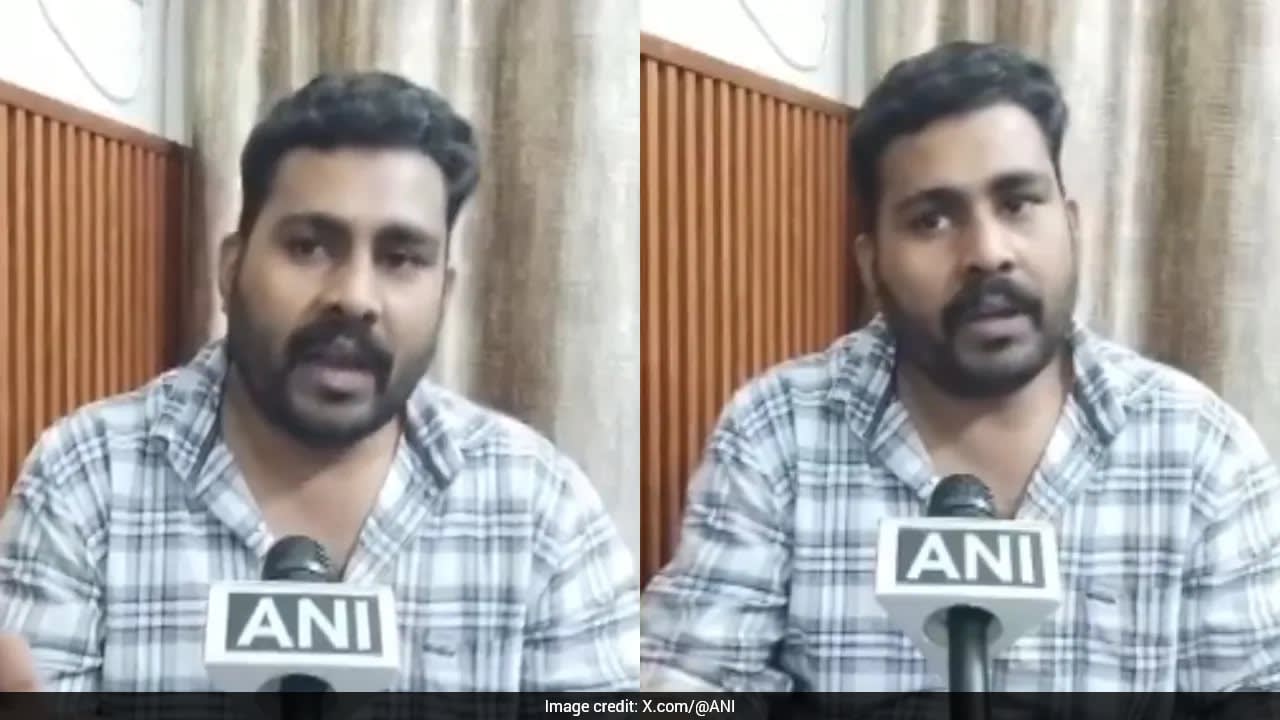
Delhi Police have arrested an individual following a political dispute over viral videos of dead fish in the Yamuna River. Simultaneously, Union Minister Bhupender Yadav has called for coordinated, inter-state action to tackle the broader environmental crisis in the NCR.
The Yamuna Crisis: Legal Action and Political Fallout
The recent arrest of an individual named Surender from Delhi’s Gopalpur area marks a significant escalation in the ongoing controversy surrounding the health of the Yamuna River. The arrest follows the circulation of social media videos depicting dead fish floating near Sonia Vihar, an incident that has become a flashpoint for intense political friction between the Aam Aadmi Party (AAP) and the BJP-led central government.
Legal Implications and Public Order
Following a formal complaint by the Delhi government’s Irrigation and Flood Control (I&FC) Department, the Delhi Police have registered an FIR at the Wazirabad police station. The charges invoked—under sections 353, 352, and 240 of the Bharatiya Nyaya Sanhita (BNS)—suggest that authorities are treating the dissemination of these videos as a matter of public mischief and the potential spread of false information. This legal maneuver highlights the tension between freedom of expression on social media and the government's mandate to maintain public order during environmental crises.
The Intersection of Ecology and Governance
While the cause of the fish deaths remains officially unestablished, the incident has highlighted the fragile state of the Yamuna’s ecosystem. The river has long been a subject of debate regarding pollution levels and urban management. The fact that the I&FC department sought legal recourse suggests a strategy focused on controlling the narrative surrounding environmental degradation, even as the biological health of the river remains a critical concern for local residents.
A Broader Environmental Mandate
This incident does not exist in a vacuum; it coincides with a wider push from the Union Ministry of Environment, Forest and Climate Change. Union Minister Bhupender Yadav recently emphasized that environmental hazards, such as air pollution, do not recognize state boundaries. His call for coordinated enforcement across the National Capital Region (NCR) reflects an urgent need for a unified approach to the systemic ecological challenges facing Delhi and its neighboring states.
Moving Toward Accountability
Minister Yadav’s directive for real-time monitoring through Integrated Command and Control Centres (ICCCs) and the demand for direct accountability of field officers underscore a shift in policy. There is a clear move away from theoretical planning toward rigorous, time-bound enforcement. By calling for secretary-level officials to oversee pollution mitigation in key cities, the central government is attempting to centralize the responsibility that has historically been fragmented across state lines.
Future Outlook
The convergence of these events—the legal crackdown on social media content regarding the Yamuna and the centralized push for pollution control—indicates a tightening of government oversight. As the NCR continues to struggle with severe environmental degradation, the ability of state and central agencies to synchronize their efforts will be the defining factor in future ecological outcomes. Transparency, balanced with strict regulatory enforcement, will remain the central challenge for authorities in the coming months.
Verification Required?