40 years begging, Rs 8.4 lakh in sacks: Karnataka woman leaves family stunned after death
Source Entity
The Indian Express
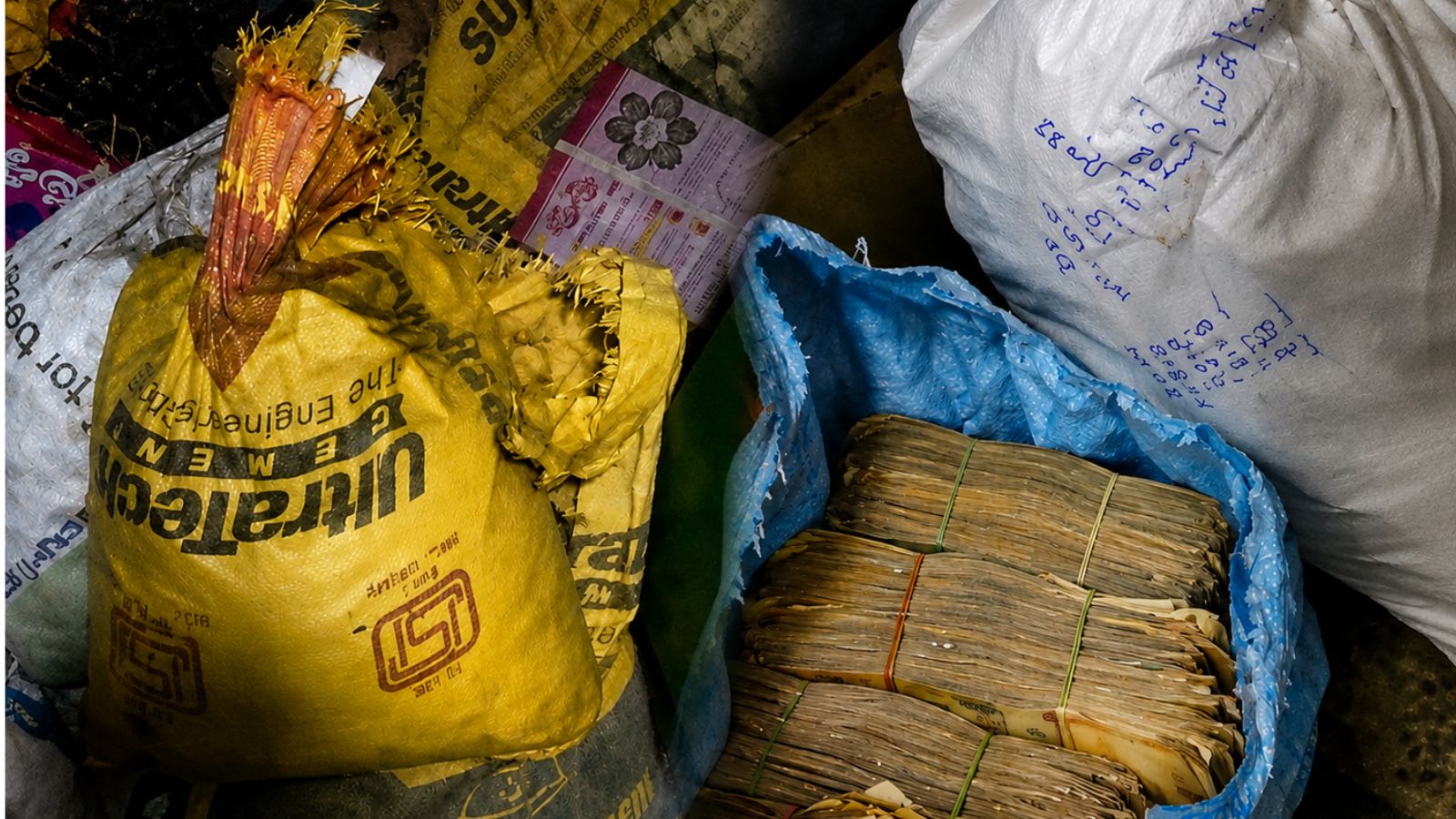
A 70-year-old woman in Karnataka, known as Noorunnisa or Hoor, was found to have amassed Rs 8.4 lakh in savings through decades of begging. The discovery of the cash in sacks within her rented home has stunned her local community and family.
The Hidden Life of Noorunnisa: A Mandya Mystery
In a startling revelation that has captured public attention in Karnataka, the passing of a 70-year-old woman known locally as Noorunnisa—or simply Hoor—has unveiled a life defined by extreme contradictions. For over four decades, she was a familiar face at traffic junctions in Mandya, surviving through the act of begging. To the outside world, she appeared to be a figure of destitution, yet her death revealed a secret hoard of Rs 8.4 lakh in cash, stored away in sacks and hidden within her rented home.
The Discovery Behind Closed Doors
The discovery occurred after neighbors, concerned by her prolonged absence, alerted her relatives. Upon entering the home she shared with her sister, family members discovered the woman had passed away due to age-related illness. What followed was a scene of disbelief: the home contained more than 30 sacks—some reports noting 10—filled with a chaotic mixture of currency notes and coins. The sheer volume of the hoard, consisting largely of low-denomination Rs 10 and Rs 20 notes, highlights the grueling, incremental nature of the wealth she accumulated over 40 years.
Societal Perceptions vs. Reality
The public image of Noorunnisa was that of a vulnerable individual struggling with long-term mental illness. This perception often leads society to view such individuals solely through the lens of charity and pity. However, the discovery of Rs 8.4 lakh challenges conventional narratives regarding the lives of the homeless and the marginalized. It raises profound questions about the psychological drivers that lead individuals in such precarious circumstances to hoard cash rather than utilizing it for improved living standards.
The Mechanics of Marginalized Savings
Economically, the case provides a rare look at the 'unbanked' economy. By choosing to store her earnings in physical sacks rather than formal financial institutions, Noorunnisa remained outside the reach of the banking system. While this helped keep her secret hidden for decades, it also meant her wealth was subject to the risks of damage and theft. The manual counting process, documented in videos by local residents, serves as a poignant reminder of the labor-intensive nature of her survival strategy.
Broader Implications and Future Trends
This incident forces a broader conversation regarding mental health, social safety nets, and the support systems available for the elderly in India. While this case is unique in the magnitude of the hoarded cash, it mirrors a recurring trend where the hidden lives of the impoverished are only brought to light upon their death. As communities look to reconcile the image of a beggar with that of a saver of significant wealth, it underscores the need for better social outreach that identifies and assists those suffering from mental health crises before they reach such tragic, isolated ends.
Conclusion
The story of Noorunnisa in Mandya is more than a local curiosity; it is a complex narrative of human resilience, mental health, and the unseen struggles of the urban poor. While the Rs 8.4 lakh serves as a shocking footnote to her life, the true focus remains on the four decades of isolation she endured. As the community deals with the aftermath, the event remains a stark reminder of the complexities inherent in the lives of those living on the fringes of society.