Why IAF still needs Sukhoi in the age of Tejas and Rafale
Source Entity
AYUSH PANDEY
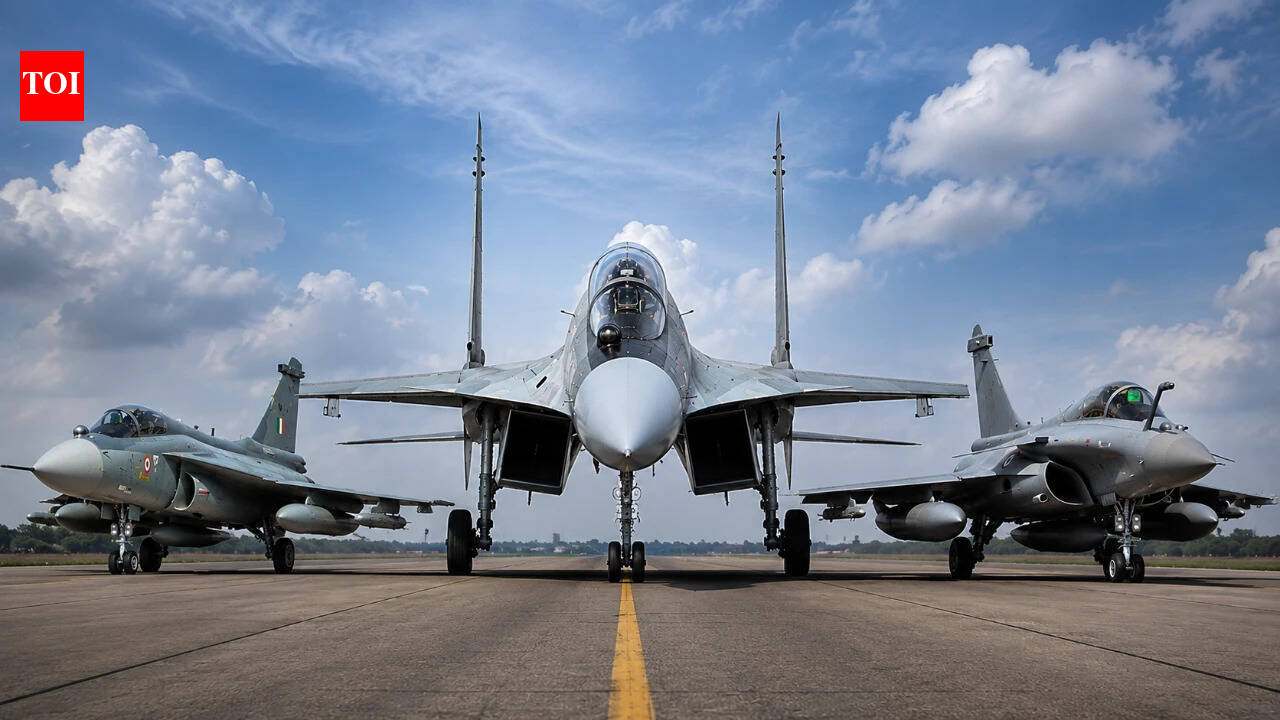
The Su-30MKI remains the backbone of the Indian Air Force, providing unique long-range and heavy-payload capabilities that complement the newer Tejas and Rafale jets. Ongoing modernization programs, such as the 'Super Sukhoi' initiative, are designed to ensure its strategic relevance alongside future indigenous platforms.
The Enduring Strategic Role of the Su-30MKI
The Indian Air Force (IAF) is currently navigating a complex period of transition, balancing the induction of modern platforms like the Rafale and the indigenous Tejas with the operational necessity of maintaining a robust heavy-fighter fleet. At the heart of this strategy sits the Su-30MKI, which continues to function as the backbone of India's air superiority and long-range strike capabilities. Far from being rendered obsolete by newer technologies, the Sukhoi provides a unique heavy-lift and deep-penetration capacity that defines the current architecture of Indian national defense.
Complementary Roles: Sukhoi, Rafale, and Tejas
It is a common misconception to view these aircraft as direct rivals; in reality, they serve distinct, non-overlapping roles. The Tejas serves as a lightweight, agile platform for tactical air defense and close air support, while the Rafale brings advanced omnirole capabilities, including sophisticated electronic warfare and precision strike suites. The Su-30MKI, by contrast, provides the sheer weight, payload capacity, and operational range required for long-endurance missions. Comparing them is akin to comparing different tools in a kit—each is essential for a holistic defense posture.
The 'Super Sukhoi' Modernization Program
To bridge the gap until the full operational capability of the Advanced Medium Combat Aircraft (AMCA), the IAF has initiated the 'Super Sukhoi' upgrade program. This initiative is critical to maintaining fleet relevance, focusing on the integration of next-generation sensors, advanced avionics, and improved networked combat capabilities. By refining the Su-30MKI’s internal architecture, the IAF ensures that its heavy fleet can operate effectively in a modern, digitised battlespace where data-sharing and situational awareness are as vital as physical speed.
The Strategic Value of the BrahMos Integration
The Su-30MKI’s partnership with the BrahMos supersonic cruise missile remains one of its most potent strategic assets. This integration allows the IAF to project power across vast distances, effectively acting as a deterrent against maritime and land-based threats. This specific capability ensures that the Sukhoi remains an indispensable platform, as no other current aircraft in the Indian inventory can deliver such heavy, high-speed ordnance with the same reach and persistence.
A Bridge to Future Indigenous Power
Ultimately, the ongoing maintenance and upgrade of the Su-30MKI serve as a strategic bridge towards the future of the Indian aerospace industry. By managing this fleet, the IAF gains invaluable experience in systems integration and airframe maintenance that informs the development of domestic platforms like the AMCA. As India moves from a reliance on imported jets to a future of indigenous power, the Sukhoi acts as the foundational pillar, ensuring that national defense numbers remain stable while new technology matures. This balanced approach is the cornerstone of India’s long-term air power strategy.