Weather LIVE Updates: Heavy Rain In Delhi, Waterlogging, Traffic Jams In Many Areas
Source Entity
NDTV News Search Records Found 1000
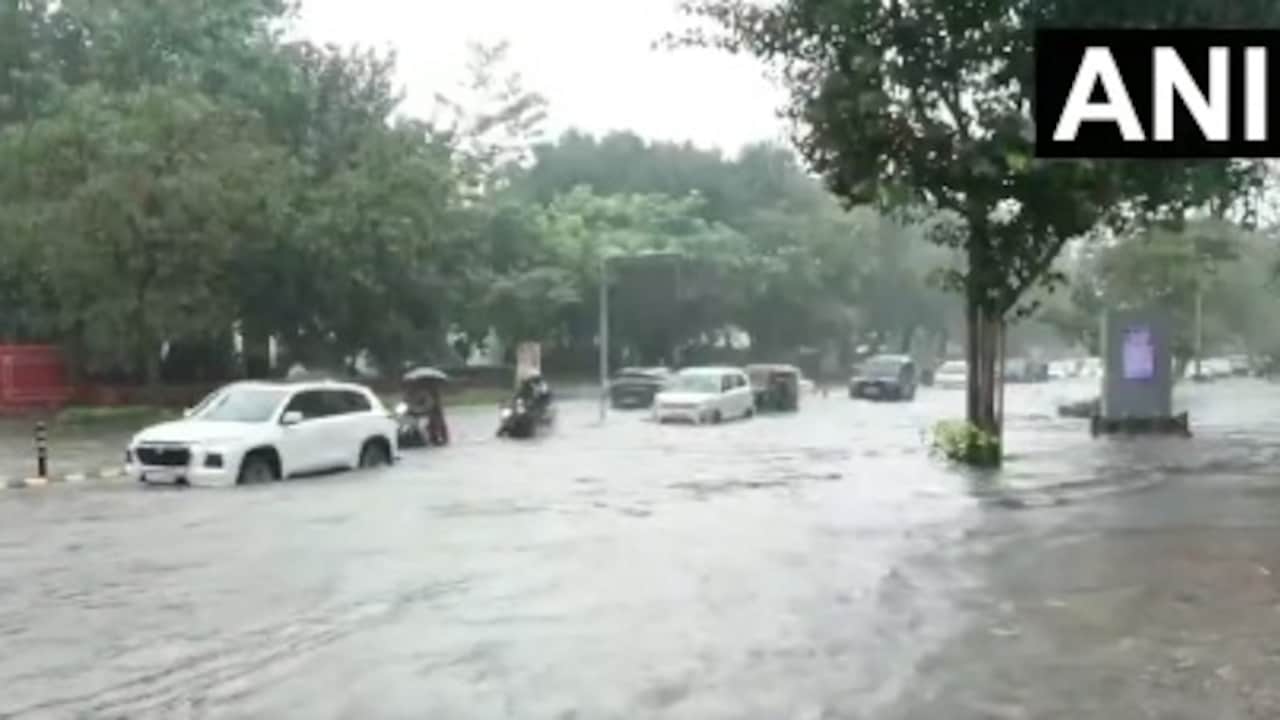
Heavy rainfall in Delhi-NCR has triggered severe waterlogging, leading authorities to mandate work-from-home and remote schooling. The infrastructure failures have sparked public outcry from residents and business leaders over the inadequacy of civic services.
Infrastructure Crisis in Delhi-NCR: A Systemic Failure
The recent deluge across Delhi-NCR has once again brought the region’s urban infrastructure to a grinding halt. Following persistent heavy rains on Monday and Tuesday, the district administration was forced to issue advisories for private offices to adopt work-from-home protocols and for schools to transition to online learning. This reactive measure underscores the recurring nature of the crisis, as residents continue to grapple with the same flooding scenarios that plagued the region only weeks prior.
The Human Cost of Urban Flooding
Beyond the logistical disruptions, the situation has posed significant safety risks. The severity of the downpour—measured at 75 mm between 8 am and 5 pm—resulted in at least 12 school buses becoming stranded near Subhash Chowk. For over two hours, parents and children were forced to navigate knee-deep water, highlighting the dangerous conditions created by inadequate drainage systems. Reports of loose electric wires on poles and in meters near waterlogged areas have further amplified fears regarding public safety during these weather events.
Business Leaders Question Civic Accountability
The frustration is not limited to daily commuters; it has reached the corporate sector. Dr. Shivin Chaudhary, a Gurgaon-based founder, documented the flooding outside his residence, ironically labeling it the "Venice experience." His critique pointed toward a broader sentiment of disenchantment: despite residents and businesses fulfilling their tax obligations, the quality of civic services remains abysmal. He warned that such recurring infrastructure failures could influence entrepreneurs to reconsider their residency in the city, citing the high cost of living versus the poor quality of life.
The Failure of Drainage and Maintenance
As civic agencies scramble to initiate drainage clearing and road restoration, the focus remains on the structural inability of the city to handle seasonal heavy rainfall. The fact that major thoroughfares become impassable after only an hour of rain suggests a fundamental failure in urban planning and maintenance. The cycle of flooding, temporary cleanup, and subsequent breakdown indicates that current interventions are merely stopgap solutions rather than long-term engineering fixes.
Economic and Social Implications
For a region that serves as a primary corporate and financial hub in India, the economic implications of these shutdowns are significant. When businesses are forced to shift to remote work and schools are shuttered due to safety concerns, the productivity of the entire NCR region suffers. This recurring instability threatens the city's reputation as a top-tier destination for investment and innovation, as the "cost of time" lost to traffic snarls and infrastructure failure continues to rise.
Concluding Outlook
In conclusion, the situation in Delhi-NCR is a symptom of rapid, often unplanned urban expansion outstripping municipal capability. Unless there is a strategic shift toward robust, climate-resilient infrastructure, the region risks becoming permanently synonymous with seasonal chaos. The public outcry from residents and business leaders serves as a critical call for accountability and the modernization of urban drainage systems to ensure that the city can withstand the demands of the monsoon season.
Multiple Citing Sources
Verification Required?