Restoration and upkeep in focus: Delhi government to divide 1.3-km-long road stretch at Chandni Chowk into 5 parts
Source Entity
Gayathri Mani
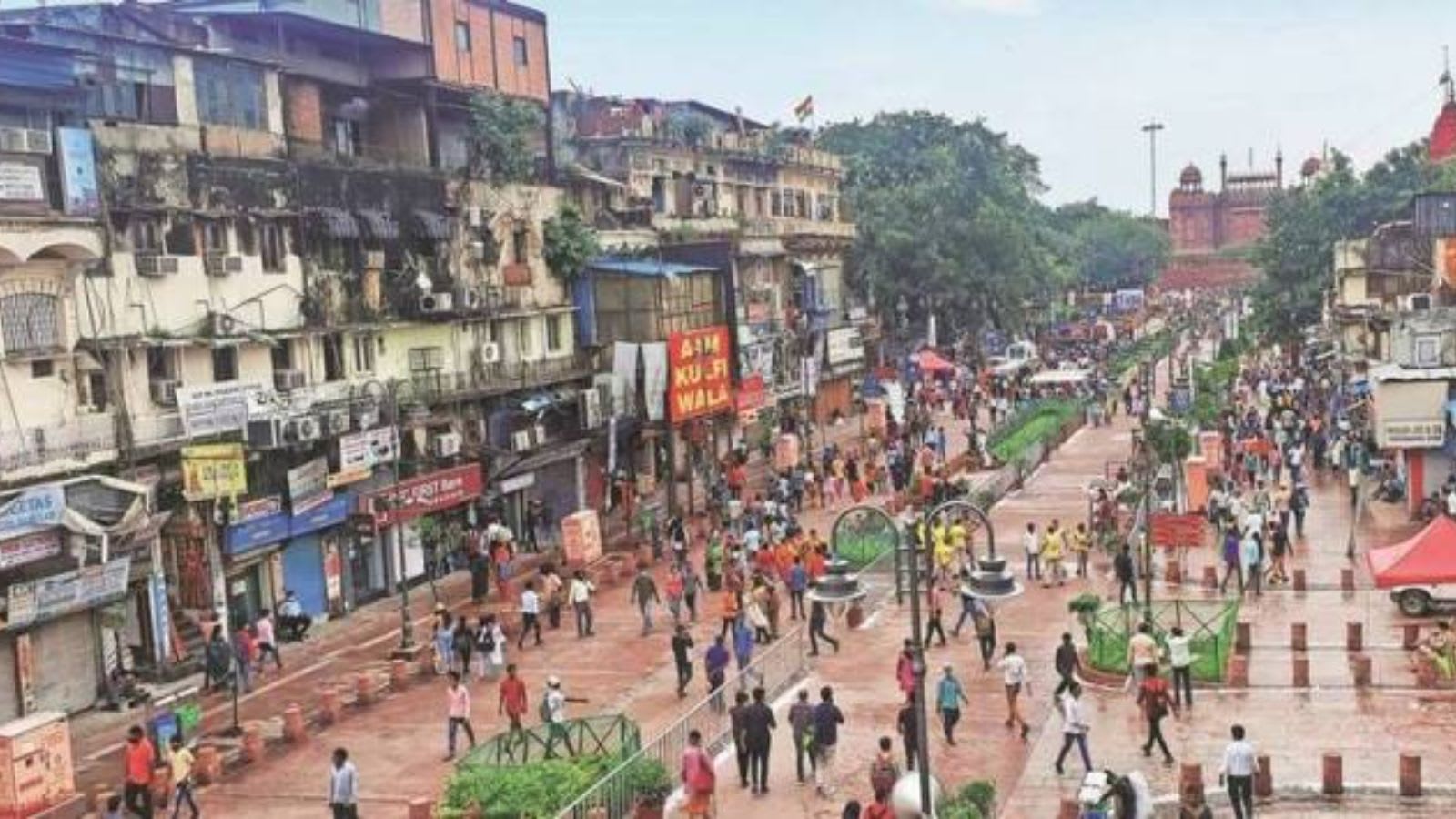
The Delhi government is dividing the 1.3-km Chandni Chowk heritage stretch into five zones to improve maintenance. This strategy aims to resolve administrative hurdles that caused the area's 2021 redevelopment to deteriorate.
Revitalizing Chandni Chowk: A New Strategy for Heritage Preservation
The Delhi government has announced a strategic initiative to divide the 1.3-kilometer stretch between Lal Jain Mandir and Fatehpuri Mosque into five distinct zones. This decision marks a significant shift in the management approach for one of the city's most historic markets, aiming to streamline maintenance operations that have struggled since the area's major redevelopment in 2021.
Addressing the Post-Redevelopment Decline
Following its 2021 facelift, the Chandni Chowk stretch initially enjoyed a period of revitalized aesthetic and pedestrian-friendly infrastructure. However, the grandeur of the project began to fade as the reality of maintaining such a high-traffic heritage site set in. The deterioration was largely attributed to the "multiplicity of departments" overseeing the area, leading to fragmented accountability and a lapse in consistent upkeep.
The Challenge of Multi-Agency Management
Historically, the management of urban infrastructure in Delhi has been complicated by overlapping jurisdictions. The previous administration had outsourced maintenance to a private entity for a three-year term; however, internal friction between the Municipal Corporation of Delhi (MCD) and other government bodies hindered the effective execution of these contracts. By compartmentalizing the road into five smaller, manageable sections, the government hopes to bypass these bureaucratic bottlenecks and ensure clearer oversight.
Scope of the New Maintenance Framework
This new maintenance mandate is comprehensive, covering essential services that are critical to sustaining the market’s functionality. The scope includes daily sanitation, systematic garbage collection, horticulture management, and rigorous drainage upkeep. By focusing on these granular tasks, the government intends to prevent the rapid wear-and-tear that characterized the post-2021 period, ensuring the heritage value of the market is not lost to neglect.
Broader Implications for Urban Heritage
This initiative reflects a broader trend in Indian urban planning, where the focus is shifting from one-time infrastructure projects to sustainable, long-term operations and maintenance (O&M). Chandni Chowk serves as a pilot for how historic urban centers can balance modernization with preservation. If successful, this zone-based model could serve as a template for other heritage corridors in the capital that suffer from similar administrative gridlocks.
Conclusion: A Path Toward Sustainable Upkeep
Ultimately, the success of this project hinges on the government's ability to maintain institutional coordination. By breaking down the 1.3-km stretch into smaller, actionable parts, the authorities are prioritizing accountability. This move is a vital step in preserving the legacy of Chandni Chowk, ensuring that the investments made in its beautification continue to serve the public and maintain the integrity of Delhi's architectural heritage.