Normal life affected in valley districts on second day of strike over NRC demand in Manipur
Source Entity
India Latest News: Top National Headlines Today & Breaking News | The Hindu
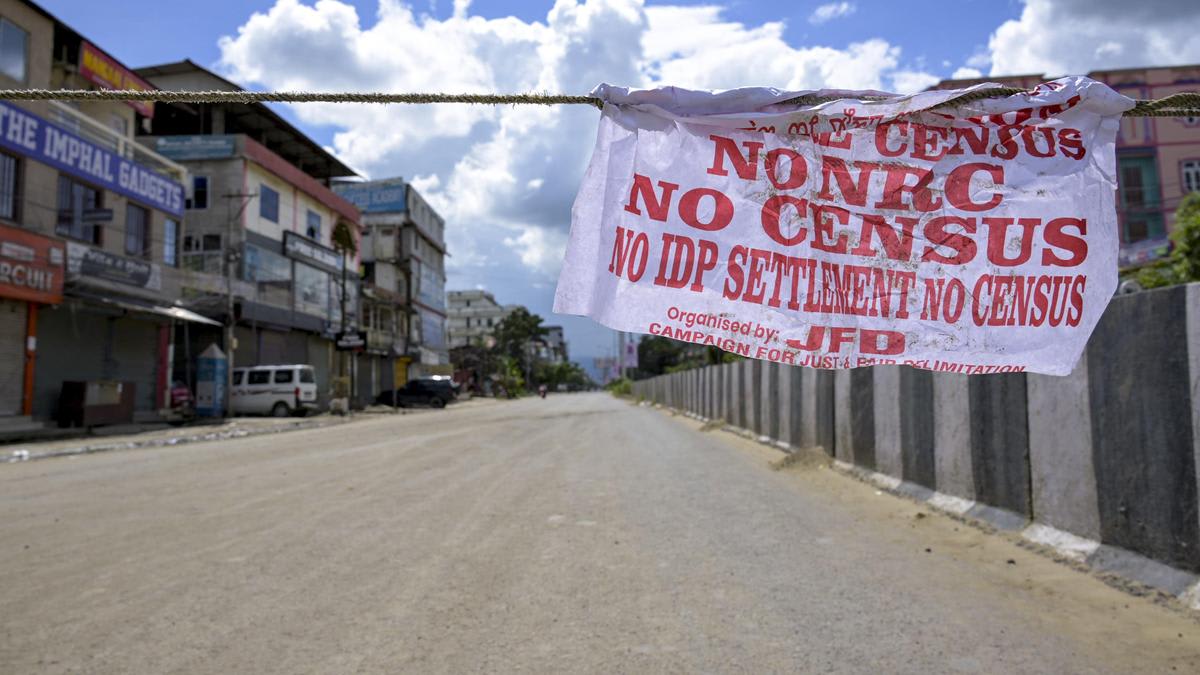
Normal life in Manipur's five valley districts remains disrupted for the second consecutive day due to a 48-hour strike. Protesters are demanding the implementation of the National Register of Citizens (NRC) before the upcoming census.
Manipur Strike: Demand for NRC Implementation Before Census
Normal life across five valley districts in Manipur—Imphal East, Imphal West, Thoubal, Kakching, and Bishnupur—remained significantly affected on Wednesday, August 19, 2026. The disruption marks the second day of a 48-hour statewide strike organized by a students' group. The core grievance driving this protest is the demand for the implementation of the National Register of Citizens (NRC) prior to the commencement of the census process.
Impact on Daily Operations
The impact of the strike has been comprehensive, leading to the widespread closure of markets, business establishments, and educational institutions throughout the affected valley regions. Public transportation services have been entirely suspended, leaving roads largely deserted, save for a limited number of private vehicles. Furthermore, government offices in the districts of Thoubal, Kakching, and Bishnupur reported notably thin attendance, signaling a near-total paralysis of local administrative and public services.
Tactics and Protest Methods
In the districts of Imphal East and Imphal West, strike enforcers actively disrupted movement by erecting physical barriers, including bamboo poles and stone boulders, across key roadways. These blockades have served as a visual and physical manifestation of the protesters' resolve. Demonstrators have utilized the slogan "No NRC, No Census" on posters and banners, framing their demand as a non-negotiable prerequisite for their participation in or acceptance of the upcoming national census exercise.
Broader Socio-Political Context
The insistence on an NRC implementation reflects deep-seated anxieties regarding demographic shifts and identification processes within the state. By linking the census to the NRC, the student organization is pushing for a rigorous verification process to determine citizenship status before any broader demographic data collection takes place. This movement highlights the significant political weight given to citizen registration in the region, where identity-related issues often intersect with broader regional security and social stability concerns.
Future Implications
As the 48-hour strike reaches its conclusion, the situation underscores a growing tension between local civil society groups and the prevailing administrative timeline for the census. If the government does not address the demands for a prior NRC update, it is likely that such protests may intensify, potentially leading to prolonged civil unrest. Future trends suggest that the state government will face increasing pressure to balance national census mandates with the specific, localized demands for documentation and citizenship verification policies currently being championed by student organizations in Manipur.
Multiple Citing Sources
Verification Required?