Manoj Bajpayee on Gajab Raat row: ‘If creative liberty needs to be sacrificed, then so be it’
Source Entity
Jyothi Jha
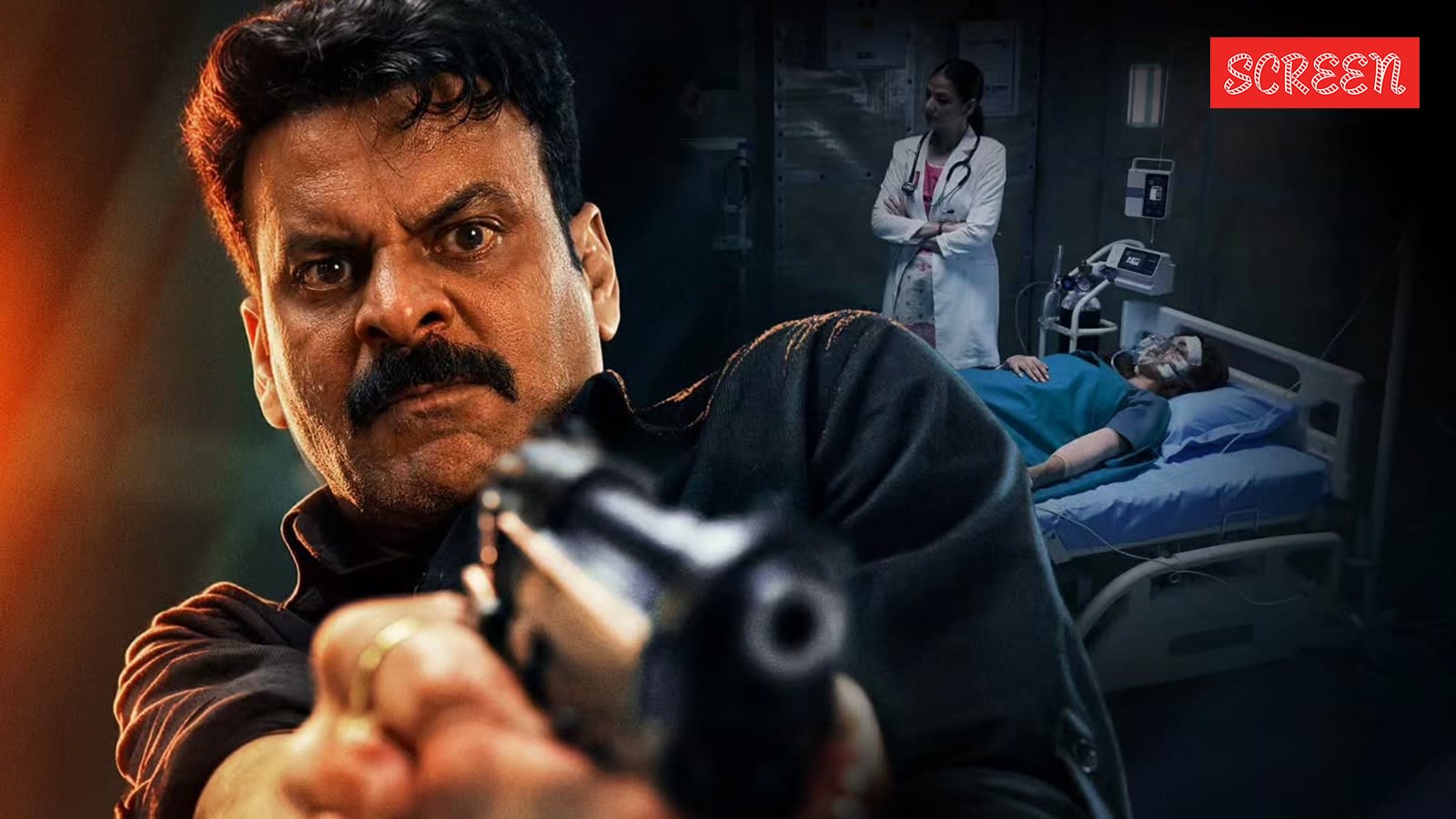
Actor Manoj Bajpayee has defended creative freedom following the controversial title change of his film from 'Ghuskhor Pandit' to 'Gajab Raat' by the CBFC. He emphasizes that while he remains committed to his craft, the current regulatory environment imposes significant limitations on artistic expression.
The Intersection of Creative Expression and Censorship
Manoj Bajpayee, a stalwart of Indian cinema known for his immense versatility, has recently found himself at the center of a discourse regarding the boundaries of creative liberty. Having built a career on portraying complex, morally ambiguous characters—from the tactical operative in The Family Man to the intricate figure of Masterji in The Last Man in Tower—Bajpayee is no stranger to challenging narratives. However, the recent administrative hurdles faced by his project, Gajab Raat, have brought the role of the Central Board of Film Certification (CBFC) into sharp focus.
The Controversy of Nomenclature
The project, which was initially titled Ghuskhor Pandit, underwent a forced rebranding to Gajab Raat following external pressure and regulatory intervention. Such title changes are often indicative of a broader trend in Indian media where sensitive nomenclature triggers immediate backlash, compelling creators to prioritize safety over original artistic intent. This incident highlights the friction between the filmmaker’s vision and the preemptive measures taken by authorities to avoid potential social or religious friction.
Bajpayee’s Philosophy on Craft and Compromise
In a candid interview with SCREEN, Bajpayee articulated a pragmatic, albeit somber, stance on the situation. He suggested that if the current climate dictates that creative liberty must be sacrificed to ensure the project’s survival or release, then that is a concession he is prepared to make. This speaks to a deeper frustration among seasoned actors who strive for authenticity but are frequently forced to navigate a landscape of increasing cultural sensitivity and regulatory scrutiny.
The Broader Implications for Indian Cinema
This incident serves as a microcosm for the challenges facing experimental Indian cinema today. When creators are forced to sanitize their work to satisfy external standards, the risk is a homogenization of storytelling. Bajpayee’s willingness to push into 'experimental territory' is what has historically defined his career, yet the Gajab Raat row underscores that even the most respected performers are not immune to the pressures of the censorious environment.
Looking Toward the Future
As the industry evolves, the tension between artistic freedom and societal expectation remains a defining struggle. The case of Gajab Raat serves as a reminder that the path to creative innovation in India is often paved with compromises. For actors like Bajpayee, the goal remains the delivery of high-quality, complex performances, even if the titles and packaging of their work must bow to the demands of institutional oversight.
Conclusion
Ultimately, Manoj Bajpayee’s defense of his work amidst these challenges highlights the resilience required to survive in the contemporary film industry. While the title change from Ghuskhor Pandit to Gajab Raat may seem like a minor administrative detail to some, it represents a significant concession in the ongoing debate over how much creative freedom is permitted in modern Indian entertainment.