Back after nearly 10 months: on TV, Maria Machado pushes Venezuela towards a 2027 election | watch
Source Entity
Latest News: Todays Latest News Headlines from India & World | Hindustan Times
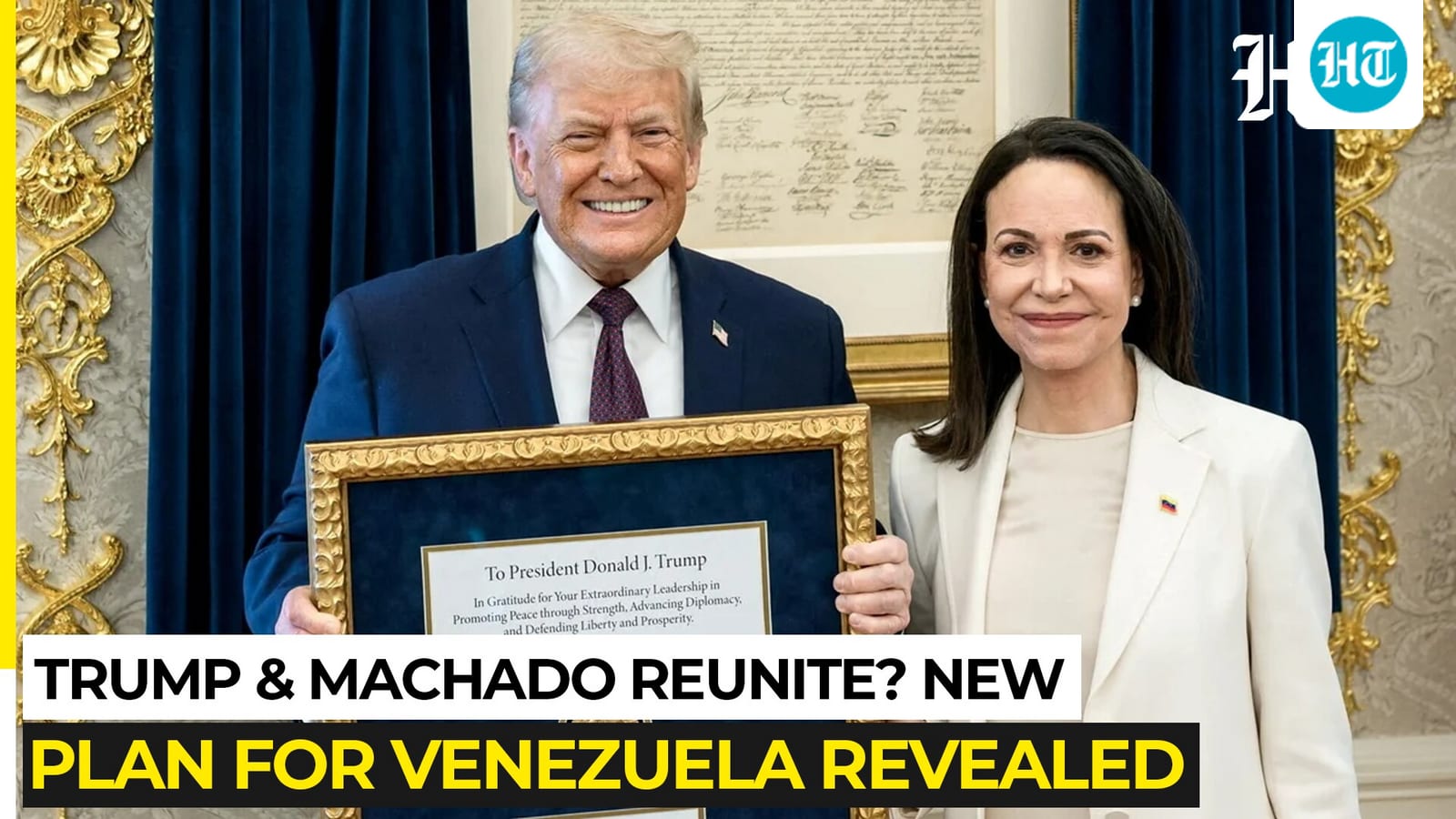
Venezuelan opposition leader Maria Corina Machado has re-emerged to advocate for a 2027 presidential election under a U.S.-backed transition plan. She is demanding structural reforms to the judiciary and electoral bodies while warning against opaque investments that lack legal legitimacy.
The Path to 2027: Maria Corina Machado’s Strategic Re-emergence
After a ten-month hiatus from public view, Venezuelan opposition figurehead Maria Corina Machado has returned to the media spotlight, signaling a renewed push for democratic transition. Her primary focus is the implementation of a three-phase plan purportedly supported by U.S. President Donald Trump, which aims to culminate in a presidential election by 2027. This development marks a significant shift in the opposition's strategy, moving from reactive protests to a structured timeline for institutional change.
Institutional Reform as a Prerequisite
Machado’s platform is rooted in the necessity of systemic reform. She has explicitly called for the appointment of a new Supreme Court and an independent Electoral Council. These demands are not merely procedural; they represent a fundamental critique of the current Venezuelan state apparatus, which many international observers argue has been co-opted to serve executive interests. By demanding these changes, Machado is attempting to establish the necessary infrastructure for a credible, internationally recognized electoral process.
Economic Integrity and the Navep Warning
Beyond electoral mechanics, Machado has addressed the precarious state of the Venezuelan economy, specifically focusing on the intersection of investment and the rule of law. Her vocal criticism of the controversial Navep contract serves as a warning to both domestic and international actors. By highlighting the risks associated with investing in individuals accused of serious wrongdoing, she is framing the struggle for democracy as a prerequisite for economic recovery. She argues that without political legitimacy and legal stability, the nation cannot attract the quality of foreign investment required to rebuild its infrastructure.
The Geopolitical Dimension
The mention of a U.S.-backed three-phase plan underscores the ongoing geopolitical significance of the Venezuelan crisis. Machado’s alignment with this framework suggests a coordinated effort to apply both diplomatic and economic pressure on the current administration. This international backing is intended to provide the opposition with the leverage needed to negotiate a transition, though the effectiveness of such external influence remains a subject of intense debate among regional analysts.
Public Sentiment and Future Trends
Machado’s return serves to amplify the growing public demand for freedom and democratic change that continues to permeate Venezuelan society. Her ability to mobilize public opinion after a significant absence indicates that the underlying dissatisfaction with the status quo remains a potent political force. Looking ahead, the success of the 2027 roadmap will likely depend on the opposition's ability to maintain internal cohesion, navigate the complexities of international sanctions, and compel the current authorities to concede to the proposed institutional changes. If these conditions are not met, the country risks further entrenchment in its current crisis, potentially extending the cycle of political and economic instability for years to come.
Verification Required?