Zuckerberg’s superyacht ignored emergency channel, failed to aid stranded boat
Source Entity
Jeremy Hsu
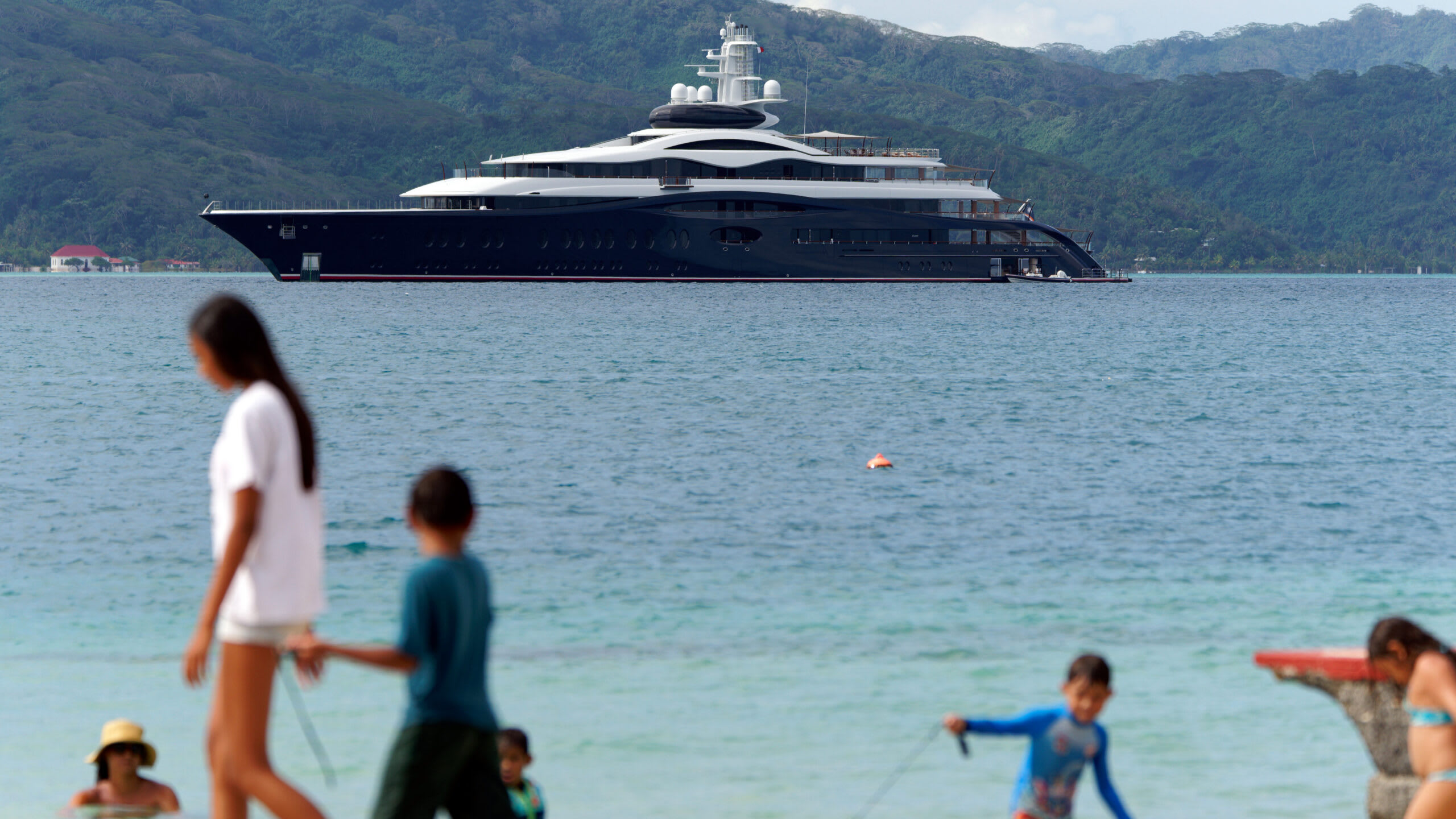
Mark Zuckerberg's $300 million yacht, Launchpad, faced public backlash after allegedly ignoring a distress call from a stranded skiff in Alaska. While the crew claimed radio frequency issues, a nearby cruise ship ultimately performed the rescue, leading to passenger protests.
The Launchpad Controversy: A Breakdown of the Alaskan Incident
Recent reports have brought significant public scrutiny to the Launchpad, a 387-foot superyacht valued at $300 million, currently linked to Meta CEO Mark Zuckerberg. The vessel found itself at the center of a public relations challenge following allegations that it failed to respond to a distress call from a small, stranded skiff near Farragut Bay, Alaska. The incident, which involved a 21-foot boat carrying two women, a child, and a dog, has sparked a broader conversation regarding the responsibilities of private vessel operators in emergency situations.
The Sequence of Events and Alleged Inaction
The situation escalated when the stranded skiff, which had run out of fuel, reportedly reached out for assistance. According to accounts shared on social media by passengers aboard the Wilderness Legacy, a replica steamship, the U.S. Coast Guard had attempted to radio the Launchpad for aid. Despite the superyacht’s proximity to the distressed vessel, it allegedly did not immediately act on the request. This perceived indifference was met with vocal disapproval from the passengers of the Wilderness Legacy once the details of the incident were broadcast by their captain.
Clarifications and Operational Defenses
In response to the growing backlash, spokespeople and crew members associated with the Launchpad have issued clarifications. It was stated that Mark Zuckerberg was not aboard the vessel at the time of the incident, distancing the billionaire from the immediate operational decisions of the crew. Furthermore, representatives indicated that the lack of response was attributed to the yacht being on a different radio frequency, rather than an intentional refusal to assist. They maintained that, despite the initial communication gap, assistance remained a possibility had other options not materialized.
The Role of the Wilderness Legacy
Ultimately, the Wilderness Legacy intervened, detouring from its course to successfully rescue the stranded party and tow the boat back to safety. This act of maritime solidarity highlighted the stark contrast between the actions of the cruise ship and the silence of the Launchpad. The subsequent 'booing' from the cruise ship passengers serves as a powerful indicator of public expectations regarding the 'duty to assist'—a concept deeply embedded in maritime culture, even if legal obligations for private yachts can be complex.
Broader Implications for Private Superyacht Ownership
This incident underscores the rising visibility and scrutiny of ultra-luxury assets. As superyachts become increasingly common among the global elite, their operational conduct is no longer viewed in a vacuum. The public nature of this event, amplified by social media tracking and eye-witness accounts, suggests that those who own such massive vessels will face heightened pressure to act as responsible participants in the maritime community. The incident serves as a reminder that visibility is a double-edged sword for high-profile owners.
Future Trends in Maritime Accountability
Looking forward, this event may influence how private superyacht crews manage communication protocols and emergency preparedness. The integration of ship-tracking data into public discourse ensures that maritime incidents involving high-profile owners will be subject to rapid, real-time verification. As public sentiment continues to favor transparency and communal responsibility, the owners of such vessels may find it necessary to implement stricter communication standards to avoid future reputational damage, regardless of the presence of the owner on board.