Judge approves $47.75m Maui fire settlement, cuts $4.78m in legal fees
Source Entity
TOI WORLD DESK
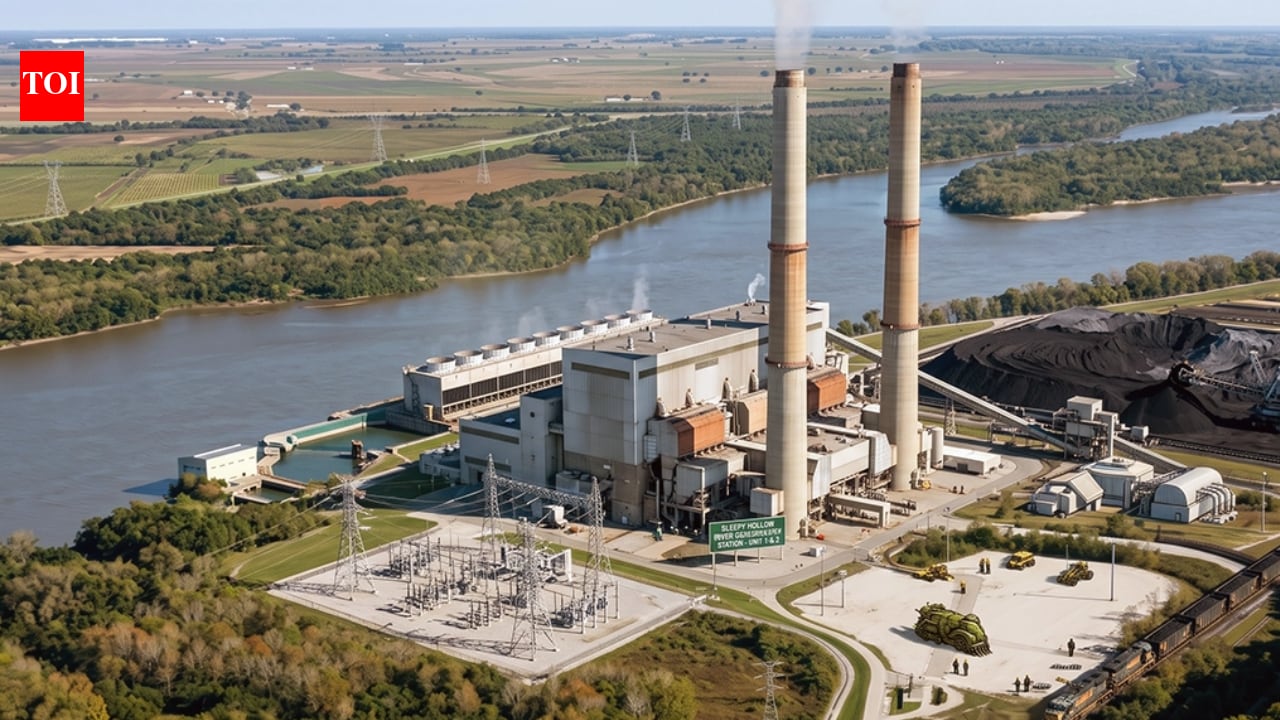
A federal judge has approved a $47.75 million settlement in a securities class action against Hawaiian Electric Industries regarding wildfire disclosure concerns. The court significantly reduced requested legal fees and confirmed that only 24,000 of 67,000 claims met eligibility criteria.
Judicial Oversight in the Hawaiian Electric Securities Settlement
On October 23, a significant milestone was reached in the litigation surrounding the devastating Maui wildfires as a US federal judge approved a $47.75 million settlement against Hawaiian Electric Industries. The case, Bhangal v. Hawaiian Electric Industries, Inc., centered on allegations that the utility company provided misleading disclosures regarding its wildfire preparedness protocols. By sanctioning this settlement, the court has moved to resolve a portion of the complex financial fallout stemming from the catastrophic events that severely impacted the island’s infrastructure and economy.
Scrutiny of Legal Fees and Judicial Discretion
In a notable display of judicial oversight, Judge Jacqueline Scott Corley significantly reduced the legal fees requested by the plaintiffs' attorneys. While the legal team sought a higher compensation, the court slashed these fees by nearly $4.8 million, ultimately awarding $9.55 million. This decision reflects a growing trend in federal courts to ensure that class action settlements prioritize the recovery of the affected investor class over the enrichment of the legal representatives involved, maintaining the integrity of the litigation process.
Complexities in Claims Administration
The administration of this settlement highlights the inherent difficulties in managing large-scale class action cases. Out of more than 67,000 claims submitted, only 24,000 were approved for payment. This high rejection rate—nearly 65%—underscores the rigorous documentation and eligibility requirements placed upon claimants. The court has mandated that the distribution of these funds will follow a loss-based strategy, ensuring that those who suffered the most verifiable financial harm are the primary beneficiaries of the settlement pool.
Broader Implications for Utility Governance
This lawsuit serves as a stark reminder of the heightened expectations for corporate transparency, particularly for utility companies operating in high-risk environments. The accusations of misleading disclosures regarding wildfire preparedness have forced a broader conversation about how these corporations communicate risk to their shareholders. As climate change increases the frequency and severity of natural disasters, companies like Hawaiian Electric face mounting pressure to provide precise, actionable data regarding their infrastructure resilience and emergency mitigation strategies.
Future Trends in Shareholder Litigation
Looking ahead, this settlement may set a precedent for how future climate-related securities litigation is structured and adjudicated. Investors are increasingly using the courts to hold corporations accountable for ESG (Environmental, Social, and Governance) failures. As the legal landscape evolves, companies must anticipate that any gap between their public statements on climate preparedness and the reality of their operational infrastructure will likely invite intensive investor scrutiny and potential litigation. This case emphasizes that the resolution of such disputes will involve not only financial restitution but also a critical re-evaluation of corporate reporting standards.