Address attacks on Hindu temples in the U.S., MEA says
Source Entity
India Latest News: Top National Headlines Today & Breaking News | The Hindu
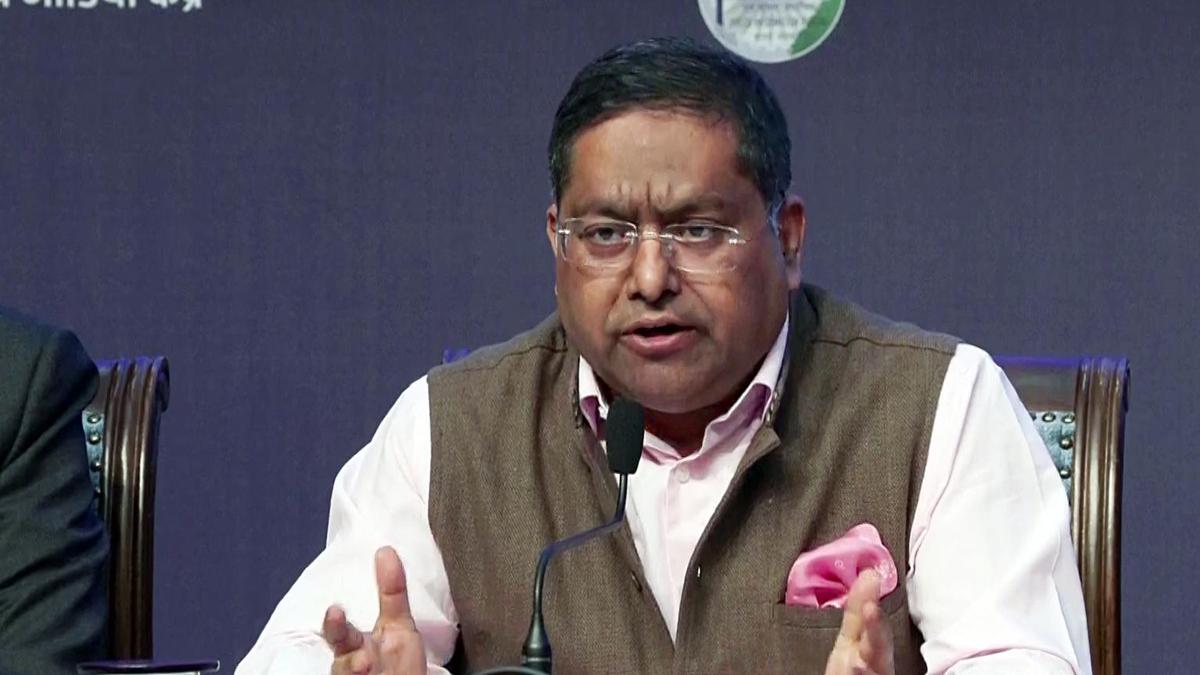
The Indian Ministry of External Affairs has criticized the USCIRF for presenting a biased view of India. The MEA urged the commission to instead address the rising incidents of vandalism against Hindu temples within the United States.
Diplomatic Tension Over Religious Freedom Reporting
The relationship between the Indian government and the U.S. Commission on International Religious Freedom (USCIRF) has reached a new point of contention following the Ministry of External Affairs' (MEA) sharp rebuttal of the commission's latest report. On March 16, 2026, MEA spokesperson Randhir Jaiswal formally rejected the report, characterizing its findings as a 'distorted and selective picture' of India. This exchange highlights a growing trend where international human rights discourse is increasingly becoming a focal point of bilateral diplomatic friction.
The Challenge to Credibility
At the heart of the MEA’s critique is the assertion that the USCIRF relies on 'questionable sources' and 'ideological narratives' rather than verifiable, objective data. By challenging the methodology of the commission, the Indian government is positioning itself to defend its domestic policies against what it perceives as external interference. The MEA argues that such reports lack nuance and fail to account for the complexities of a diverse, democratic nation, suggesting that the commission's persistent focus on negative narratives undermines its own institutional credibility.
Addressing Domestic Security in the U.S.
Simultaneously, the MEA has shifted the spotlight back onto the United States, specifically regarding the safety of the Hindu diaspora. The ministry pointedly called for the USCIRF to investigate the recurring vandalism of Hindu temples across American cities. This demand is reinforced by recent expressions of outrage from U.S. lawmakers regarding a foiled plot to attack a Hindu temple in Illinois. By pivoting the conversation, the MEA is highlighting a perceived double standard, questioning why international monitoring bodies prioritize critiques of India while failing to adequately address hate crimes against Hindus within Western borders.
Broader Geopolitical Implications
This diplomatic spat occurs within the broader context of the India-U.S. strategic partnership. While both nations share significant interests in defense, technology, and economic growth, ideological disagreements regarding social and religious policies frequently test the resilience of the relationship. The use of public forums to trade accusations reflects a shift in how India manages its international image, moving from a passive stance to a more assertive, reactive diplomatic strategy.
Future Trends in Religious Diplomacy
Looking ahead, it is likely that India will continue to challenge international reports that it deems biased, utilizing its growing global influence to demand parity in human rights reporting. The focus on temple vandalism in the U.S. suggests that the Indian government intends to hold its partners accountable for the safety of its diaspora communities. As global powers navigate these sensitive topics, the role of independent commissions will continue to be scrutinized for their perceived neutrality and the potential impact of their findings on international relations.
Conclusion
The standoff between the MEA and the USCIRF underscores the complexities of modern religious diplomacy. While the USCIRF maintains its mandate to monitor global religious freedom, the Indian government's firm rejection signals that these reports will face intense pushback whenever they are perceived as unbalanced. As both sides grapple with these differences, the safety of religious institutions—both in India and the United States—remains a critical and highly sensitive priority for policymakers.
Verification Required?