Mecca pact: Regional fix to hedge against a fickle US
Source Entity
Latest News: Todays Latest News Headlines from India & World | Hindustan Times | Hindustan Times
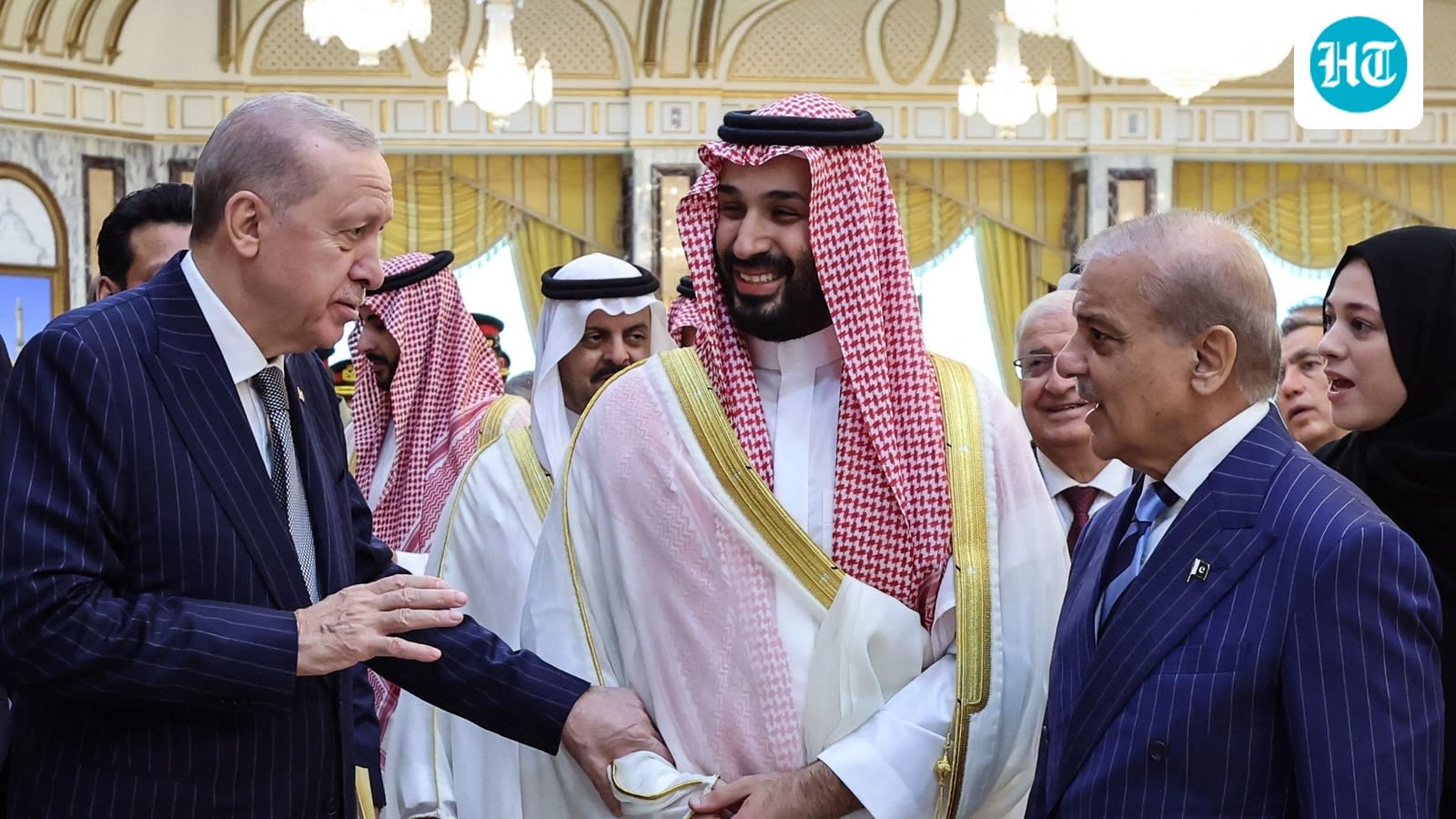
Saudi Arabia, Pakistan, and Turkey have signed a significant joint defense agreement in Mecca to bolster regional security. This pact marks a strategic shift as these nations seek to hedge against perceived instability in their traditional security relationship with the United States.
A New Strategic Alignment: The Mecca Joint Defense Agreement
On August 7, a historic shift in regional security dynamics occurred as Saudi Arabia, Pakistan, and Turkey formalized a joint defense agreement in Mecca. This pact, which mandates that an attack on one signatory is effectively an attack on all three, signifies a major pivot toward regional autonomy. By formalizing this mutual defense commitment, the three nations are proactively creating a security buffer that reduces their singular reliance on Western military guarantees, a structure that has defined regional geopolitics for over a century.
Moving Beyond Western Dependency
For decades, West Asian security architecture has been heavily anchored to the influence of Western powers. The historical weight of this relationship is exemplified by the 1963 statement from the then-Saudi Crown Prince Faisal to US ambassador Parker T. Hart, where he declared that “after Allah, we trust America.” This sentiment underscored a long-standing era of total reliance on Washington. However, the current agreement suggests that this trust is no longer viewed as an absolute, reflecting a growing perception that regional powers must now hedge their security interests against a fickle or inconsistent US commitment.
The Nuance of Diplomatic Balancing
It is essential to note that this move toward regional defense does not represent a complete severance of ties with the West. The complexity of the current geopolitical landscape is highlighted by the fact that Saudi Arabia signed a civilian nuclear pact with Washington as recently as July. This dual-track approach demonstrates a sophisticated diplomatic strategy: Riyadh is maintaining essential technological and economic partnerships with the US while simultaneously building a secondary, regional security framework to ensure resilience against potential shifts in American foreign policy.
Historical Context and Regional Sovereignty
This pact carries immense symbolic weight, particularly given its location in Mecca, the holiest site in Islam. By choosing this venue, the signatories are emphasizing a sense of regional unity and shared destiny that transcends traditional Western-led security mandates. The agreement serves as a direct response to the historical vulnerability of the region, where security was often outsourced to external powers. By internalizing their defense mechanisms, these nations are attempting to reclaim their strategic agency.
Future Implications and Strategic Outlook
Looking forward, the Mecca Joint Defense Agreement is likely to recalibrate the balance of power in the region. If successful, this bloc could deter external threats more effectively by presenting a unified front, thereby reducing the influence of any single external superpower. As the signatories continue to navigate the complexities of international relations, this pact will likely serve as a blueprint for other regional actors who are similarly looking to diversify their security portfolios in an increasingly multipolar world.
Conclusion
The signing of the Mecca Joint Defense Agreement is a watershed moment that reflects the evolving maturity of regional security strategies. By balancing strategic partnerships with the US alongside a robust, localized defense pact, Saudi Arabia, Pakistan, and Turkey are positioning themselves to withstand the uncertainties of the global political climate. This move signifies that the era of unquestioned, singular reliance on external security providers is rapidly giving way to a more pragmatic and self-reliant approach to regional stability.
Verification Required?