Meghalaya Assembly to move resolution against uranium mining
Source Entity
India Latest News: Top National Headlines Today & Breaking News | The Hindu
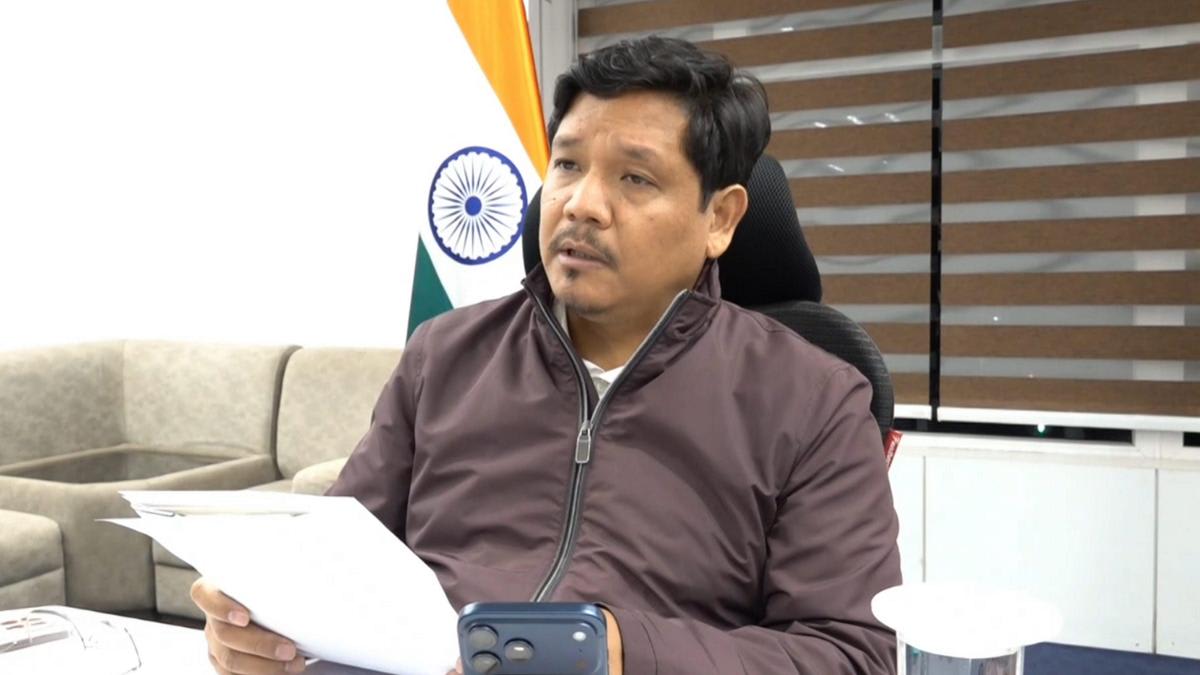
Meghalaya Chief Minister Conrad K. Sangma has announced plans to move an Assembly resolution opposing uranium mining. This decision follows intense pressure from local groups concerned about the potential environmental and health risks of such projects.
Meghalaya’s Stance Against Uranium Extraction
The Government’s Decisive Pivot
In a significant move reflecting the political climate of the North East, Meghalaya Chief Minister Conrad K. Sangma has officially declared that his government will introduce a resolution in the 60-member State Assembly to formally oppose uranium mining. This decision, reached after consultations with National People’s Party (NPP) leaders, represents a direct response to the mounting pressure from civil society organizations and local advocacy groups who fear the long-term ecological and public health consequences of such industrial activities within the state.
The Catalyst: Central Government Statements
The tension escalated following recent remarks by Jitendra Singh, the Union Minister of State for Atomic Energy. His suggestion that the Centre was evaluating the status of uranium mining—coupled with mentions of the proposed Sustainable Harnessing and Advancement of Nuclear Energy for Transforming India Act—sparked immediate alarm. Local stakeholders, most notably the Khasi Students’ Union (KSU), interpreted these statements as a precursor to reviving exploration projects in the South West Khasi Hills district, a region historically sensitive to environmental exploitation.
Lessons from Jaduguda
The fierce opposition in Meghalaya is not rooted in unfounded fear but is instead informed by the documented experiences of other regions. Protesters have frequently cited the case of Jaduguda in Jharkhand as a cautionary tale. The relentless advocacy by local groups in Meghalaya, who have studied the adverse health and environmental impacts observed in Jharkhand, played a pivotal role in the government's previous decision to revoke mining permissions in 2016. This historical precedent continues to serve as the foundational argument for the current anti-mining movement.
Environmental and Public Health Concerns
At the core of the opposition is the perception that uranium mining is inherently "hazardous." Proponents of the resolution argue that the risks associated with radiation, groundwater contamination, and the disruption of fragile ecosystems in the Khasi Hills outweigh the potential economic gains of nuclear energy extraction. By moving this resolution, the state government is attempting to codify its commitment to protecting the state's natural resources and the health of its citizens against external industrial pressures.
Future Implications and Political Dynamics
As the Meghalaya Assembly prepares to debate this resolution, the outcome will likely set a significant precedent for federal-state relations regarding natural resource management. If the resolution passes, it will present a formidable legal and political barrier for the Centre’s ambitions to harness nuclear energy in the region. This development underscores the growing influence of local pressure groups in shaping state policy and highlights the ongoing friction between national energy objectives and regional environmental preservation priorities.
Verification Required?