Mehbooba Mufti writes: In Jammu & Kashmir, a facade of normalcy cannot substitute for peace
Source Entity
Mehbooba Mufti
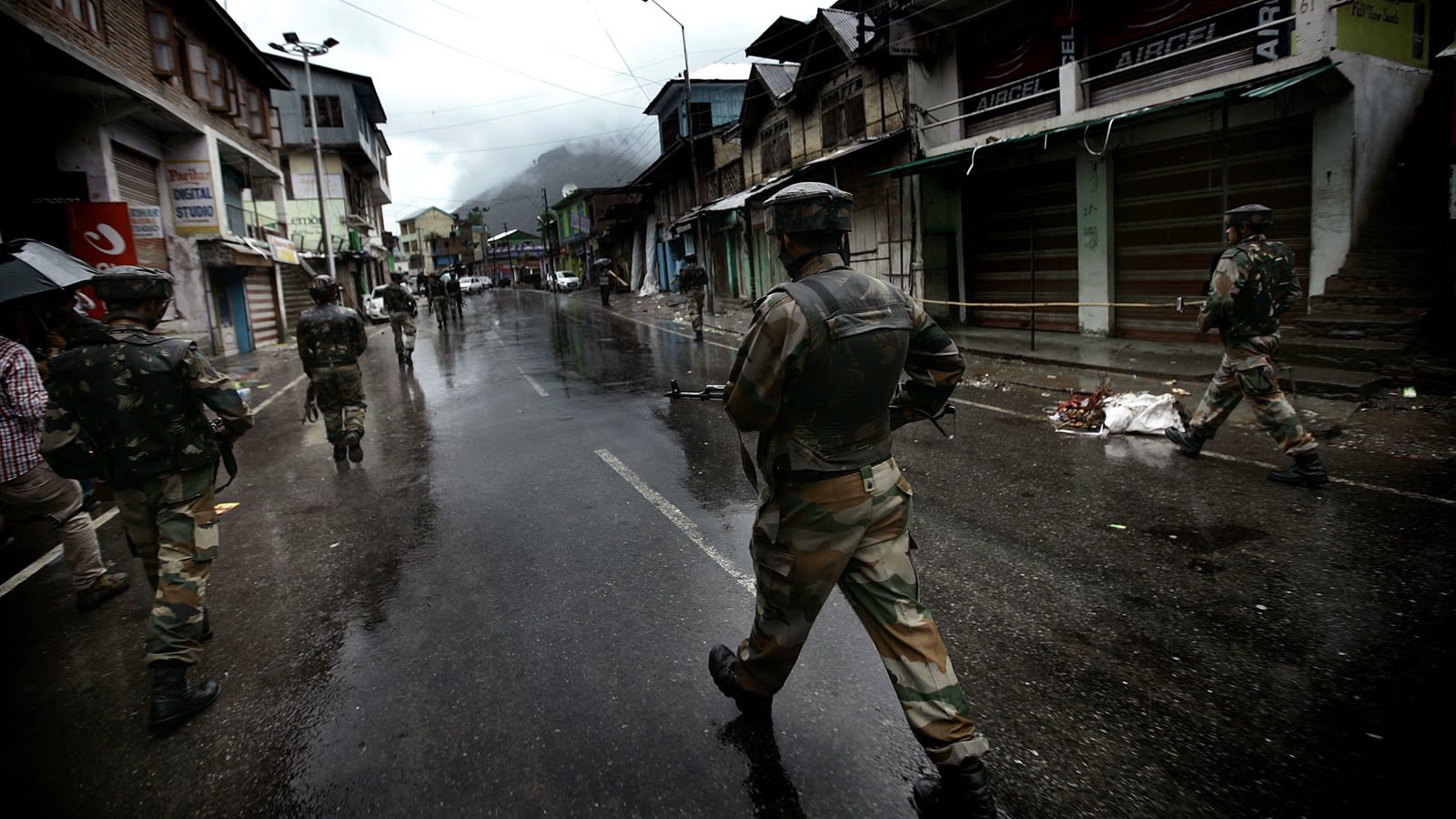
Mehbooba Mufti criticizes the mandatory participation of government employees in 'Tiranga Rallies' in Jammu and Kashmir. She argues this reflects a forced narrative of normalcy following the 2019 abrogation of Article 370.
The Politics of Performative Patriotism in Jammu & Kashmir
Recent developments in Anantnag, Jammu & Kashmir, have sparked a significant political debate following the circulation of an administrative order mandating government employees to participate in a 'Tiranga Rally.' Former Chief Minister Mehbooba Mufti has publicly challenged this directive, framing it not as a genuine expression of national sentiment, but as a coercive instrument of governance. This incident highlights the ongoing tension between administrative mandates and the lived reality of the region’s populace under the current political framework.
The Shadow of 2019: Contextualizing Governance
To understand the significance of this mandate, one must look back to the pivotal events of August 2019, when the Government of India abrogated Article 370, effectively ending the region's special autonomous status and bringing it under direct administrative control. Since that transition, the local administration has prioritized the integration of the region into the national mainstream. Critics, however, argue that this process has been characterized by top-down directives that prioritize state-led displays over organic public engagement.
Coercion vs. Consensus
At the heart of the critique is the question of whether state-sponsored events can ever serve as accurate barometers for public sentiment. When government employees—who are subject to administrative oversight and potential disciplinary action—are compelled to participate in patriotic displays, the distinction between voluntary participation and state-mandated compliance blurs. Mufti’s assertion suggests that these rallies are less about fostering genuine national pride and more about constructing a 'facade of normalcy' intended for both domestic and international observation.
The Impact on Public Discourse
This style of governance, as described by Mufti, has profound implications for the political landscape of Jammu & Kashmir. By institutionalizing these rallies, the administration risks alienating segments of the population who perceive such requirements as an infringement on their personal agency. In a region that has experienced prolonged periods of security-led administration, the imposition of performative requirements may exacerbate existing grievances rather than alleviating them.
Future Trends and Political Stability
Looking ahead, the reliance on such administrative mechanisms for political messaging suggests that the current administration remains focused on maintaining a high degree of control. If the strategy continues to prioritize optics over substantive political reconciliation or the restoration of local democratic processes, the gap between the state’s narrative of 'normalcy' and the public’s experience may continue to widen. This dynamic remains a central friction point in the region's long-term political trajectory.
Conclusion
The controversy surrounding the Anantnag rally serves as a microcosm of the broader administrative challenges in Jammu & Kashmir. While the government views these events as essential for national integration, critics like Mehbooba Mufti highlight the dangers of substituting forced participation for genuine peace. Ultimately, the durability of peace in the region may depend on moving beyond choreographed displays toward a more inclusive and voluntary political environment.