Spanish hotel chain ceases operations in Cuba under pressure from Washington
Source Entity
Agence France-Presse
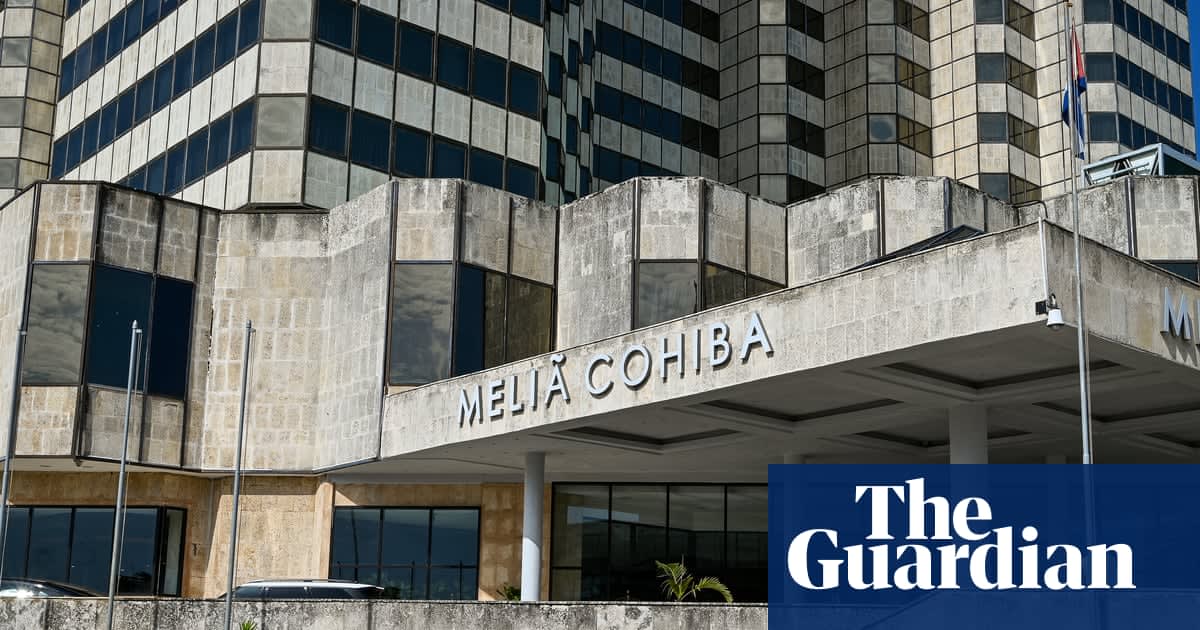
Spanish hotel operator Meliá is withdrawing from Cuba, citing impossible operational conditions due to intensified U.S. sanctions. This move follows a broader trend of foreign companies severing ties with Cuban state-run entities under Washington's pressure.
The Withdrawal of Meliá from Cuba: A Macroeconomic Shift
The decision by the Spanish hotel chain Meliá to cease all operations in Cuba marks a significant turning point in the island's hospitality sector. By announcing that it is no longer viable to maintain even minimal operational stability, the company has highlighted the profound impact that evolving U.S. foreign policy and sanctions have on international business interests operating within Cuba.
The Impact of U.S. Sanctions on Foreign Investment
At the core of this departure is the increasingly restrictive environment created by Washington’s sanctions regime. Meliá, which previously managed a substantial footprint on the island, noted that the current legal and practical reality makes business operations 'impossible, de facto and de jure.' This development serves as a stark reminder of how extraterritorial pressures can force multinational corporations to re-evaluate their risk profiles, often leading to total market exits.
Disentangling from GAESA
A critical component of this trend is the mounting pressure on foreign firms to sever ties with GAESA, the Cuban military-run business conglomerate. As Washington intensifies its focus on the financial lifelines of the Cuban government, companies like Meliá find themselves caught between their commercial interests and the threat of secondary sanctions. By moving to drop 15 hotels initially and now ceasing operations entirely, Meliá joins a growing list of international entities retreating from the island to preserve their global standing.
Operational Challenges and Transition Strategy
Beyond the geopolitical friction, the operational reality for Meliá had become untenable. The company’s statement to the Spanish stock market regulator underscores the difficulty of maintaining service standards when supply chains, financial transactions, and legal protections are compromised by a hostile regulatory environment. The firm has pledged to manage a 'smooth transition,' though the logistics of exiting 34 hotels represent a complex challenge for local staff and existing suppliers.
Broader Implications for the Cuban Hospitality Sector
The loss of a major international operator like Meliá is a significant blow to Cuba’s tourism industry, which relies heavily on foreign expertise to attract international travelers. As major brands depart, the vacuum left behind may lead to a deterioration in infrastructure and service quality. This trend suggests a future where Cuba may become increasingly isolated from Western business capital, potentially forcing a shift toward alternative markets or a prolonged period of economic stagnation within the tourism sector.
Conclusion: The Future of Foreign Business in Cuba
As Washington’s policy continues to squeeze the financial avenues of the Cuban government, the exodus of firms like Meliá highlights the fragility of foreign investment in a politically volatile landscape. The future of Cuba's hospitality sector remains uncertain, as the cost of compliance with U.S. sanctions continues to outweigh the potential benefits of operating on the island. For international companies, the lesson is clear: navigating the intersection of Cuban state business and U.S. sanctions has reached a breaking point.