As Melinda French Gates invests $215 million, she makes a request on women's health
Source Entity
TOI TECH DESK
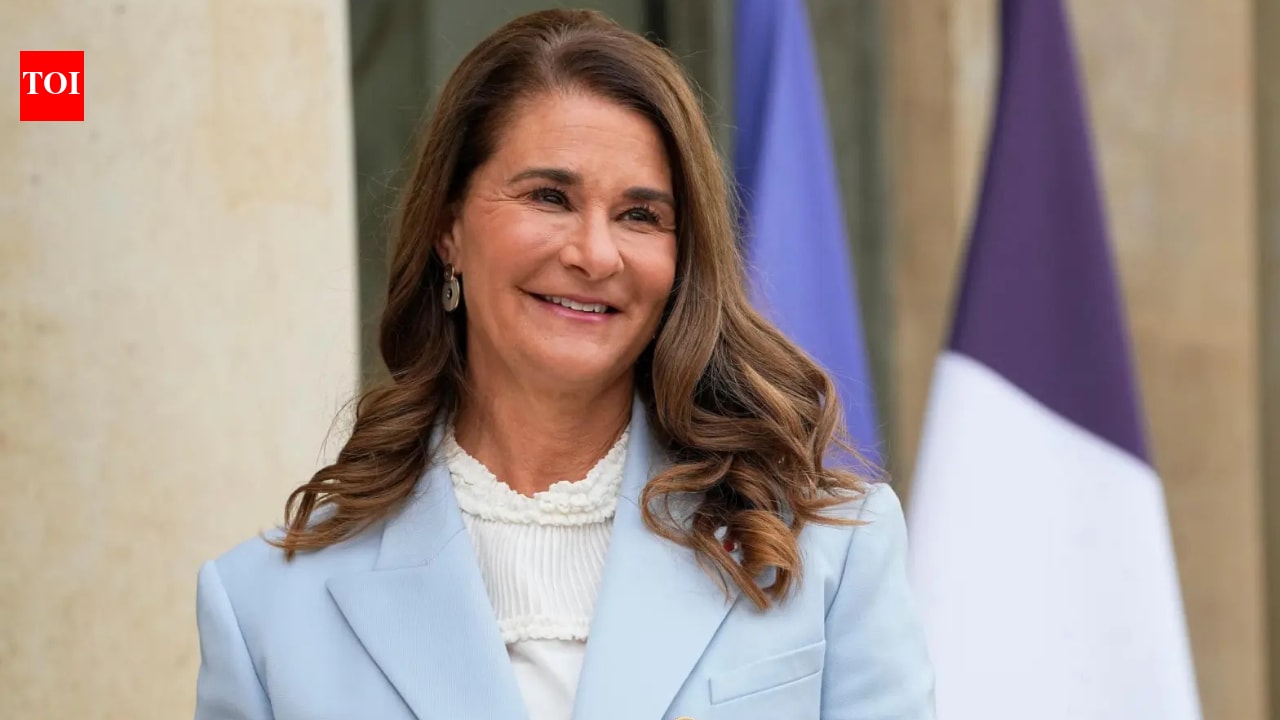
Melinda French Gates has pledged $215 million to advance women's health, focusing on research, menopause, and reproductive care. She is urging global policymakers to increase public funding to address systemic gaps in healthcare infrastructure.
A Landmark Investment in Women's Health
Melinda French Gates has recently underscored her commitment to global health equity by announcing a substantial $215 million investment dedicated to women's healthcare. This strategic capital allocation is designed to address deep-seated systemic inequities that have historically left women’s medical needs underserved. By targeting research gaps and healthcare accessibility, French Gates is signaling a shift toward more specialized, gender-responsive medical interventions.
Addressing the Menopause and Research Gap
A critical component of this initiative is the focus on menopause, a physiological transition that has long been sidelined in medical research and public policy. French Gates highlights that the current lack of focused research on menopause is not merely a biological oversight but a significant barrier to women's professional longevity and general quality of life. By elevating this issue, the funding aims to normalize the conversation around women’s health transitions and demand clinical rigor in fields that have traditionally been neglected.
The Urgency of Reproductive Health
Beyond specialized life stages like menopause, the funding reinforces the necessity of prioritizing reproductive health and family planning, particularly in developing nations. French Gates frames these health outcomes as essential pillars of economic and social development. When women lack access to comprehensive reproductive care, their ability to participate fully in the workforce and society is severely constrained, creating a ripple effect that hampers regional economic progress.
A Call for Global Policy Reform
Perhaps the most significant aspect of this announcement is the explicit request for governments and policymakers to step up. French Gates argues that philanthropy, while impactful, cannot replace the structural responsibility of the state. With total philanthropic contributions for women’s health now exceeding $600 million, she is using this momentum to leverage governmental action, suggesting that private funding should serve as a catalyst for much larger, sustainable public sector investment.
Measuring Success and Future Trends
Looking toward the future, French Gates has set a clear timeline for accountability, suggesting that stakeholders should reconvene in 4-5 years to evaluate the progress of these interventions. This focus on measurable outcomes reflects a broader trend in high-impact philanthropy: moving away from open-ended support toward evidence-based, time-bound objectives. As this funding flows into the sector, the industry will likely see a surge in data-driven initiatives aimed at closing the gender health gap.
Conclusion: The Path Forward
The $215 million investment is more than a financial contribution; it is a strategic demand for systemic change. By weaving together the threads of reproductive rights, menopause research, and economic participation, Melinda French Gates is setting a new agenda for global health. The success of this endeavor will ultimately depend on whether policymakers heed her call to integrate these priorities into the core of national healthcare frameworks.