Prime Minister Facebook post: Meta writes to government, outlines rigorous safeguards for posts by prominent accounts
Source Entity
The Indian Express
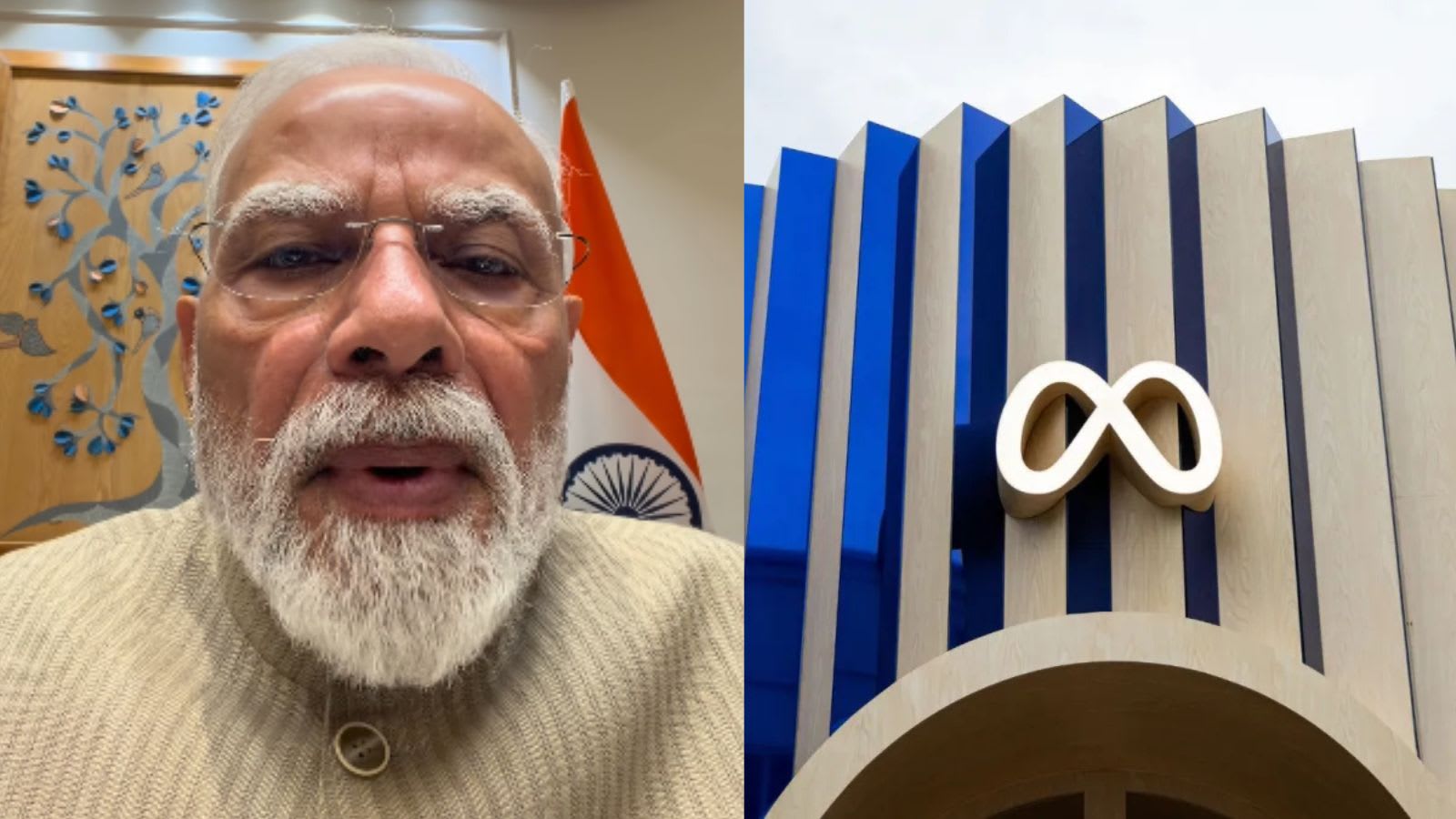
Meta has implemented enhanced senior-level oversight for posts by Prime Minister Modi and other prominent figures following the accidental removal of a video regarding NEET paper leaks. The company is coordinating with India's IT Ministry to ensure stricter safeguards and prevent future content moderation errors.
Meta Implements Enhanced Oversight Following Prime Minister’s Video Removal
The Incident and Immediate Response
In a significant development concerning digital governance and platform accountability, Meta has officially committed to implementing rigorous, senior-level oversight for social media posts originating from Prime Minister Narendra Modi and other high-profile Indian personalities. This policy shift follows a high-stakes incident where a direct selfie video posted by the Prime Minister—aimed at addressing the youth regarding the NEET paper leak controversy—was briefly removed from Facebook. The error sparked immediate concern within the Indian government, leading to the summoning of Meta officials by the Ministry of Electronics and Information Technology (MeitY).
The Mechanics of the 'Error'
Meta has acknowledged that the removal of the video, which featured the Prime Minister discussing the government’s commitment to curbing examination paper leaks, was the result of an unintended technical error. While automated moderation systems are standard for global platforms to police harmful content, the unintended suppression of a head of state’s message highlights the inherent risks of relying solely on algorithmic moderation for high-impact political content. By admitting the error and initiating a formal dialogue with the IT Ministry, Meta is attempting to mitigate tensions regarding platform neutrality and the potential for censorship of national leadership.
Strategic Shifts in Content Moderation
Moving forward, Meta has outlined a new framework to prevent such occurrences. The company has informed the Indian government that posts from the Prime Minister and other prominent accounts will now undergo additional, multi-layered reviews conducted by senior company officials. This transition from purely automated or low-level human moderation to a high-touch, senior-level oversight model signifies a major adjustment in how global tech giants manage content from sovereign leaders.
Broader Implications for Digital Sovereignty
This event underscores the growing friction between global social media platforms and national governments regarding digital sovereignty. As platforms become the primary medium for government-to-citizen communication, the 'error' in moderation has broader implications for how platforms balance their internal community guidelines with the necessity of ensuring the unhindered reach of official state discourse. The collaboration between Meta and the Indian government suggests a future where prominent political accounts may be 'whitelisted' or protected by specialized protocols to prevent automated systems from interfering with critical governance-related communication.
Historical Context and Future Trends
Historically, the relationship between social media companies and the Indian government has been characterized by intense scrutiny over data privacy, content regulation, and compliance with the IT Rules. This incident marks a pivot point where the focus has shifted toward the mechanical stability of political communication. Looking ahead, it is likely that other major platforms will follow Meta's lead, creating bespoke moderation tiers for world leaders to avoid diplomatic fallout. The upcoming meetings between Meta officials and government representatives will be pivotal in defining the specific technical boundaries of this new 'senior review' process, setting a precedent for how tech firms treat official state content in a polarized digital environment.