Meta may have leaked the first look at its slim ‘Project Phoenix’ headset
Source Entity
Stevie Bonifield
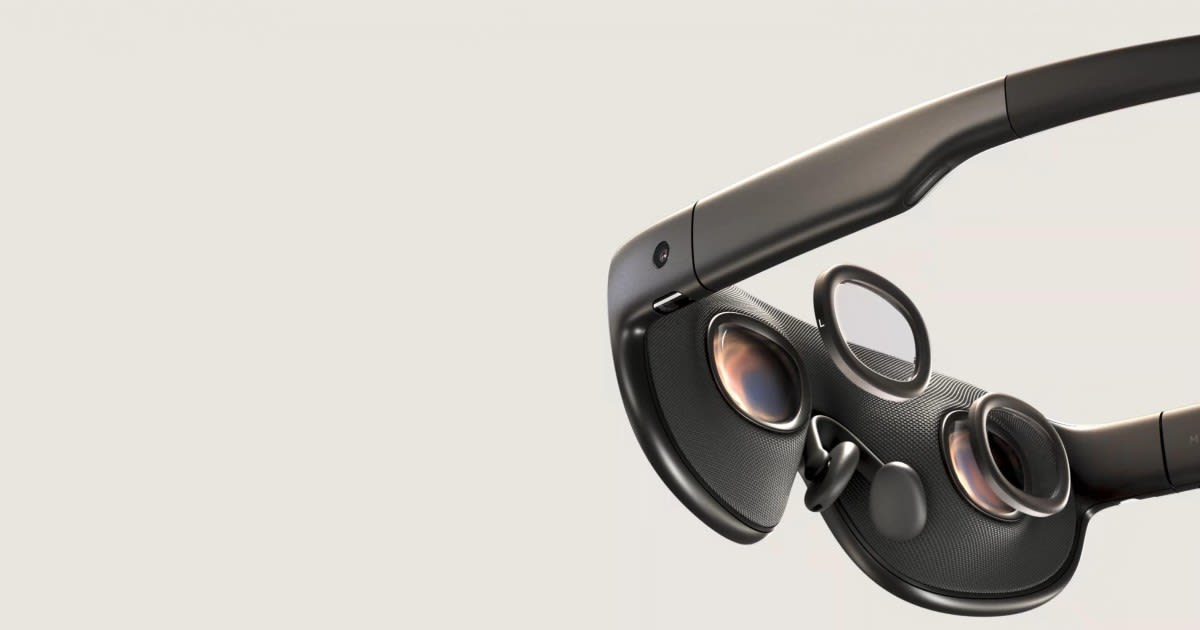
Leaked firmware images suggest Meta is developing a slim 'Project Phoenix' headset to bridge the gap between smart glasses and bulky VR devices. The discovery, surfacing just ahead of Meta Connect, indicates a strategic push to compete with glasses-style wearables from Xreal and Viture.
The Emergence of Project Phoenix
As the tech industry braces for the upcoming Meta Connect event on September 23rd, a significant leak has provided an early glimpse into the company's hardware roadmap. Images recently surfaced via UploadVR, allegedly extracted from the HorizonOS Prescription Lens firmware package, revealing a design concept internally referred to as 'Project Phoenix.' This discovery suggests that Meta is actively diversifying its hardware portfolio beyond the established Quest VR ecosystem.
Strategic Positioning in the Mixed Reality Landscape
The design revealed in these leaks indicates that Meta is targeting a specific middle ground in the wearable market. Currently, Meta’s hardware lineup is bifurcated between the lightweight, camera-equipped Ray-Ban AI smart glasses and the fully immersive, though bulkier, Quest 3 VR headset. 'Project Phoenix' appears to be a hybrid solution, aiming to occupy the space currently held by companies like Xreal and Viture. By pursuing this form factor, Meta is signaling an intent to offer a device that provides more utility than simple smart glasses but remains significantly more portable than traditional head-mounted displays.
Implications of the Firmware Leak
The origin of these images—within the HorizonOS firmware—is particularly telling. By embedding support for a new device within the OS that powers its current headsets, Meta is demonstrating a commitment to a unified software ecosystem. This suggests that 'Project Phoenix' will likely leverage the existing HorizonOS infrastructure, allowing for seamless integration with the apps and services that users currently enjoy on their Quest devices.
Expanding the Consumer Wearable Market
The market for glasses-style mixed reality devices has been heating up, with competitors like Xreal and Viture gaining traction among users who prioritize aesthetics and mobility. Meta’s entry into this specific sub-category could be a disruptive force. With the company's massive investment in AI and spatial computing, a 'Project Phoenix' headset could potentially bridge the gap between casual daily wear and high-fidelity augmented reality, providing a compelling alternative to current market leaders.
Future Outlook and Meta Connect Expectations
As we approach the September 23rd event, the industry will be watching closely to see if Meta officially acknowledges 'Project Phoenix.' If the leaked design proves accurate, it represents a significant pivot toward 'all-day' wearable technology. This shift could redefine how consumers perceive mixed reality, moving it away from 'gaming-only' hardware toward a more integrated, lifestyle-oriented computing platform. The success of such a device will ultimately hinge on Meta's ability to balance the slim profile of glasses with the computational power required for high-quality spatial experiences.