Google co-founder Larry Page leaves California ahead of billionaire tax vote
Source Entity
TOI TECH DESK
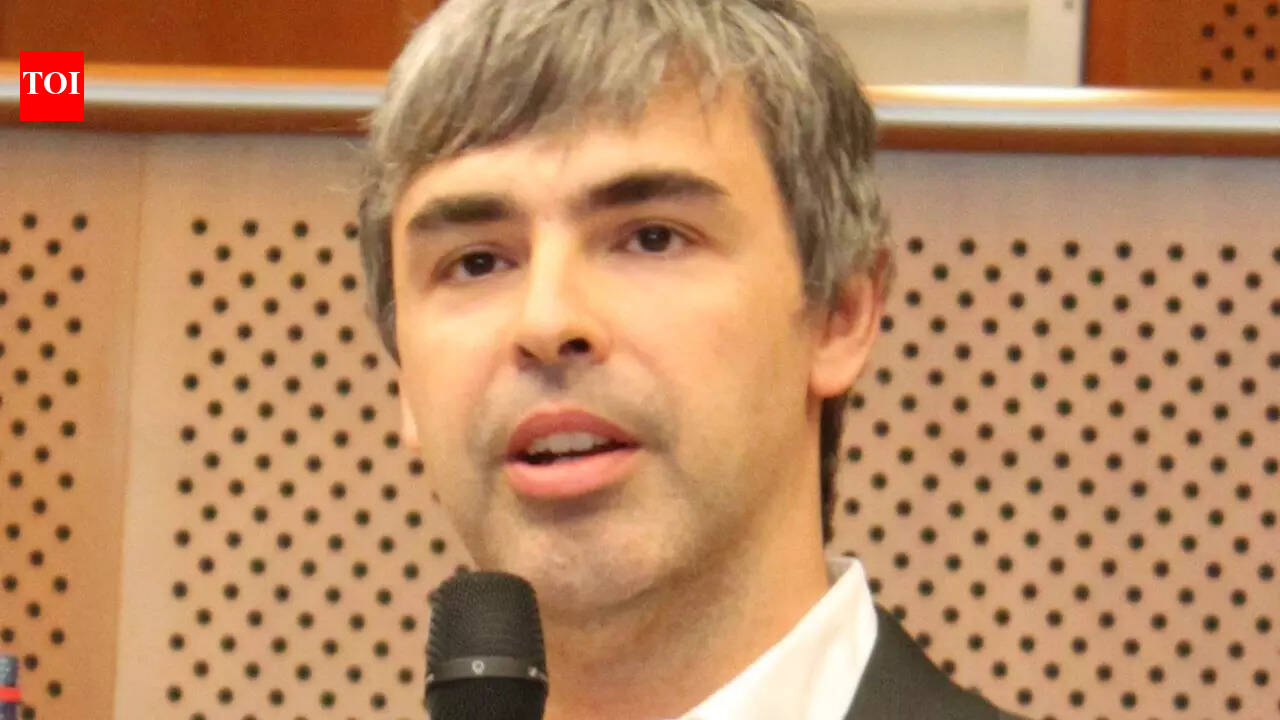
Meta is introducing a new class of non-voting stock to finance its massive AI infrastructure investments and employee compensation. Meanwhile, California faces a potential revenue shortfall as billionaire tech figures like Larry Page relocate ahead of a proposed wealth tax vote.
The Financial Strategy Behind Meta's AI Ambitions
Meta has officially announced a pivot in its capital structure, unveiling plans to issue a new class of non-voting capital stock. Revealed during the company's third-quarter earnings call, this strategic move is designed to provide the necessary liquidity to fund an aggressive expansion into artificial intelligence. CFO Susan Li emphasized that the scale of investment required to remain competitive in the current AI landscape is substantial, necessitating new methods for capital raising and resource allocation.
Strategic Utility of Non-Voting Shares
The decision to distribute these shares to existing shareholders via a stock dividend serves multiple purposes. By creating a publicly traded, non-voting class of equity, Meta gains a versatile tool for employee compensation and potential future acquisitions. This structure allows the company to pursue long-term strategic initiatives without diluting the voting control of current leadership, ensuring that Meta maintains a consistent vision during its transition into an AI-first entity.
The California Tax Exodus
While Meta looks to restructure its equity to fuel growth, the broader tech landscape is grappling with shifting tax policies. In California, the upcoming vote on Proposition 40—a proposed one-time 5% wealth tax on billionaires—has triggered a notable exodus among the ultra-wealthy. Larry Page, co-founder of Google, has reportedly relocated his business entities away from the state, reflecting a growing trend of tax-conscious migration among tech elites.
Economic Implications of the Billionaire Flight
The departure of figures like Larry Page poses a direct threat to California’s fiscal projections. While the state estimates that Proposition 40 could generate $100 billion in revenue, the exodus of residents who would collectively owe $29 billion highlights the volatility of relying on high-net-worth individuals for public funding. This creates a challenging environment for the state, as the very tax base intended to fund public services may relocate before the January 1, 2026, residency deadline.
Divergent Paths for Tech Titans
There is a clear divide in how tech leadership is responding to current economic pressures. While some, such as Nvidia CEO Jensen Huang, have expressed indifference toward the wealth tax, others are proactively severing ties with California to preserve their capital. This divergence suggests that companies are increasingly prioritizing geographic flexibility alongside their internal financial engineering, such as Meta's share restructuring, to navigate an increasingly complex global economic climate.
Future Trends in Corporate Governance
Looking ahead, the intersection of aggressive AI investment and localized tax policies will likely redefine how tech giants operate. Meta’s move to issue non-voting stock starting in 2027 signals an era where capital efficiency is paramount. As companies face rising costs to sustain infrastructure and growth, we can expect more creative financial instruments and an increased focus on jurisdictions that provide the most stable environment for capital preservation.
Multiple Citing Sources