Metro living, mediated by the gated societies
Source Entity
Latest News: Todays Latest News Headlines from India & World | Hindustan Times | Hindustan Times
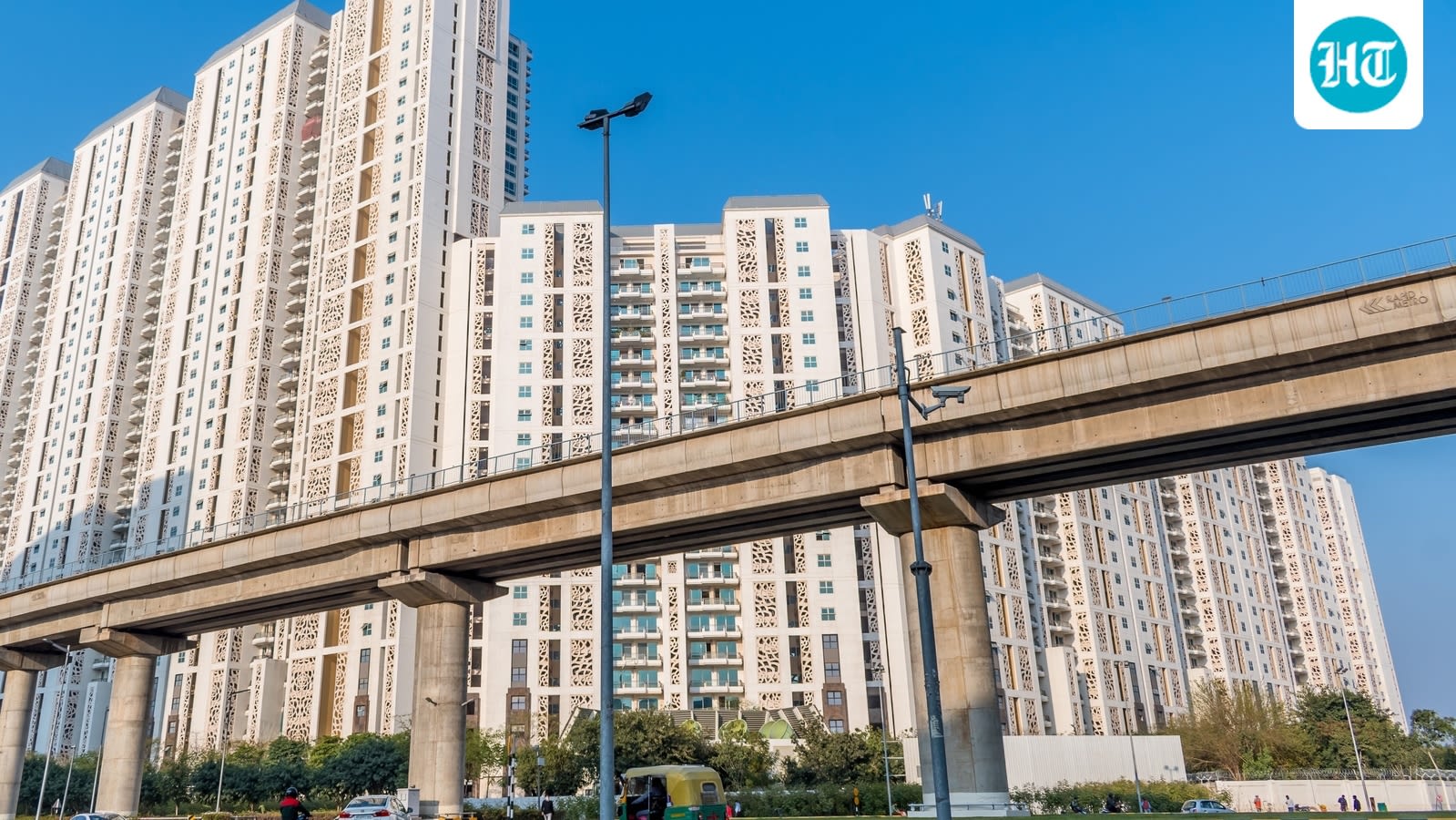
Modern urban life in Indian metros like Gurugram is increasingly defined by the sheltered, transactional nature of gated societies. This lifestyle creates a paradoxical environment where professional stress permeates leisure activities, isolating residents from the broader city experience.
The Architecture of Isolation: Life in India's Gated Metropolises
For over a decade, the narrative surrounding cities like Gurugram has been one of rapid growth marred by a perceived lack of livability. While these urban centers serve as engines of the modern Indian economy, they have simultaneously birthed a lifestyle defined by 'gated' existence. This phenomenon is not merely physical—referring to the walls of residential complexes—but psychological, creating a buffer between the individual and the chaotic, often neglected infrastructure of the city at large.
The Transactional Nature of Childhood
Even the pursuit of extracurricular enrichment, such as a child’s music class, reflects this transactional culture. As observed in the local music studio, the line between genuine pedagogical encouragement and commercial upsell is thin. When an instructor suggests a student might excel at drums—a course with a higher fee—it mirrors the broader commodification of middle-class aspirations. In this environment, every activity is calculated, and the 'gated' mentality ensures that even the development of a child is managed within a curated, fee-based ecosystem.
Professional Creep in Public Spaces
Perhaps the most striking feature of contemporary metro life is the total erosion of the boundary between work and leisure. The waiting areas of children’s hobby classes have effectively transformed into satellite offices. Parents are rarely present in the moment; instead, they are tethered to office laptops or conducting high-stakes conference calls. This 'always-on' culture suggests that the physical city is merely a transit point, a place to reside while the mind remains perpetually occupied by the demands of the globalized corporate sector.
The Illusion of Community
While gated societies promise security and amenities, they often foster a profound sense of alienation. By retreating into these enclaves, residents avoid the 'unworthiness' of the city’s public spaces, yet in doing so, they lose the organic community interactions that once defined urban living. The waiting room, filled with people on calls and laptops, is a microcosm of a society that has traded public engagement for private convenience. The collective focus is on data sources and slide decks rather than the shared experience of the immediate environment.
Future Trends and Social Implications
Looking ahead, this trend of 'mediated living' is likely to intensify. As remote and hybrid work models solidify, the reliance on gated infrastructures that provide 'everything under one roof' will only grow. However, this creates a feedback loop: the less people engage with the city outside their gates, the more the public infrastructure deteriorates due to a lack of civic pressure. The long-term consequence is a fragmented metropolis where the wealthy and middle class exist in a parallel reality, disconnected from the very city that sustains their economic status.
Conclusion
Ultimately, the assessment that Gurugram—and by extension, many Indian metros—is 'not a place worth living' is a critique of this very isolation. It is a recognition that when life becomes a series of managed, gated experiences, the essence of urban vitality is lost. Until there is a shift toward reclaiming public spaces and prioritizing human connection over transactional convenience, the urban experience will remain an exercise in digital productivity rather than communal living.
Verification Required?