Mayor shot dead in Mexico months after surviving assassination attempt
Source Entity
Thomas Graham
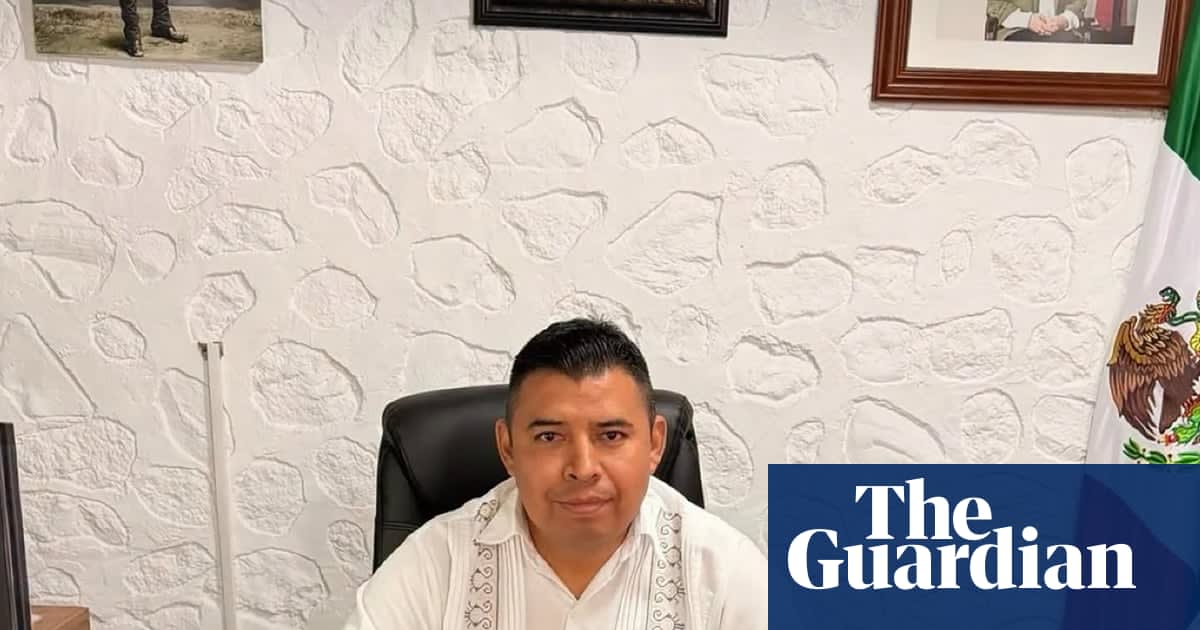
The mayor of Temoac, Valentín Lavín Romero, was assassinated in his town hall shortly after surviving a previous attempt on his life. His death marks a recurring trend of violence against local officials in Mexico, highlighting systemic security challenges under the current administration.
The Assassination of Valentín Lavín Romero: A Crisis of Local Governance
The recent murder of Valentín Lavín Romero, the mayor of Temoac in the Mexican state of Morelos, serves as a grim reminder of the persistent insecurity plaguing local government officials in the country. Romero, a member of the Green party—a strategic ally of the ruling Morena party—was targeted inside his own town hall during daylight hours, a brazen act that underscores the impunity enjoyed by criminal actors in the region. This incident follows a previous assassination attempt in January, where he was wounded at a petrol station, indicating that he had been a marked man for some time.
A Pattern of Targeted Violence
Romero's death is not an isolated incident but part of a broader, alarming trend. Since Claudia Sheinbaum assumed the presidency in October 2024, he has become the 14th mayor to be killed, a statistic that reflects the acute vulnerability of municipal leaders. The escalation of violence against public servants often points to the influence of organized crime syndicates seeking to exert control over local resources, infrastructure projects, and municipal budgets, thereby undermining the democratic process at the grassroots level.
Historical Context of Political Murders
To understand the gravity of this situation, one must look at the historical trajectory of violence in Mexico. Since 2006, nearly 100 mayors have been murdered, a period that coincides with the intensification of the country’s war against drug cartels. The fact that these attacks have persisted across multiple presidential administrations suggests deep-seated systemic failures in local law enforcement and intelligence capabilities. The inability to protect a mayor even after he had already survived a prior attempt on his life reveals a significant failure in the state’s duty to provide security for its elected officials.
The Security Vacuum in Morelos
Morelos, the state where the assassination occurred, has long been a flashpoint for criminal activity due to its geographic proximity to Mexico City and its complex network of transit routes. The method of the attack—hitmen entering the town hall and escaping on a motorbike—demonstrates a high degree of planning and a lack of fear regarding immediate apprehension. The prosecutor’s office has promised to "exhaust all lines of investigation," yet the lack of immediate suspects or motive highlights the difficulty authorities face in penetrating these criminal networks.
Broader Implications and Future Outlook
The assassination of a local official in the heart of their administrative office is an act of psychological warfare intended to intimidate other public servants. If local governance continues to be paralyzed by fear, the ability of the federal government to implement national policies will be severely compromised. Moving forward, the administration of Claudia Sheinbaum will likely face immense pressure to overhaul security protocols for local officials. Without a fundamental shift in how the state manages the intersection of local politics and criminal enterprise, the tragic cycle of violence is unlikely to be broken in the near term.