Alleged Russell Brand rape victim wants age of consent law changed
Source Entity
BBC News
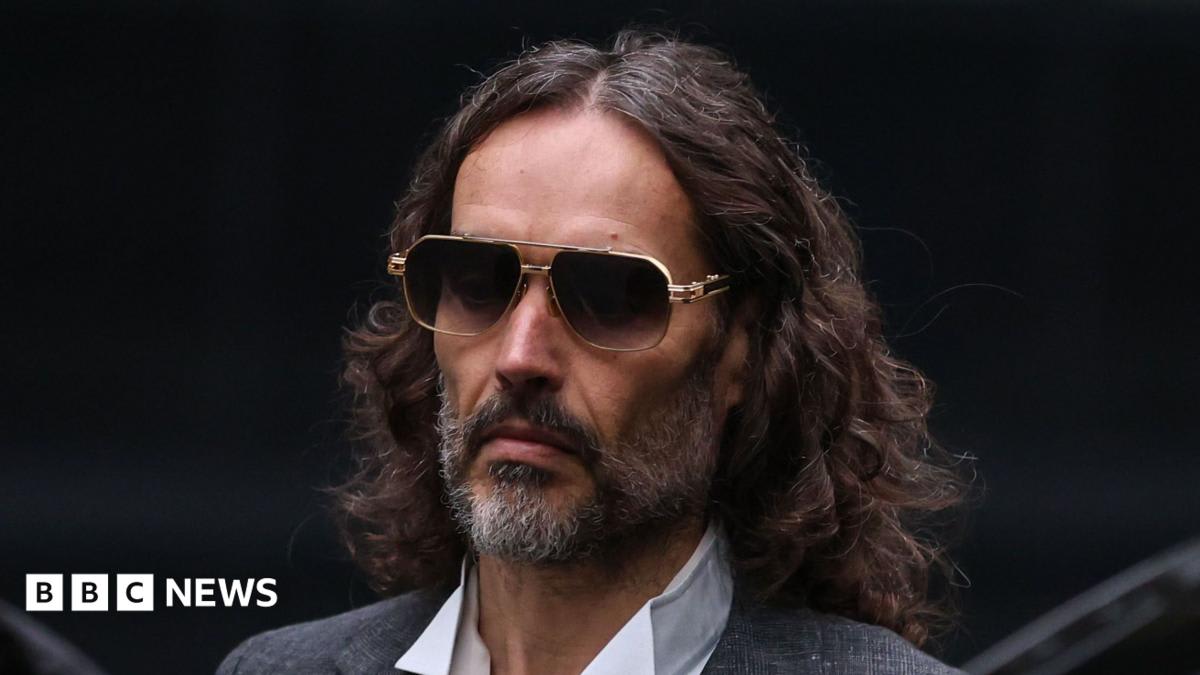
Mia Latter, who previously alleged sexual assault by Russell Brand, has waived her anonymity to campaign for a staggered age of consent law. This follows Brand's recent sentencing to over a decade in prison for rape and sexual assault convictions.
The Campaign for Legislative Reform: Mia Latter’s Call to Action
Following the recent conviction and sentencing of entertainer Russell Brand, the discourse surrounding sexual assault accountability has shifted toward systemic legislative change. Mia Latter, who previously came forward as part of a joint investigation by The Times, The Sunday Times, and Channel 4’s Dispatches, has now waived her right to anonymity. By stepping into the public eye, Latter is leveraging her personal experience to advocate for a 'staggered' age of consent law, arguing that current legal frameworks fail to adequately protect minors in vulnerable positions.
Contextualizing the Allegations and Legal Outcome
Latter’s public emergence is rooted in the 2023 investigative reporting that brought multiple allegations against Brand to the forefront of public consciousness. While the women involved in that initial media investigation were not complainants in the specific criminal trial that led to Brand’s recent conviction, their collective testimony helped establish a pattern of behavior that has become central to the broader public conversation. Brand was recently sentenced to 10 and a half years in prison after being found guilty of one count of rape and three counts of sexual assault, though he was acquitted of several other charges.
The Proposal for a Staggered Age of Consent
At the heart of Latter’s advocacy is the concept of a staggered age of consent. Currently, many legal systems operate on a binary threshold, which critics argue does not account for the complexities of power imbalances, grooming, or the psychological maturity of teenagers. By proposing a staggered model, Latter suggests a more nuanced approach that could potentially introduce legal protections that acknowledge the predatory nature of older individuals targeting 16-year-olds, even if those individuals are technically above the current legal age of consent in certain jurisdictions.
Societal Implications and Institutional Trust
This advocacy highlights a growing societal demand for accountability within the entertainment industry and beyond. The intersection of high-profile criminal cases and survivor-led policy reform often serves as a catalyst for legislative review. As Latter continues her campaign, the focus remains on whether policymakers will entertain amendments to existing statutes to better prevent the exploitation of minors, effectively bridging the gap between moral outrage and enforceable law.
Future Trends in Legal Advocacy
The move by Latter to waive her anonymity is a significant tactical shift often seen in modern social justice movements. By putting a face and a voice to the legislative goal, she increases the likelihood of sustained media attention and government scrutiny. Looking ahead, it is probable that this case will serve as a reference point for future debates on sexual assault legislation, particularly regarding how courts and lawmakers view consent within the context of age-based power dynamics.
Conclusion
Mia Latter’s campaign represents a critical evolution from individual grievance to structural advocacy. By linking her personal narrative—as a teenager who encountered the now-convicted Brand—to a specific policy proposal, she is forcing a conversation on the limitations of current consent laws. Whether or not this leads to concrete legislative change, the effort underscores the enduring impact of the 2023 investigations and the continued influence of survivors in shaping the future of criminal justice policy.