Microsoft posts $92.3bn quarterly revenue after offering buyouts to 60,000 employees
Source Entity
Agence France-Presse
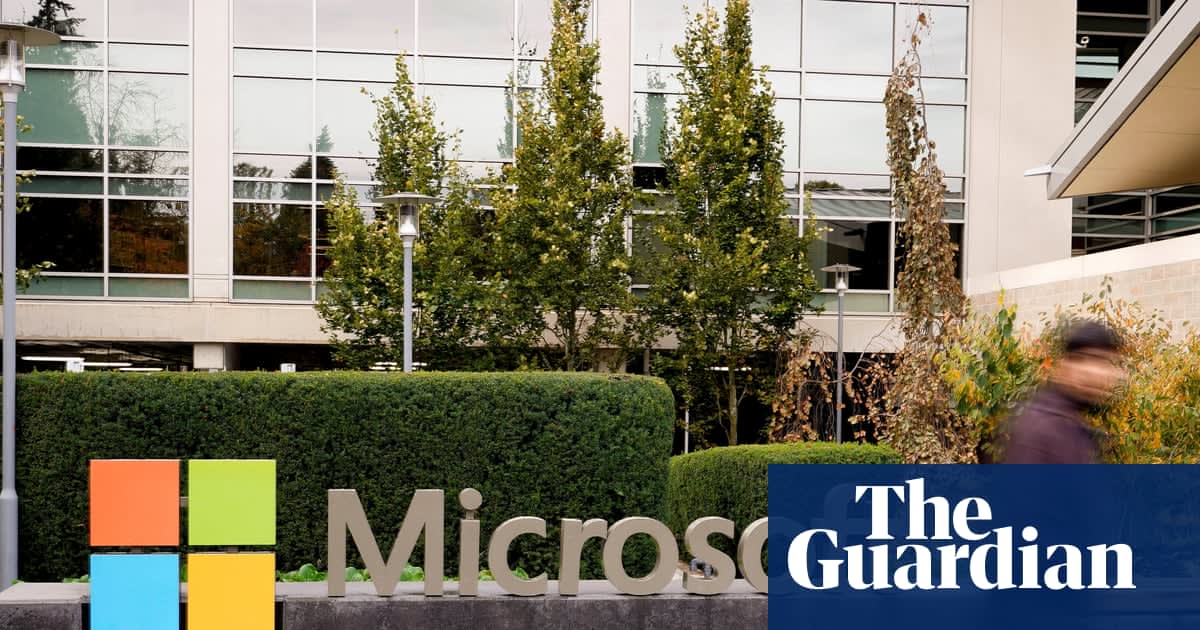
Microsoft reported strong quarterly earnings of $92.3 billion in revenue, exceeding analyst expectations. Simultaneously, the company has offered voluntary buyouts to 60,000 employees to reduce operating costs and sustain heavy investment in AI infrastructure.
Financial Performance Amidst Structural Shifts
Microsoft has demonstrated robust financial health in its latest quarterly report, posting $92.3 billion in revenue and $36.6 billion in profit. These figures comfortably surpassed analyst expectations of $90.6 billion and $35.1 billion, respectively. This performance highlights the company's ability to maintain a strong market position even as it navigates a complex period of internal restructuring and aggressive technological pivoting.
The Role of Azure in Sustained Growth
The primary engine behind this fiscal success is the Azure cloud computing division, which recorded an impressive 48% growth during the September quarter. As CEO Satya Nadella noted, the company is focusing on providing enhanced capability, control, and cost-efficiency across its stack. This growth in cloud infrastructure underscores the increasing reliance of global enterprises on Microsoft’s digital backbone, which serves as the foundation for the company's broader AI initiatives.
Strategic Cost Reduction and Workforce Realignment
Contrasting the positive earnings report is the company’s decision to offer voluntary buyouts to approximately 60,000 employees across the US, UK, Canada, and India. This move represents a significant shift in corporate operations, affecting roughly one in four workers. By reducing headcount and lowering total people costs, Microsoft is clearly attempting to balance its balance sheet while freeing up capital for long-term strategic goals.
Prioritizing AI Infrastructure Investment
The dual narrative of record profits and massive voluntary buyouts is tied directly to the company's commitment to artificial intelligence. Microsoft is currently pouring billions of dollars into AI infrastructure. The buyout program is explicitly designed to curb operating costs, ensuring that the company can continue to fund its AI ambitions without compromising its fiscal stability. This represents a fundamental change in how Microsoft manages its workforce in the age of automation.
Market Response and Investor Sentiment
Following the announcement, Microsoft shares rose by nearly 2.9% in after-hours trading. This positive market reception suggests that investors are currently endorsing the company’s strategy of prioritizing AI-driven growth over traditional workforce expansion. However, the industry remains in a state of observation, as analysts continue to question whether the immense capital expenditure required for AI will yield long-term, sustainable returns.
Future Trends and Corporate Implications
Looking ahead, Microsoft’s trajectory serves as a bellwether for the broader technology sector. The company’s willingness to scale back its human capital to fund AI development signals a potential shift in industry norms, where efficiency and automated infrastructure take precedence over headcount growth. As Microsoft continues to integrate AI across its products, the success of this strategy will likely define the company's competitive standing for the next decade.
Multiple Citing Sources