Samsung delivers record-setting profits, but the shares still can’t catch a break from investors.
Source Entity
Jules Rimmer
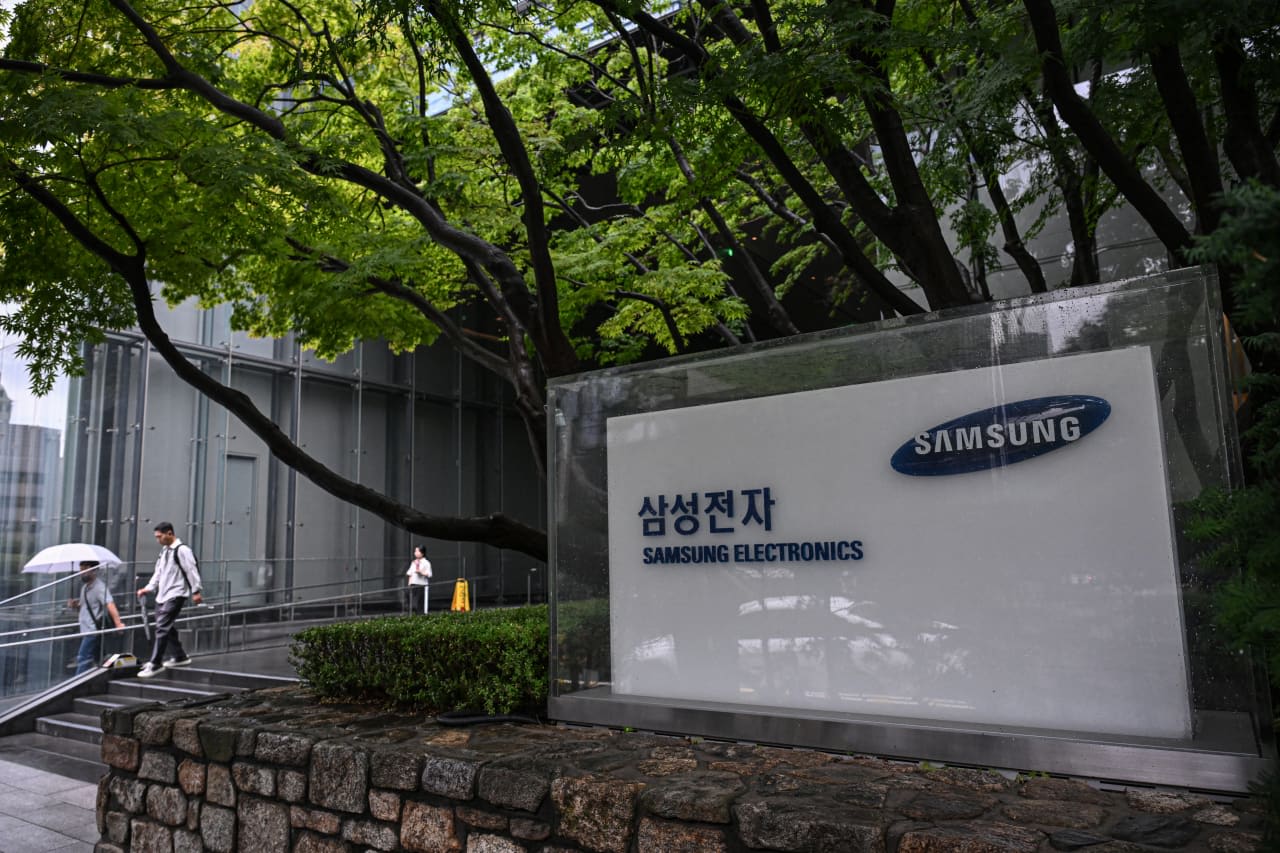
Microsoft's strong cloud earnings have boosted market confidence in AI-related tech stocks, despite ongoing investor skepticism toward Samsung. While Microsoft signals a sustainable path for AI spending, broader concerns regarding chip competition and market sustainability persist.
The Divergent Paths of Tech Giants in the AI Era
The technology sector is currently navigating a complex landscape defined by massive capital expenditure (capex) on artificial intelligence infrastructure. Recent market activity reveals a stark contrast between Microsoft, which has successfully signaled financial sustainability to investors, and Samsung, which faces persistent headwinds despite record-setting profits. This divergence highlights how Wall Street is shifting its focus from mere growth to the quality and longevity of AI-driven earnings.
Microsoft: Balancing Innovation with Financial Discipline
Microsoft’s recent stock performance, which soared to historic gains, serves as a testament to the market's appetite for companies that can balance aggressive AI investment with fiscal responsibility. The company’s cloud business has demonstrated robust growth, acting as a reliable engine that funds its expansive AI ambitions. Crucially, analysts have praised Microsoft for adopting a "responsible" financial approach, which alleviates investor fears regarding potential "cash-burn" scenarios that often accompany rapid technological scaling.
The Ripple Effect on the Semiconductor Industry
Microsoft’s optimistic outlook has triggered a positive chain reaction across the broader semiconductor industry. Companies like Micron and Sandisk have seen their stock prices receive significant boosts, as investors view Microsoft’s continued AI spending as a leading indicator of long-term demand for memory and processing chips. This synergy underscores the dependency of the entire AI ecosystem on the health of cloud hyperscalers.
Samsung’s Struggle with Market Skepticism
In contrast, Samsung finds itself in a precarious position. Despite reporting record-setting profits and benefiting from relentless demand for its memory chips, the company’s share price remains depressed. This disconnect stems from deep-seated investor skepticism regarding two primary factors: the long-term sustainability of the current AI-driven capex boom and the increasing threat posed by lower-cost chip manufacturers emerging from China.
The Shadow of Global Competition
Beyond the debate over AI sustainability, the rise of affordable, high-volume chip production in China presents a structural risk that traditional industry leaders like Samsung cannot ignore. As supply constraints remain severe, the market is beginning to weigh the benefits of current high-demand cycles against the potential for long-term margin compression caused by cheaper foreign competitors. This has created a bifurcated environment where investors are increasingly selective about which hardware providers they back.
Future Trends and Market Outlook
Looking ahead, the tech sector will likely continue to differentiate between companies that can prove their AI investments translate into tangible, sustainable cloud revenue and those that remain vulnerable to market saturation. While the current momentum remains strong, the focus will inevitably shift toward how companies manage their balance sheets amidst the high costs of AI infrastructure. For industry giants, the path forward requires not just technological leadership, but a clear narrative of financial endurance that can withstand both cyclical market shifts and the intensifying pressure of global competition.
Verification Required?