After the midterms, things are looking rocky for Elon Musk and data centers
Source Entity
Anthony Ha
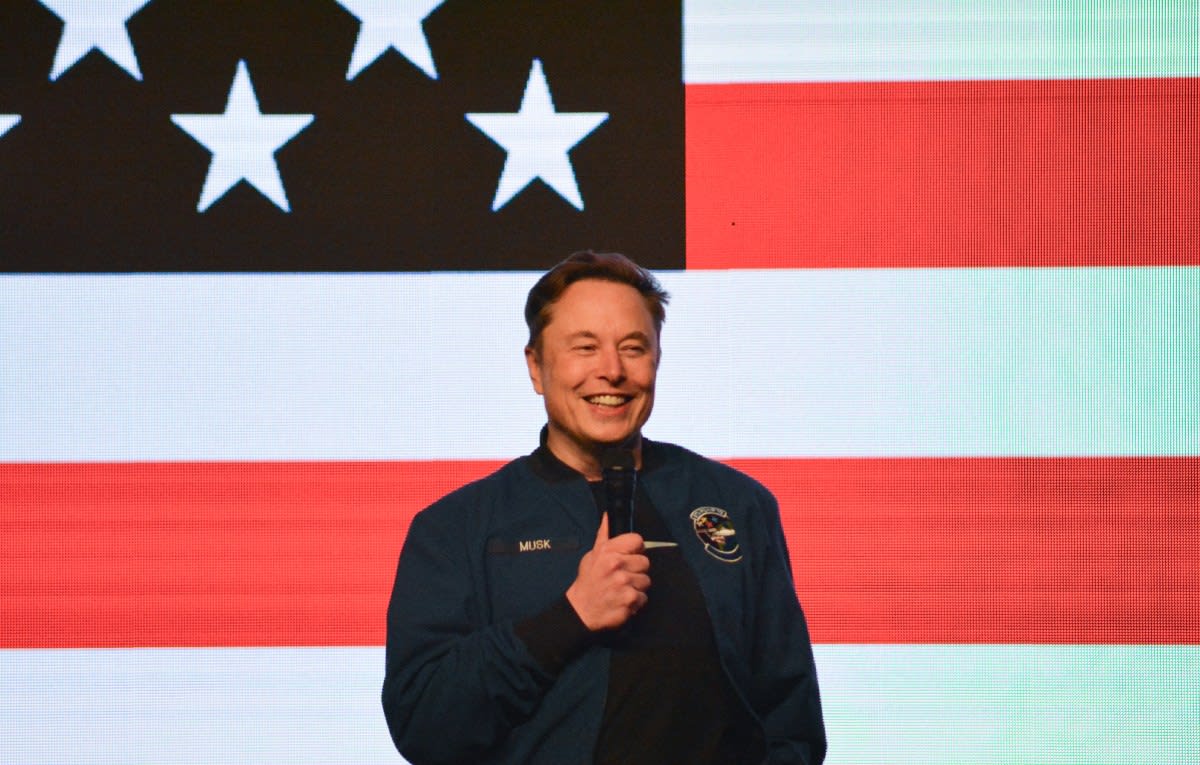
The recent US midterm elections have signaled a growing political and public backlash against the expansion of data centers. This shift poses significant regulatory challenges for tech leaders like Elon Musk, who now faces an increasingly hostile political environment in states where his companies operate.
The Shifting Political Landscape for Big Tech
The aftermath of the recent midterm elections has unveiled a complex and potentially turbulent landscape for the technology sector, particularly concerning infrastructure development. As voters across various jurisdictions voiced their concerns, a clear trend emerged: local communities are increasingly hostile toward the rapid proliferation of data centers. This pushback, manifested in both direct ballot measures and the election of candidates opposed to such infrastructure, signals a paradigm shift in how tech expansion is perceived at the grassroots level.
The Rise of Localized Resistance
Data centers, while essential for the modern digital economy, are increasingly viewed by local municipalities as resource-intensive burdens. These facilities often demand significant electrical power and water consumption, leading to friction with local residents. The rejection of data center projects via local ballot measures highlights a growing disconnect between tech industry needs and community interests. This trend is not merely anecdotal; it represents a coordinated effort by local electorates to assert control over their regional industrial footprint, forcing tech giants to rethink their site-selection strategies.
Political Consequences and Regulatory Hurdles
The election of officials like Texas’ governor-elect Gina Hinojosa serves as a bellwether for the tech industry's future regulatory climate. By campaigning on platforms that prioritize restricting data center expansion, these politicians are responding to a mandate from their constituents. For companies that rely on massive, centralized computing power, this legislative shift suggests that the era of unfettered infrastructure growth may be coming to a close. Future developments will likely require more rigorous environmental impact assessments and community engagement efforts to overcome these political barriers.
Elon Musk and the Strategic Mismatch
Perhaps most notable is the precarious position of Elon Musk following the election results. Despite substantial financial backing for Republican candidates—to the tune of half a billion dollars—the political outcome has left him with little in the way of tangible influence. Furthermore, his companies are headquartered in regions that have moved toward more progressive political alignments. This misalignment between political investment and regional governance could complicate future operations and regulatory dealings for his various enterprises.
Future Trends and Industry Implications
Looking ahead, the tech industry must prepare for a more fragmented regulatory environment. As states and municipalities become more emboldened to restrict data center growth, companies may be forced to explore alternative technologies, such as edge computing, or invest heavily in sustainable infrastructure to appease local concerns. The combination of legislative restrictions and public skepticism suggests that the path to scaling physical tech infrastructure will become increasingly expensive and complex, requiring a fundamental change in how tech giants interact with the political bodies that govern them.