Day before FIR against Dipke, Minister Bhuse ‘welcomed CJP school checks’
Source Entity
The Indian Express
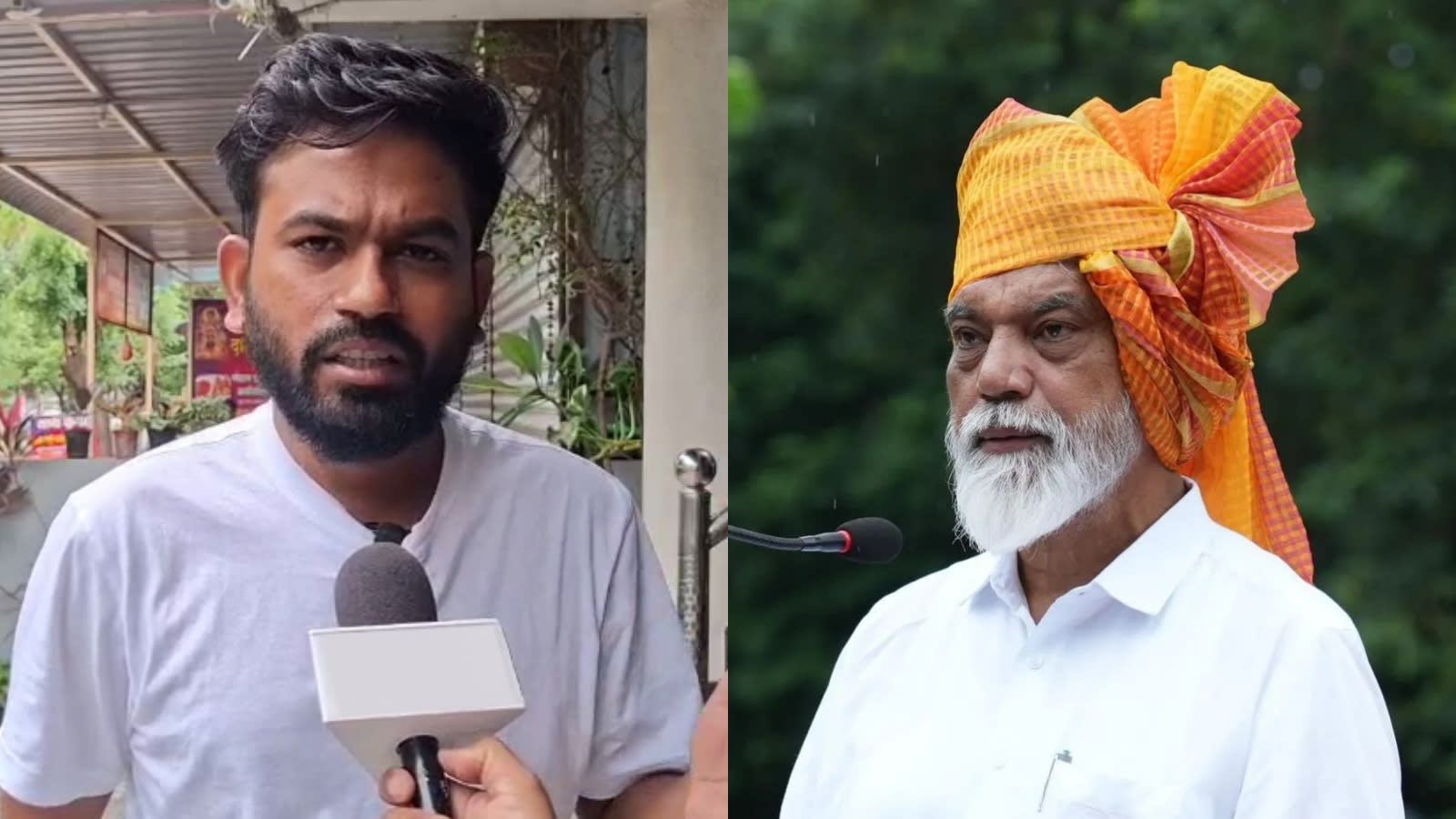
Maharashtra School Education Minister Dada Bhuse publicly welcomed activist Abhijeet Dipke's school improvement campaign just a day before an FIR was filed against him. The incident highlights the tension between government-sanctioned oversight and the legal repercussions of unauthorized school inspections.
The Intersection of Public Activism and State Oversight
The recent developments surrounding Abhijeet Dipke, founder of the Cockroach Janta Party, and his 'School Thik Karo' campaign have brought to light the complex relationship between grassroots educational activism and administrative authority in Maharashtra. The situation gained significant attention when state School Education Minister Dada Bhuse expressed public support for the campaign, only for an FIR to be filed against Dipke the following day regarding his entry into a school in Latur.
The Minister's Stance on Citizen Engagement
On August 21, while speaking in Malegaon, Minister Dada Bhuse framed the 'School Thik Karo' campaign as a constructive contribution to the state's educational framework. By stating that the department views the highlighting of organizational deficiencies as a positive step, Bhuse signaled a policy of openness toward external audits conducted by citizens. This rhetoric suggests a government attempt to leverage public participation to address systemic issues within the state-run school system.
The Disconnect: Intent vs. Legal Reality
Despite the Minister’s welcoming tone, the subsequent registration of an FIR against Dipke for his presence on school premises indicates a sharp disconnect between political discourse and administrative enforcement. While the Education Department may value the feedback provided by the campaign, local authorities and school administrations appear to be prioritizing security and regulatory protocols, leading to legal action against the activist for his direct methods of investigation.
Implications for Educational Reform
This incident underscores the inherent risks faced by activists who bypass formal grievance channels to conduct on-site inspections. When individuals like Dipke enter school premises to document shortcomings, they navigate a thin line between public service and trespassing. The case highlights a broader challenge for the Maharashtra government: how to integrate citizen-led oversight into a regulated educational environment without compromising the safety and operational integrity of the institutions.
The Future of 'School Thik Karo'
The juxtaposition of ministerial praise and police intervention creates an uncertain future for the campaign. For the 'School Thik Karo' initiative to remain viable, there will likely need to be a formalized protocol established by the Ministry of Education that allows for transparent, authorized inspections. Without such a framework, activists remain vulnerable to legal repercussions, even when their stated intent aligns with the government's own goals of improving school standards.
Concluding Perspectives
Ultimately, the case of Abhijeet Dipke serves as a case study in the friction between top-down governance and bottom-up accountability. Whether the state will move to protect such activists or continue to treat them as potential security threats remains a critical question for the future of civil society engagement in Maharashtra's education sector.