For Gen Z Outreach, PM Modi Asked Ministers To Join Instagram. The Report Card
Source Entity
NDTV News Search Records Found 1000
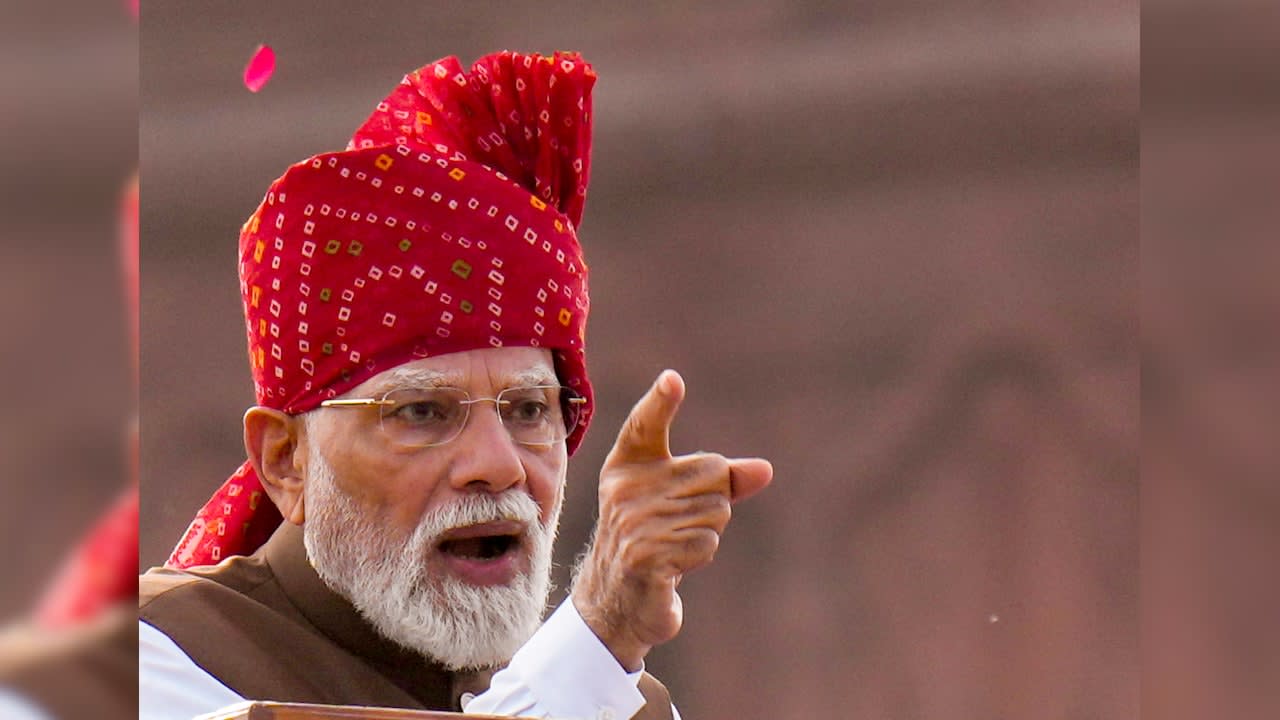
Prime Minister Narendra Modi has directed his ministers to increase their engagement on Instagram to better connect with Gen Z. This strategic shift aims to modernize government communication and improve outreach to younger demographics.
The Digital Pivot: PM Modi’s Directive for Instagram Outreach
Prime Minister Narendra Modi’s recent directive to his cabinet ministers to increase their activity on Instagram marks a significant evolution in the Indian government’s communication strategy. By explicitly identifying Instagram as the primary theater for engaging with Generation Z, the administration is acknowledging the shifting media consumption habits of the youngest and most digitally native segment of the electorate. This move transitions the government’s digital presence from traditional information dissemination to a more visual, lifestyle-oriented engagement model.
Understanding the Gen Z Demographic Shift
Generation Z, defined by their preference for short-form video content and visual storytelling, represents a critical demographic for any modern political entity. Unlike older cohorts who may rely on traditional news broadcasts or text-heavy social media platforms, Gen Z consumes political information through ephemeral content like Reels and Stories. By urging ministers to adopt these formats, the Prime Minister is signaling a shift toward 'humanizing' governance, moving away from formal press releases to behind-the-scenes glimpses that resonate with younger, social-media-savvy voters.
Strategic Communication and Political Branding
In the realm of modern political campaigning, the ability to control the narrative through visual media is paramount. Instagram’s algorithm heavily favors high-engagement, aesthetic content, which allows politicians to bypass traditional media gatekeepers. By mandating a stronger presence on this platform, the government is likely aiming to cultivate a more approachable image for its ministers, thereby bridging the gap between bureaucratic functions and public perception. This strategy is not merely about presence; it is about curated visibility.
Historical Context and Digital Evolution
This directive is the latest chapter in a decade-long journey of digital transformation within the Indian government. Since 2014, the administration has consistently prioritized 'Digital India' initiatives, utilizing platforms like X (formerly Twitter) for policy announcements and direct public interaction. The pivot to Instagram represents the second phase of this evolution: moving from informational outreach to cultural integration, where government officials participate in the same digital ecosystems as the citizens they serve.
Broader Implications for Governance
As ministers become more active on Instagram, the landscape of political discourse in India is likely to change. We can expect an increase in influencer-style political content, where policy goals are translated into viral trends or visual infographics. While this enhances accessibility, it also necessitates a higher standard of digital literacy among government staff to manage the risks associated with rapid, visual-first communication, where context can sometimes be lost in the pursuit of engagement metrics.
Conclusion: The Future of Digital Engagement
Looking ahead, the success of this directive will depend on the authenticity of the content produced. As Gen Z becomes increasingly discerning about digital marketing, the government’s challenge will be to maintain a balance between professional decorum and the casual, interactive nature of Instagram. This shift suggests that the future of Indian political outreach will be increasingly visual, personalized, and platform-specific, marking a permanent departure from the static communication methods of the past.
Verification Required?