‘Nothing to do with politics’: Nitin Gadkari office clarifies ‘next generation’ remarks
Source Entity
Vikas Pathak
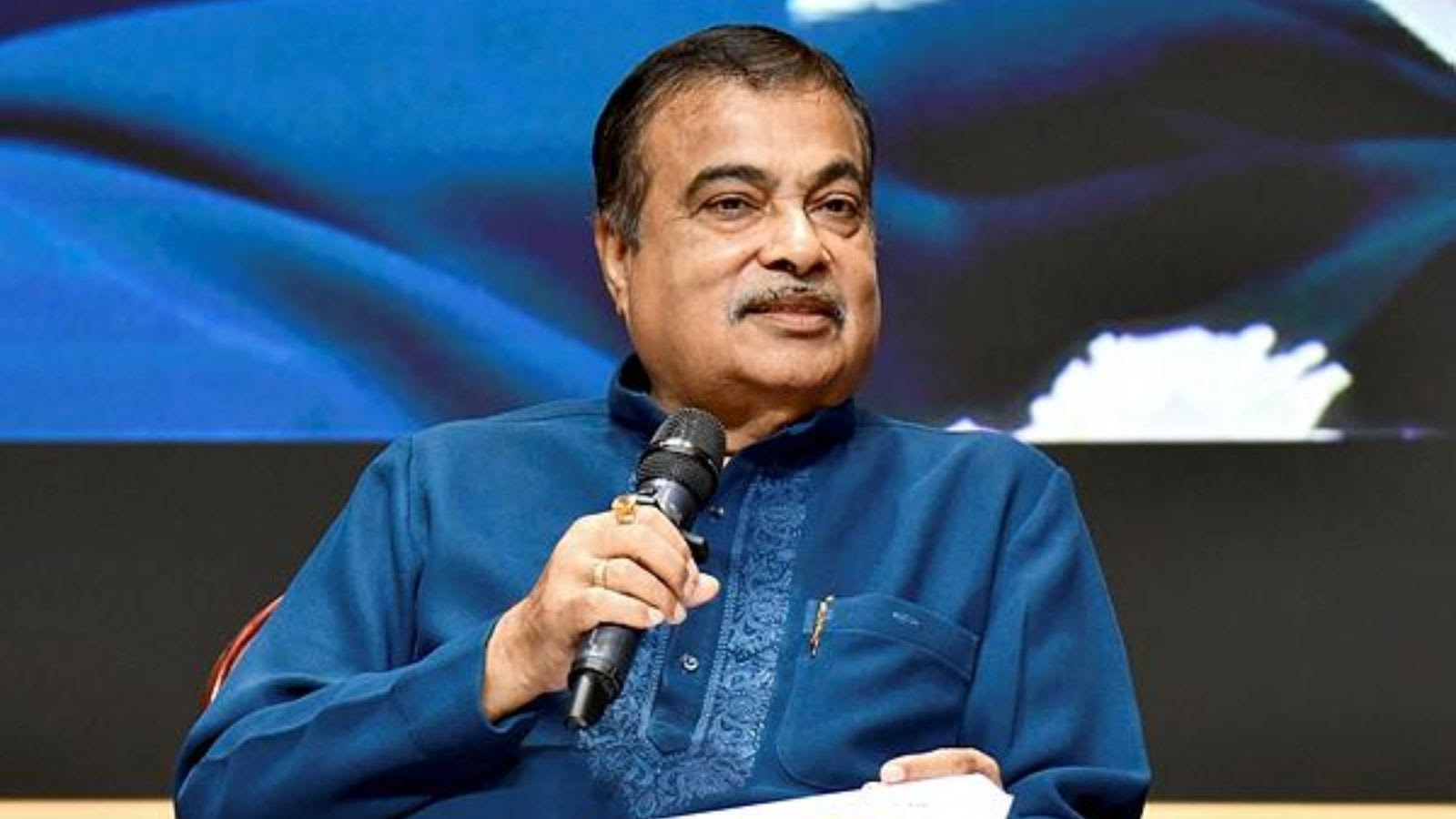
Union Minister Nitin Gadkari's office has clarified that his recent comments regarding a generational leadership transition were taken out of context. The remarks were specifically directed at the management of the Laxmanrao Mankar Trust rather than national politics.
Clarifying the Context: Nitin Gadkari’s Recent Statements
Recent reports concerning Union Minister Nitin Gadkari have generated significant public discourse, primarily centered on his comments regarding the need for a "next generation" to take over leadership responsibilities. During an event in Nagpur, the 69-year-old minister suggested that after three decades of continuous labor, it is time for new faces to emerge, while the older generation shifts into a guidance-oriented role. This statement immediately ignited widespread speculation regarding potential shifts within the Union Cabinet and the broader political landscape of India.
The Nature of the Misinterpretation
The intensity of the reaction stems from the high profile of Minister Gadkari and the persistent climate of speculation that often surrounds cabinet reshuffles. Political observers and media outlets frequently analyze such remarks as signals for impending organizational changes. However, the Minister's office intervened quickly to address these claims, asserting that the media and political analysts had stripped his words of their intended meaning, leading to an inaccurate narrative regarding his political future.
Focusing on Institutional Stewardship
The central clarification provided by the Minister's office is that the comments were explicitly tethered to the Laxmanrao Mankar Trust. This organization, which oversees Ekal Vidyalayas in tribal regions, requires a specific type of administrative succession to ensure its long-term viability and educational mission. By framing his comments within the context of non-profit management, the office has effectively decoupled the remarks from the sphere of governmental or party-political hierarchy.
Implications of Public Perception
This incident highlights the challenges faced by high-ranking officials in the digital age, where a single quote delivered at a local event can be amplified and repurposed to fit a national political narrative. The speed with which political rumors travel often outpaces the nuance of the original message. In this instance, the clarification serves as a reminder that institutional leadership—whether in a charitable trust or a government ministry—requires distinct approaches to succession planning.
Historical Context and Future Trends
In the broader context of Indian politics, the debate over generational shifts is a perennial issue. As political figures age, the public and the media frequently look for signs of transition. While the minister’s office has firmly stated that these remarks were non-political, the episode underscores the high level of scrutiny applied to senior cabinet members. Moving forward, such clarifications will remain essential tools for political entities to maintain stability and prevent the misdirection of public discourse during periods of policy development or administrative transition.
Conclusion
In summary, while the initial remarks by Nitin Gadkari caused a ripple of speculation regarding potential political changes, the subsequent clarification from his office provides a definitive anchor for the story. By refocusing the discussion on the Laxmanrao Mankar Trust and the operational needs of that specific institution, the office has successfully mitigated the potential for further political rumors. This event stands as a case study in the importance of context in public communication and the necessity of rapid response in modern political reporting.