After Rahul Gandhi’s nudge, Maharashtra scraps age limit for tribal hostel admissions
Source Entity
MANOJ MORE
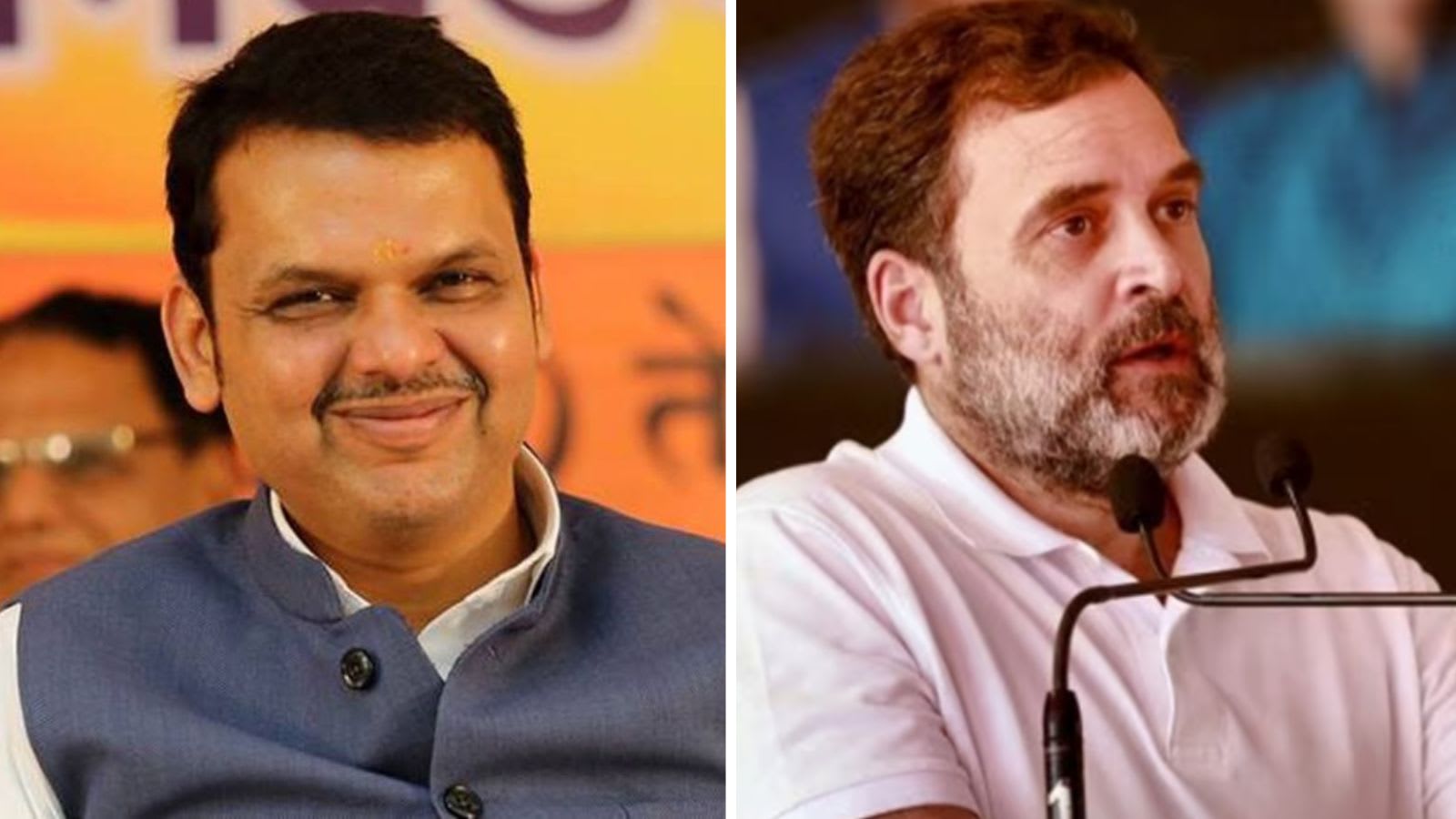
Following a letter from Rahul Gandhi regarding tribal student welfare, the Maharashtra government removed the age limit for hostel admissions. The BJP criticized Gandhi's intervention, demanding he first address similar issues in Congress-led states.
The Political Tug-of-War Over Tribal Welfare
The recent discourse surrounding tribal education in Maharashtra highlights a significant point of contention between the Bharatiya Janata Party (BJP) and Congress leader Rahul Gandhi. The controversy began when Gandhi wrote to Chief Minister Devendra Fadnavis on August 24, 2026, advocating for students engaged in a hunger strike over systemic issues in tribal hostels. This intervention triggered a swift policy shift, with the Maharashtra government subsequently announcing the removal of the 30-year age limit for hostel admissions to accommodate more students.
The BJP Response: A Critique of Hypocrisy
The BJP’s reaction to this development was sharply critical, characterizing Gandhi’s advocacy as a calculated political maneuver. The ruling party accused the Congress leader of adhering to a pattern of inciting noise only after administrative actions are initiated. Furthermore, the BJP challenged Gandhi’s moral authority on the matter, urging him to conduct an audit of tribal welfare departments and hostel conditions within Congress-governed states like Telangana and Karnataka, suggesting that his focus is selective rather than systemic.
Allegations of Institutional Patronage
Beyond the debate over age limits, the political rhetoric has escalated to include accusations of institutional negligence and patronage. The BJP claimed that specific tribal schools currently facing student protests are, in fact, operated by Congress-affiliated leaders. By raising these concerns, the ruling party is attempting to shift the narrative from one of government failure to one of opposition complicity, effectively accusing Gandhi of shielding individuals responsible for the grievances voiced by the students.
Policy Implications for Maharashtra
The decision to scrap the age limit for the 490 government-run hostels managed by the Tribal Development Department represents a tangible policy victory for the protesting students. By eliminating the 30-year cap, the state government has removed a significant barrier to entry for older tribal students pursuing higher education. This move follows an all-party meeting convened by CM Fadnavis, indicating that while political rhetoric remains heated, there is a functional mechanism in place to address legislative and administrative grievances through consensus.
Future Trends in Tribal Advocacy
This incident underscores a growing trend in Indian politics where tribal welfare is being utilized as a central pillar for regional and national mobilization. As both major parties vie for influence over tribal communities, we can expect increased scrutiny of state-run welfare departments. The demand for transparency in school management and hostel funding is likely to persist, forcing both the BJP and Congress to maintain high levels of accountability in the states they govern. The interplay between public protest, opposition pressure, and government policy reform will likely remain a hallmark of the political landscape in the lead-up to future electoral cycles.