Mitch McConnell update: Did John Thune and John Barrasso know about Senator's voting troubles? New video viral
Source Entity
Latest News: Todays Latest News Headlines from India & World | Hindustan Times | Hindustan Times
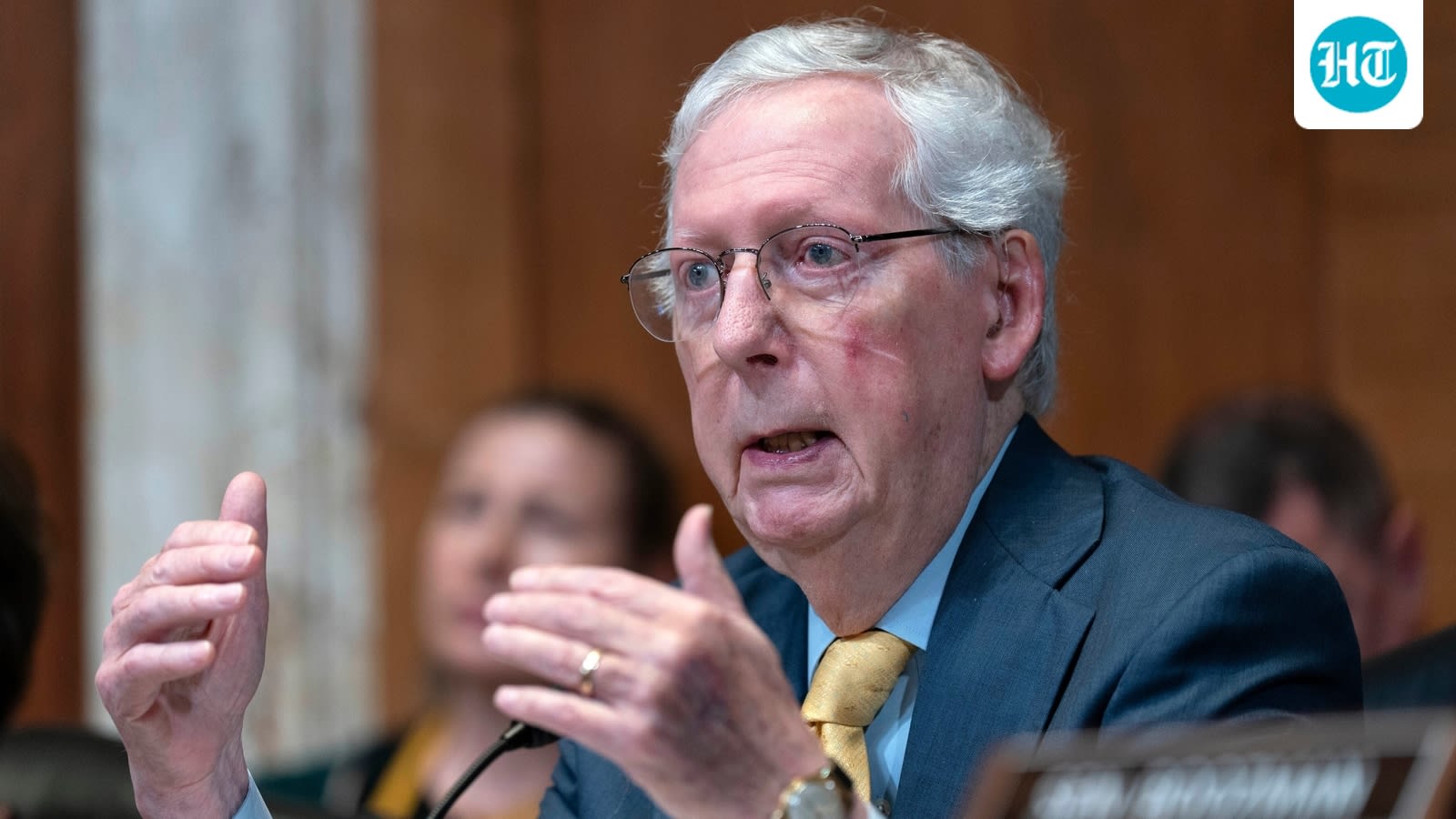
Senator Mitch McConnell's 72-day absence from the Senate has triggered intense scrutiny following viral videos questioning the awareness of Republican leadership. Despite office assurances and proof-of-life photos, persistent calls for transparency regarding his health and voting capacity remain.
The Growing Scrutiny Surrounding Senator Mitch McConnell
The prolonged absence of Kentucky Senator Mitch McConnell from the United States Senate, now exceeding 72 days, has become a focal point of intense political debate. Following his hospitalization on June 12, the Senator’s continued recovery has left a power vacuum and a cloud of uncertainty over the Republican caucus. This situation has not only hindered the party's legislative momentum but has also invited deep skepticism regarding the transparency of Senate leadership.
The Viral Controversy and Leadership Awareness
Recent viral footage has exacerbated these concerns, with allegations surfacing that high-ranking Republican leaders—specifically John Thune and John Barrasso—may have been aware of McConnell's difficulties with voting procedures prior to his medical event. These allegations, if substantiated, suggest a potential disconnect between the public narrative provided by the Senator's office and the internal awareness within the party's upper echelons. This has led to a narrative of potential obfuscation that critics are eager to exploit.
The Struggle for Transparency
McConnell’s office maintains that the Senator is actively participating in a rehabilitation program following his discharge. To counter rumors and quell public concern, his staff has released several 'proof-of-life' photographs. However, these static images have failed to satisfy the growing demands from detractors who are now insisting on video evidence to confirm his cognitive and physical readiness to resume his official duties. The refusal or inability to provide such granular proof has only fueled further speculation.
Broader Political Implications
This absence puts the Senate Republicans in an incredibly difficult position. As a key architect of the party’s legislative strategy and judicial appointments, McConnell’s absence is felt acutely during committee hearings and floor votes. The inability of the caucus to definitively address the Senator's status creates a narrative of instability, potentially affecting the party's ability to maintain a unified front on critical policy issues during this extended period of transition.
Historical Context of Senatorial Absences
Historically, the U.S. Senate has grappled with the health of its members, but the modern digital landscape demands a higher level of real-time accountability. Unlike in past decades, where health struggles were managed more privately, the current political climate—characterized by intense media scrutiny and viral social media cycles—makes it nearly impossible for high-profile figures to maintain extended absences without facing significant public backlash and calls for institutional transparency.
Future Trends and Concluding Thoughts
Moving forward, the pressure on Senate leadership to clarify the status of their colleagues will likely increase. This event serves as a catalyst for potential future debates regarding the necessity of medical disclosure policies for elected officials. As the public continues to demand accountability, the Republican leadership will need to balance the Senator's right to privacy with the institutional necessity of ensuring that the Senate remains a functional and transparent body. Until McConnell returns to his post, the questions surrounding his health and the awareness of his peers will remain a central point of contention in American politics.
Verification Required?