Mizoram minister meets NDMA to discuss disaster preparedness, resilience measures
Source Entity
Latest News: Todays Latest News Headlines from India & World | Hindustan Times | Hindustan Times
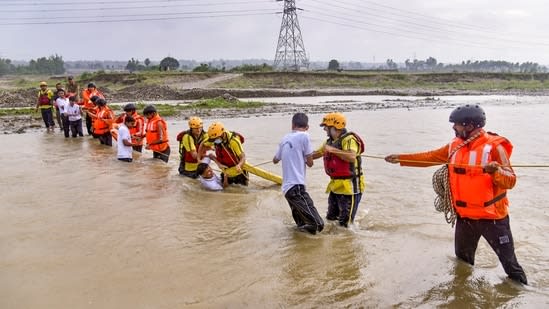
Mizoram's Minister of State for Disaster Management, Prof. Lalnilawma, met with the NDMA to strengthen the state's resilience against natural disasters. The discussion prioritized strategies for mitigating earthquakes, landslides, and disease outbreaks like African Swine Fever.
Strengthening Mizoram's Disaster Resilience: A Strategic Review
A Proactive Approach to Vulnerability
Recent high-level engagements between Mizoram’s Minister of State for Disaster Management and Rehabilitation, Prof. Lalnilawma, and the National Disaster Management Authority (NDMA) in New Delhi mark a critical juncture in the state’s administrative approach to disaster risk reduction (DRR). Given Mizoram's unique geographical placement within the highly seismic zones of Northeast India, the state faces persistent threats from earthquakes and terrain-related instabilities. By aligning state-level priorities with national frameworks, the government is signaling a shift from reactive crisis management toward a proactive, mitigation-focused governance model.
Addressing Geological and Environmental Hazards
At the core of the discussions were the perennial risks of earthquakes and landslides, which represent significant threats to the state’s infrastructure and human safety. Mizoram’s topography, characterized by steep slopes and complex soil structures, makes it particularly susceptible to landslides during the monsoon season. The collaboration with the NDMA is intended to accelerate the implementation of mitigation strategies, likely involving structural reinforcements, early warning systems, and improved land-use planning to minimize the physical impact of these geological hazards.
Managing Biological Threats: The African Swine Fever Crisis
Beyond geological hazards, the meeting underscored the importance of addressing biological risks, specifically the recurrent outbreaks of African Swine Fever (ASF). The inclusion of ASF in the disaster management agenda highlights an evolving understanding of 'disaster' that encompasses not just natural phenomena but also threats to agricultural stability and food security. By treating livestock epidemics as a disaster management priority, the government aims to coordinate state and central resources to contain outbreaks, protect local livelihoods, and stabilize the rural economy.
Empowering Local Resilience
A significant portion of the discourse focused on community-based disaster preparedness. Recognizing that local populations are the first responders in any catastrophe, the push for grassroots-level training is essential. This strategy involves educating communities on immediate survival tactics and integrating local knowledge with scientific mitigation techniques. By fostering a culture of preparedness, the government aims to reduce the dependency on external aid during the critical 'golden hour' following an event.
Future Trends and Policy Implications
Looking ahead, the success of this collaboration will be measured by the efficient execution of pending proposals under the NDMA’s guidance. As climate patterns become increasingly erratic, the integration of forest fire management into the broader DRR strategy will be crucial. The outcome of this meeting suggests that Mizoram is positioning itself to become a model for resilient governance in the Northeast, potentially paving the way for more robust, technology-driven disaster management frameworks in the region.
Conclusion
In summary, the dialogue between Prof. Lalnilawma and the NDMA represents a comprehensive effort to fortify Mizoram against a diverse array of threats. By balancing immediate mitigation needs for geological disasters with long-term agricultural and community-based resilience strategies, the state is taking concrete steps toward a more secure future.
Verification Required?