Model Routing Is Simple. Until It Isn’t.
Source Entity
Hugging Face - Blog
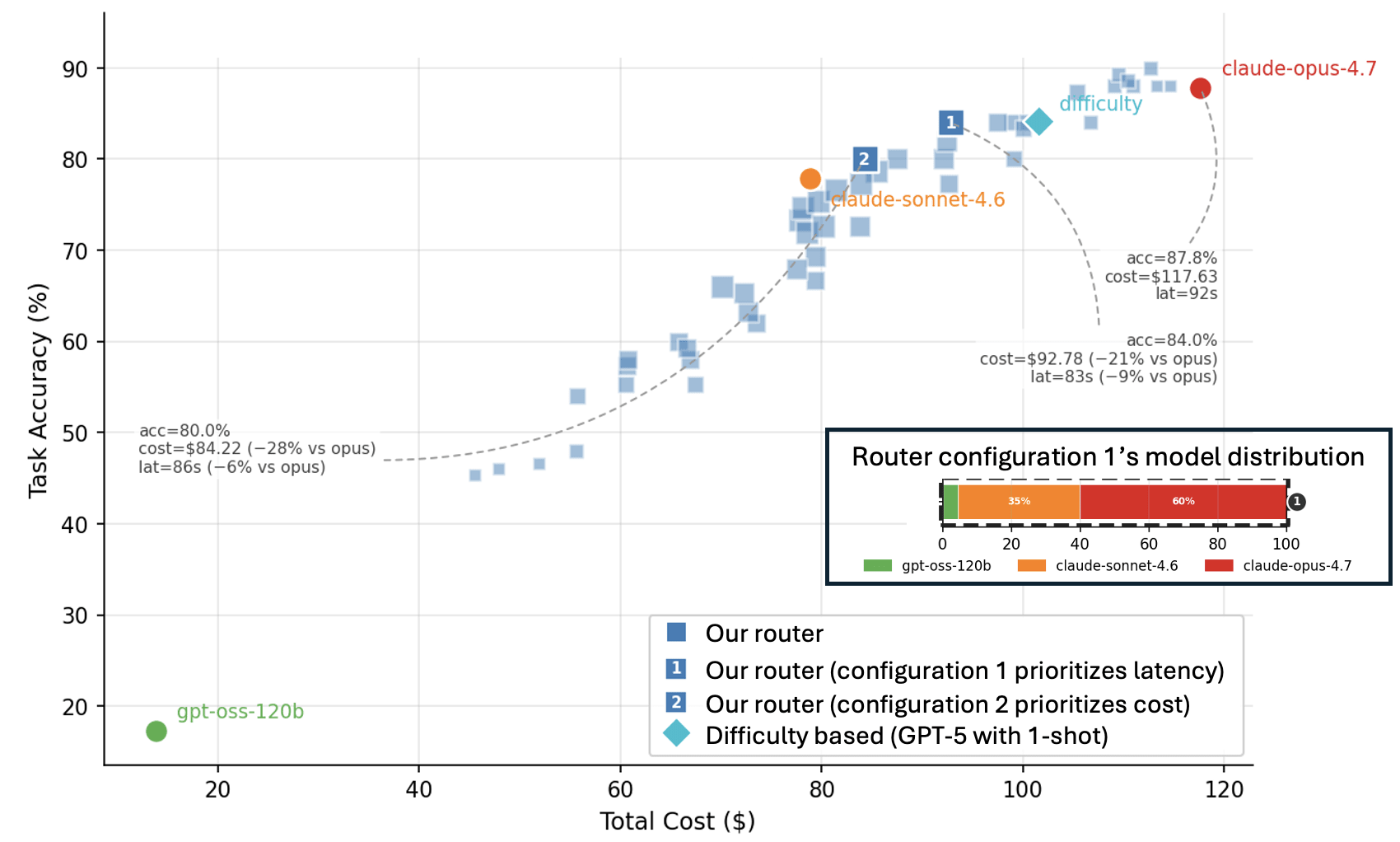
Model routing in AI agents is evolving from a simple classification task into a complex systems optimization challenge. Developers must look beyond basic token costs to account for latency, reliability, and model-specific performance nuances.
The Complexity of Intelligent Model Routing
As of July 15, 2026, the industry discourse surrounding AI agent architecture has shifted from the simplistic concept of 'routing' to a more nuanced understanding of system optimization. While the initial promise of model routing—directing simple queries to cost-effective models and reserving high-compute models for complex tasks—remains theoretically sound, the practical implementation has proven significantly more difficult than anticipated. The transition from a basic heuristic classifier to a robust agentic system requires navigating layers of complexity that often escape initial development phases.
Moving Beyond the Classification Fallacy
Many developers initially treat model routing as a standard classification problem: analyzing a request, categorizing its intent, and mapping it to the 'best' model. However, real-world application reveals that this approach is insufficient. Once an agent is embedded within a production environment, the decision-making process is no longer just about model capabilities; it becomes a multi-dimensional optimization problem. The shift from classification to systems engineering is where most projects encounter friction, as the static rules that worked during prototyping fail to adapt to the dynamic requirements of live, enterprise-grade AI agents.
The Hidden Costs of Model Selection
One of the most significant misconceptions in the current landscape is the assumption that cost is defined solely by token pricing. As illustrated by the comparison between models like GPT-4.1 and Claude Sonnet 4.6, price fluctuations and performance-to-cost ratios are rarely linear. Developers often find that a seemingly cheaper model incurs higher 'hidden' costs, such as increased latency, higher retry rates, or the need for additional prompt engineering to achieve parity with more expensive models. This necessitates a total cost of ownership (TCO) approach to routing that incorporates infrastructure overhead and operational efficiency.
The Three Pillars of Routing Difficulty
The difficulty in scaling these systems is rooted in three distinct dimensions that transform simple routing into a complex engineering endeavor. First, the variability in model pricing often defies market expectations, rendering static routing tables obsolete almost as quickly as they are deployed. Second, the performance variance across models—such as specialized capabilities in coding, reasoning, or multimodal processing—requires a sophisticated understanding of model drift and capability overlap. Third, the reliability of these systems under load introduces a layer of operational complexity that simple heuristics cannot manage.
Future Trends in Agentic Systems
Looking forward, we anticipate a move toward 'dynamic routing' systems that learn from live telemetry rather than relying on pre-programmed heuristics. As enterprises continue to integrate diverse model sets, the role of the router will evolve into a sophisticated traffic controller that balances latency, cost, and accuracy in real-time. The industry is clearly signaling that the 'low-hanging fruit' of model routing has been picked, and the next phase of development will focus on deep systems integration, automated performance monitoring, and the refinement of routing logic to handle the unpredictable nature of user-generated inputs.