'Modi thinks way in advance': PM says Hormuz crisis didn't affect railways
Source Entity
ROHITASHWA RANJAN
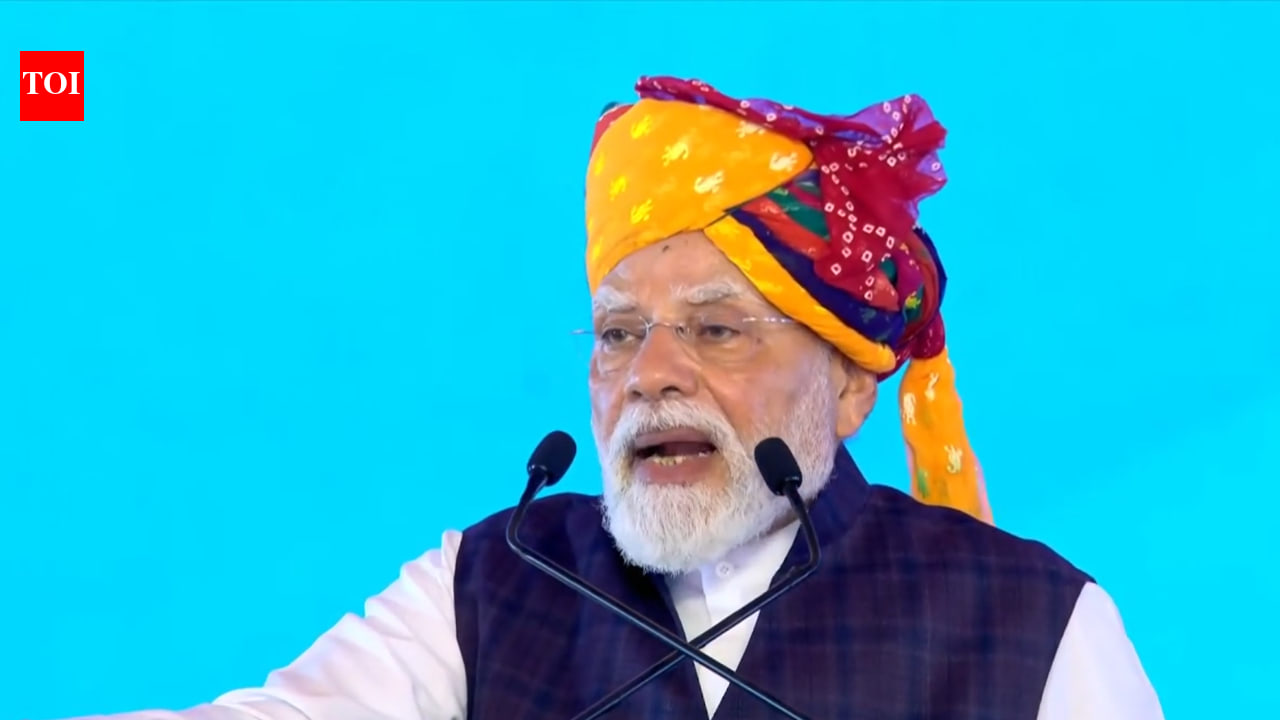
Prime Minister Narendra Modi credited proactive government planning for insulating Indian Railways from the impact of the Hormuz crisis. He highlighted this resilience as a significant improvement compared to the systemic vulnerabilities present in 2014.
Strategic Foresight in Infrastructure Management
Prime Minister Narendra Modi recently addressed the resilience of the Indian railway network in the face of global geopolitical instability, specifically citing the Hormuz crisis. By asserting that the government's long-term planning shielded domestic rail operations from potential supply chain disruptions, the Prime Minister emphasized a shift from reactive governance to a model of proactive strategic management.
The 2014 Benchmark: A Study in Contrast
The Prime Minister drew a direct parallel between the current operational stability of Indian Railways and the state of the system in 2014. This comparison serves to highlight the evolution of India's infrastructure policy over the last decade. Historically, Indian Railways faced chronic issues regarding fuel dependency and administrative bottlenecks; the current administration argues that post-2014 reforms have created a more robust system capable of absorbing external shocks without compromising domestic logistics.
Navigating Global Geopolitical Volatility
The Strait of Hormuz is a critical global chokepoint for energy supplies. When tensions rise in this region, global markets typically brace for volatility in oil prices and logistics chains. By successfully insulating the railways from these pressures, the government is signaling that its energy diversification and supply chain management strategies are beginning to yield tangible results. This resilience is vital for maintaining the momentum of India’s industrial growth, which relies heavily on the efficient movement of freight.
Implications for Economic Stability
The ability of the railway network to remain unaffected by international crises has broader implications for India's economic sovereignty. Railways act as the lifeline of the Indian economy, connecting remote manufacturing hubs with major ports and urban centers. By minimizing the impact of external geopolitical friction, the government ensures that internal trade remains predictable, which is a key requirement for attracting foreign direct investment and fostering domestic manufacturing.
Future Trends and Sustainable Infrastructure
Looking ahead, the government’s focus on 'thinking in advance' suggests a continued push toward modernization and reduced dependency on volatile global energy markets. Future trends in Indian transport will likely prioritize electrification and energy-efficient logistics to further insulate the sector from future crises. By investing in renewable energy sources for railway operations, the administration aims to build a long-term buffer against the geopolitical risks that have historically hampered infrastructure stability.
Conclusion
In summary, the Prime Minister’s assessment underscores a fundamental transition in how critical infrastructure is managed in India. By moving away from the vulnerabilities observed in 2014, the government claims to have established a more stable framework. This proactive approach to policy-making is presented as the cornerstone for ensuring that India’s growth trajectory remains uninterrupted, regardless of external disturbances in global corridors like Hormuz.