PM Modi to attend Asean summit in Manila today; what's on agenda
Source Entity
ABHISHEK MISHRA
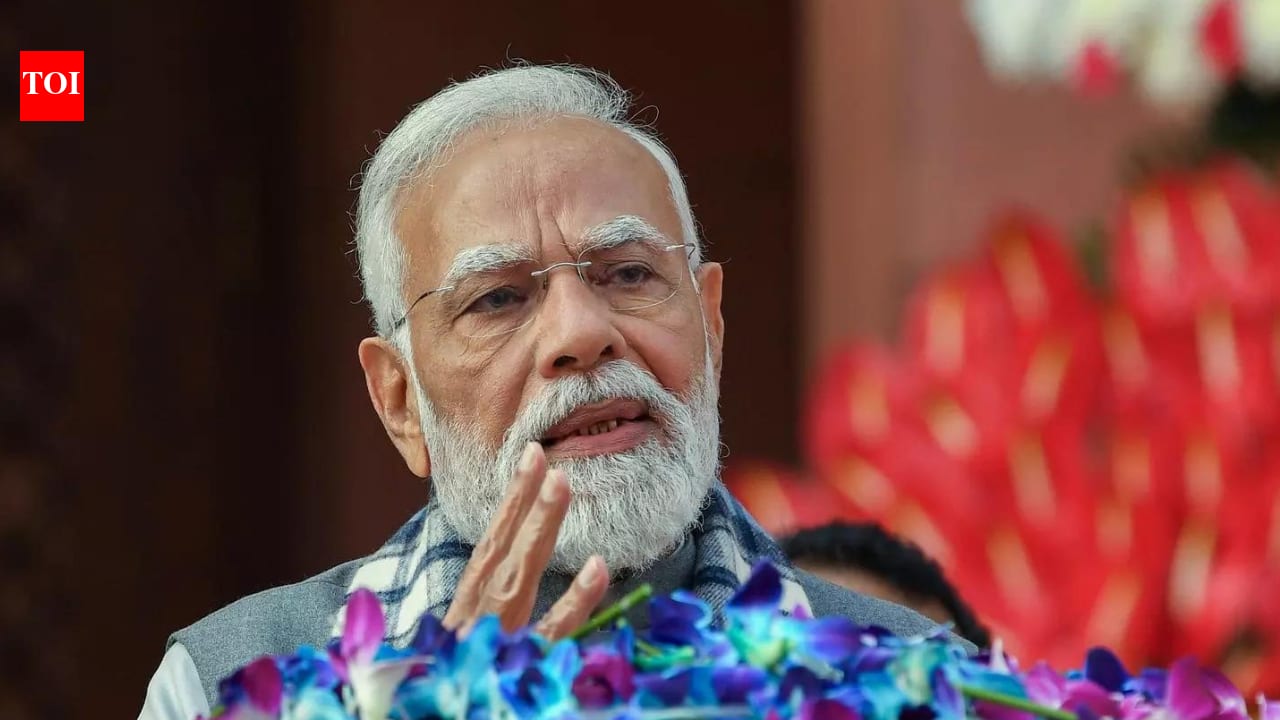
Prime Minister Narendra Modi is traveling to Manila for the ASEAN and East Asia Summits to bolster maritime security and economic ties. The visit will also feature a key Quad Leaders' Summit on the sidelines to discuss regional strategic cooperation.
Strengthening Indo-Pacific Ties: PM Modi’s Manila Visit
Prime Minister Narendra Modi is embarking on a significant three-day diplomatic mission to Manila, Philippines, to participate in the annual ASEAN-India Summit and the East Asia Summit. This visit represents a critical juncture in India’s 'Act East' policy, aiming to solidify the nation's influence in Southeast Asia by engaging with regional powerhouses on matters of shared strategic interest.
Core Agenda: Maritime Security and Economic Cooperation
At the heart of the summit discussions are three primary pillars: maritime security, economic cooperation, and development partnerships. As global supply chains face increasing scrutiny, the focus on maritime security highlights a collective concern regarding freedom of navigation and the stability of critical trade routes in the Indo-Pacific. By prioritizing these issues, India seeks to integrate its economic growth strategies with the regional security architecture.
The Strategic Significance of the Quad
Perhaps the most anticipated element of this visit is the planned Quad Leaders’ Summit, held on the sidelines of the ASEAN meetings. The inclusion of leaders from Australia, Japan, and the United States underscores the growing importance of the Quad as a mechanism for addressing regional challenges. With US Assistant Secretary of State Dylan Johnson confirming efforts to formalize this meeting, the event serves as a platform to coordinate policy responses to complex geopolitical shifts.
Global Leadership Convergence
The Manila summit acts as a microcosm of global diplomacy, drawing high-profile figures including US President Donald Trump, Brazilian President Luiz Inacio Lula da Silva, and other international heads of state. This convergence of world leaders provides a unique venue for bilateral discussions, allowing PM Modi to address specific national interests while fostering multilateral cooperation on broader global conflicts and economic stability.
Future Implications and Trends
Looking ahead, the outcomes of these summits are likely to dictate the trajectory of India-ASEAN relations for the coming years. By moving toward more formal economic partnerships and intensified defense cooperation, India is positioning itself as a stabilizing force in the region. The emphasis on development partnerships suggests a long-term commitment to infrastructure and connectivity, which will be essential for maintaining regional competitiveness.
Conclusion
In summary, PM Modi’s visit to Manila is a multi-faceted diplomatic effort that balances economic ambition with regional security. By leveraging the ASEAN platform and the Quad framework, India is actively shaping the future of the Indo-Pacific. The success of these meetings will likely result in deeper integration and a more robust defense of shared maritime interests, marking a pivotal moment in contemporary international relations.