In midnight video message, PM promises tough new law for exam leaks
Source Entity
Harikishan Sharma, Damini Nath, Jatin Anand
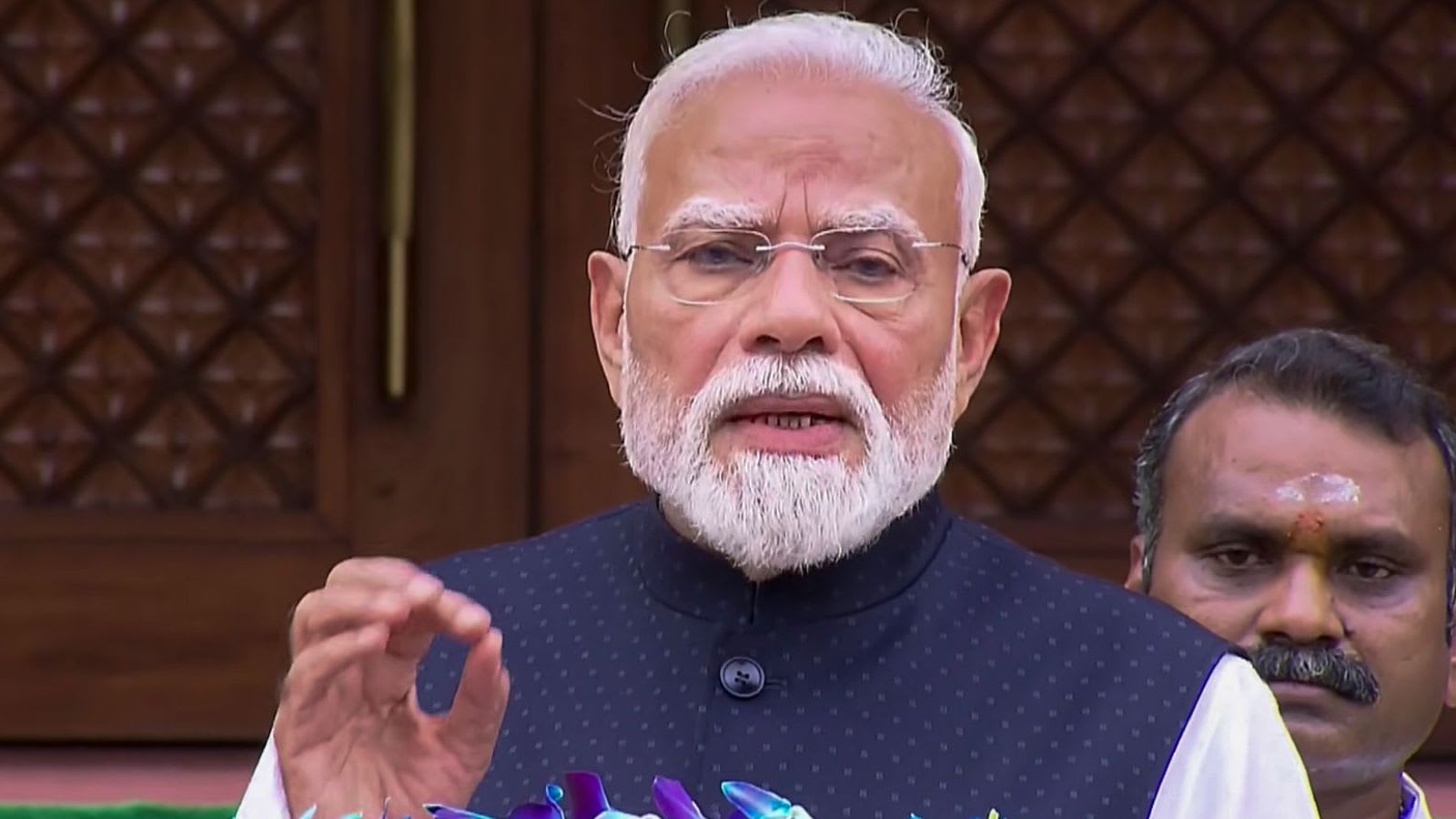
The first day of the Monsoon Session of Parliament faced major disruptions due to opposition protests over the NEET paper leak and Ram temple donation theft. Simultaneously, massive street protests in Delhi led to police intervention as demonstrators demanded the Education Minister's resignation.
Parliament Monsoon Session Paralyzed by Protests
The Monsoon Session of Parliament commenced on a volatile note this Monday, July 20, 2026, as the proceedings in both the Lok Sabha and Rajya Sabha were effectively washed out. The legislative agenda was sidelined almost immediately as opposition MPs from the Congress, Samajwadi Party, and Trinamool Congress trooped into the Well of the House. This intense display of dissent was triggered by grievances surrounding the alleged NEET paper leak and reports of donation theft at the Ram Temple in Ayodhya, creating a deadlock that forced six consecutive adjournments before the session was called off for the day.
The NEET Controversy and Political Friction
At the core of the parliamentary paralysis is the NEET paper leak scandal, which the opposition, led by figures like Mallikarjun Kharge, has framed as a systemic failure impacting the futures of lakhs of students. The political heat in Parliament mirrored the chaos on the streets of New Delhi, where tens of thousands of protesters—primarily associated with the Cockroach Janta Party (CJP)—marched toward the legislative heart of the capital. Demanding the resignation of Union Education Minister Dharmendra Pradhan, these protesters clashed with security forces, resulting in the widespread use of tear gas, water cannons, and lathi-charges across key thoroughfares like Ashoka Road and Janpath.
Legislative Business Amidst the Chaos
Despite the pervasive disruptions, the government managed a singular, albeit significant, legislative action. Union Law Minister Arjun Ram Meghwal introduced a Bill in the Lok Sabha aimed at replacing an existing Ordinance. This specific piece of legislation seeks to increase the sanctioned strength of the Supreme Court of India from 34 to 38 judges, including the Chief Justice. While this move is intended to address the mounting backlog of cases within the judiciary, its introduction occurred in a vacuum of formal debate, highlighting the stark contrast between the government’s administrative goals and the prevailing atmosphere of confrontation.
Strategic Fragmentation of the Opposition
While the opposition presented a united front in their disruptive tactics, the session also revealed underlying fractures. The DMK, for instance, bypassed the Congress-led strategy meetings to focus specifically on the Mekedatu project issue, signaling that regional priorities continue to hold sway over national coalition dynamics. Furthermore, the logistical details of the session, such as the altered seating arrangements for rebel Trinamool Congress (TMC) MPs, served as a reminder of the internal volatility currently defining the broader Indian political landscape.
Broader Implications and Future Trends
This washout of the session's first day sets a precarious precedent for the remainder of the Monsoon Session. As the opposition remains intent on keeping the focus on exam irregularities and religious site management, the government’s ability to pass critical reforms will be heavily tested. The intensity of the street protests suggests that the 'NEET issue' is not merely a parliamentary talking point but a significant public mobilization effort that could force a Cabinet reshuffle if the pressure on the Education Ministry remains relentless. Moving forward, the government must balance its legislative agenda with the immediate necessity of addressing public trust, or risk further gridlock in the weeks to come.
Multiple Citing Sources