Why Rahul Gandhi took the paper leak fight to PM’s doorstep
Source Entity
Manoj C G, Asad Rehman
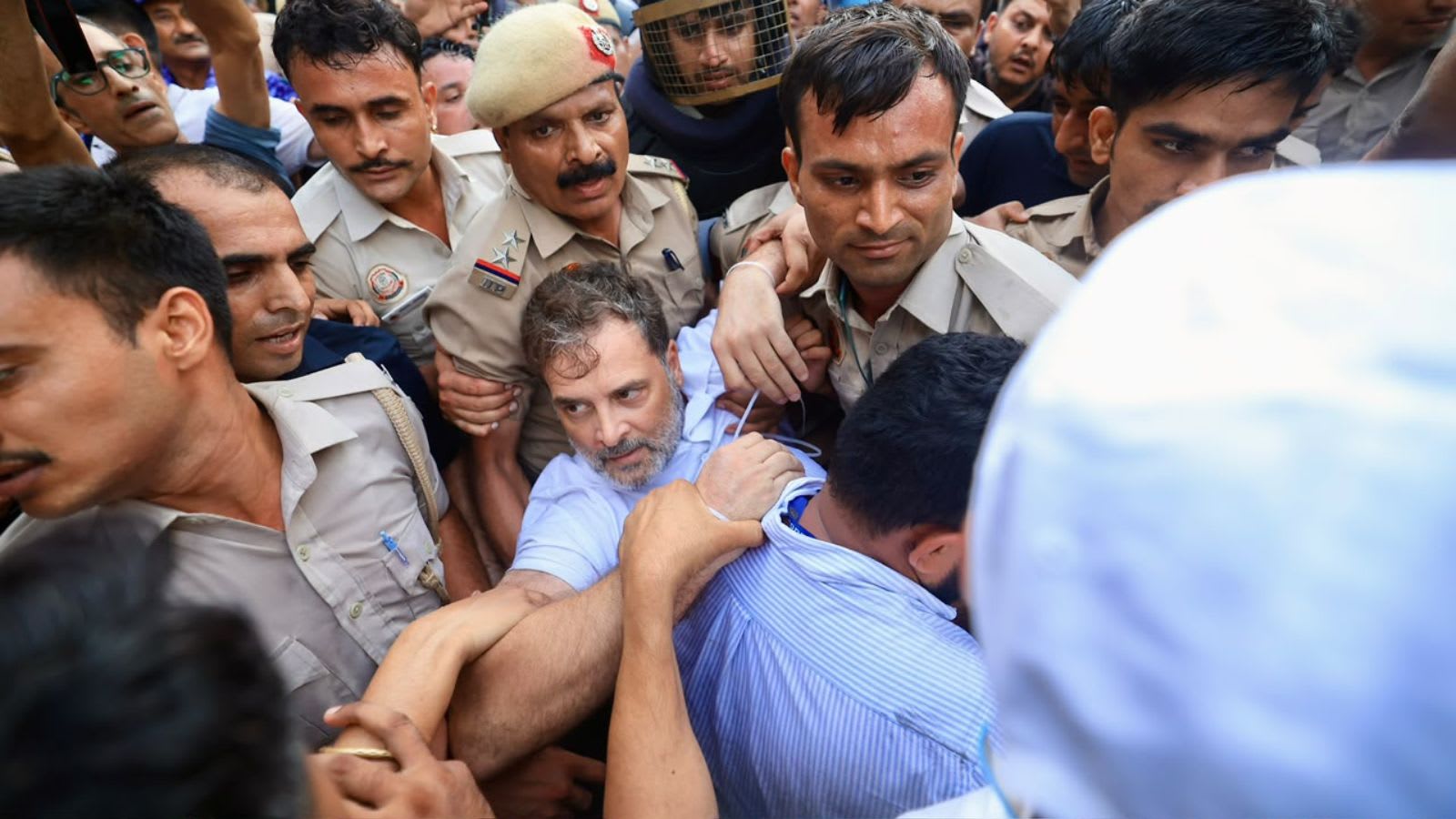
The first day of the Monsoon Session was disrupted by widespread protests over the NEET paper leak and Ayodhya temple donation theft. Parliamentary proceedings faced multiple adjournments, while thousands of demonstrators clashed with police in central Delhi.
Parliament Monsoon Session Paralyzed by Protests
The opening day of the Monsoon Session of Parliament on July 20, 2026, witnessed a complete breakdown of legislative order as the Opposition staged vociferous protests. The Lok Sabha and Rajya Sabha were subjected to repeated adjournments, effectively washing out the day’s agenda. The intensity of the unrest reflects a deepening divide between the government and the Opposition regarding the integrity of national examination systems and the management of religious institutions.
The Catalyst: NEET and Ayodhya Controversies
At the heart of the parliamentary gridlock were two primary grievances: the alleged NEET paper leak and the reported theft of donations at the Ram Temple in Ayodhya. Opposition MPs, including representatives from the Congress, Samajwadi Party, and Trinamool Congress, stormed the Well of the House, demanding accountability. The NEET controversy, in particular, has become a focal point for the Opposition, with calls for the resignation of Union Education Minister Dharmendra Pradhan, citing widespread irregularities in exam administration.
Civil Unrest in the Capital
Beyond the walls of Parliament, the streets of Lutyens’s Delhi transformed into a theater of conflict. An estimated 50,000 protesters, largely mobilized by the Cockroach Janta Party (CJP), attempted to march toward the legislative complex. The scale of the demonstration necessitated a heavy-handed response from security forces, who utilized lathicharges, tear gas, and water cannons across major thoroughfares like Ashoka Road and Raisina Road to contain the swelling crowds.
Legislative Stagnation vs. Judiciary Expansion
Despite the chaotic environment, the government managed to transact minimal business. Union Law Minister Arjun Ram Meghwal introduced a crucial Bill aimed at replacing an existing Ordinance. This legislative move is designed to increase the sanctioned strength of the Supreme Court of India from 34 to 38 judges, including the Chief Justice. This expansion reflects the government's attempt to address the mounting backlog of cases within the judicial system, even as political tensions hinder broader governance.
Fractures in Opposition Unity
While the Opposition acted in concert on many fronts, the internal dynamics remain complex. Notable incidents, such as the DMK skipping a Congress-led meeting to pursue a separate agenda regarding the Mekedatu issue, suggest that while the Opposition is united in its protest, regional priorities continue to dictate parliamentary strategy. Furthermore, the seating adjustments for rebel Trinamool Congress MPs underscore the ongoing internal political realignments that complicate the floor management of the House.
Future Trends and Implications
As the session progresses, the government faces the dual challenge of addressing the public outcry over educational integrity and managing a hostile Opposition. The trend of linking localized grievances—such as temple donation theft—with high-stakes national issues like the NEET exam suggests a strategy of 'total opposition' that will likely continue to disrupt legislative productivity. Unless there is a significant breakthrough in dialogue, the remainder of the Monsoon Session may struggle to move beyond symbolic gestures and procedural business.
Multiple Citing Sources