'Amit Shah beat up students, he should…': Rahul Gandhi on CJP march, police crackdown
Source Entity
Latest News: Today's Latest News Headlines from India & World | Hindustan Times | Hindustan Times
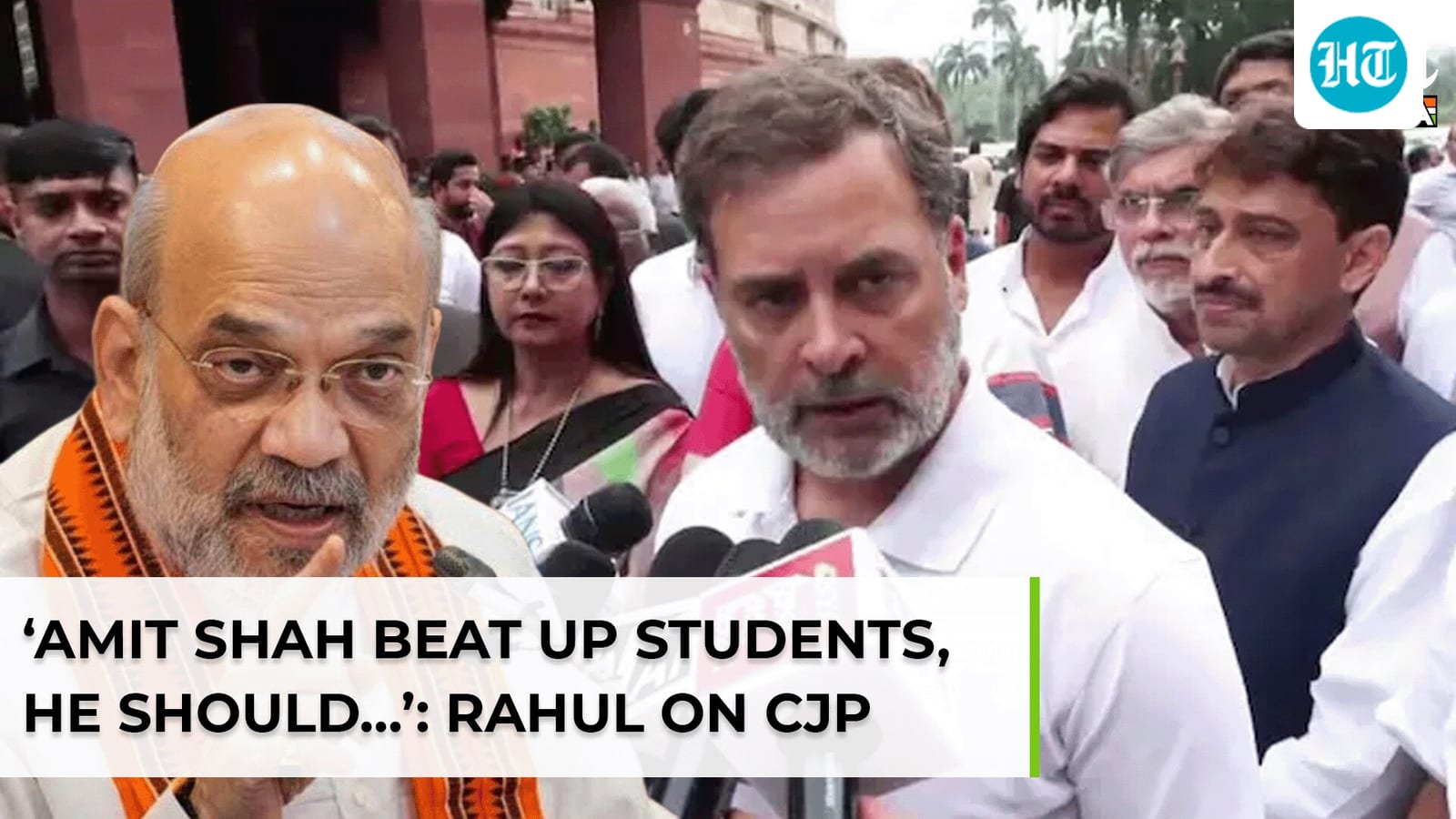
The first day of the Monsoon Session was disrupted by widespread protests over the NEET paper leak and Ayodhya temple donation theft. Parliamentary proceedings were largely washed out, with only a bill to expand the Supreme Court bench being introduced.
Parliament Monsoon Session Disrupted by Widespread Protests
The Monsoon Session of Parliament commenced on a volatile note on Monday, July 20, 2026, as the proceedings were effectively paralyzed by intense Opposition protests. Both the Lok Sabha and the Rajya Sabha witnessed repeated adjournments throughout the day, ultimately leading to the cancellation of the day's legislative agenda. The discord centered on two primary grievances: the alleged NEET examination paper leak and reports of theft concerning donations at the Ram Temple in Ayodhya.
The NEET Controversy and Public Unrest
At the heart of the disruption lies the NEET paper leak allegations, which have galvanized massive public protests outside the parliamentary precinct. Led by the Cockroach Janta Party (CJP), tens of thousands of demonstrators, primarily students, converged on Lutyens’s Delhi. The demand for the resignation of Union Education Minister Dharmendra Pradhan has become a focal point for the Opposition, who argue that the integrity of national examinations is under threat. The police response—involving lathicharges, tear gas, and water cannons across major thoroughfares like Ashoka Road and Raisina Road—highlights the severity of the civil unrest accompanying the legislative session.
Parliamentary Stagnation and Strategic Dissent
Inside the House, the atmosphere was equally charged. MPs from the Congress, Samajwadi Party, and Trinamool Congress gathered in the Well of the House to register their dissent. Interestingly, the political landscape remains fragmented; the DMK chose to prioritize the Mekedatu issue, notably skipping the meeting called by the Congress leadership, signaling potential cracks in the unified Opposition front. The session also saw symbolic developments, such as the attention drawn to the changed seating arrangements for rebel Trinamool Congress MPs, reflecting the shifting internal dynamics within political parties.
Legislative Business Amid Chaos
Despite the frequent adjournments, the government managed to transact a singular, critical piece of legislative business. Union Law Minister Arjun Ram Meghwal introduced a bill to replace an existing Ordinance, which aims to increase the sanctioned strength of the Supreme Court of India from 34 to 38 judges, inclusive of the Chief Justice. This move to expand the judiciary indicates the government's intent to address judicial pendency even while managing the intense political pressure exerted by the Opposition regarding the ongoing exam scandals.
Broader Implications and Future Trends
This washout of the first day sets a challenging tone for the remainder of the Monsoon Session. The combination of street-level youth protest and parliamentary obstruction suggests that the Opposition will continue to leverage the NEET issue to challenge the government's credibility. As the session progresses, the ability of the government to balance its legislative agenda—such as judicial reforms—against the persistent demands for ministerial accountability will be tested. If the current trend of disruption continues, it may lead to a truncated session, further delaying the passage of critical bills and exacerbating tensions between the executive and the legislative branches.
Multiple Citing Sources
Verification Required?