"Can't Let This Go On Like This": Supreme Court To Centre On NEET Paper Leak Row
Source Entity
NDTV News Search Records Found 1000
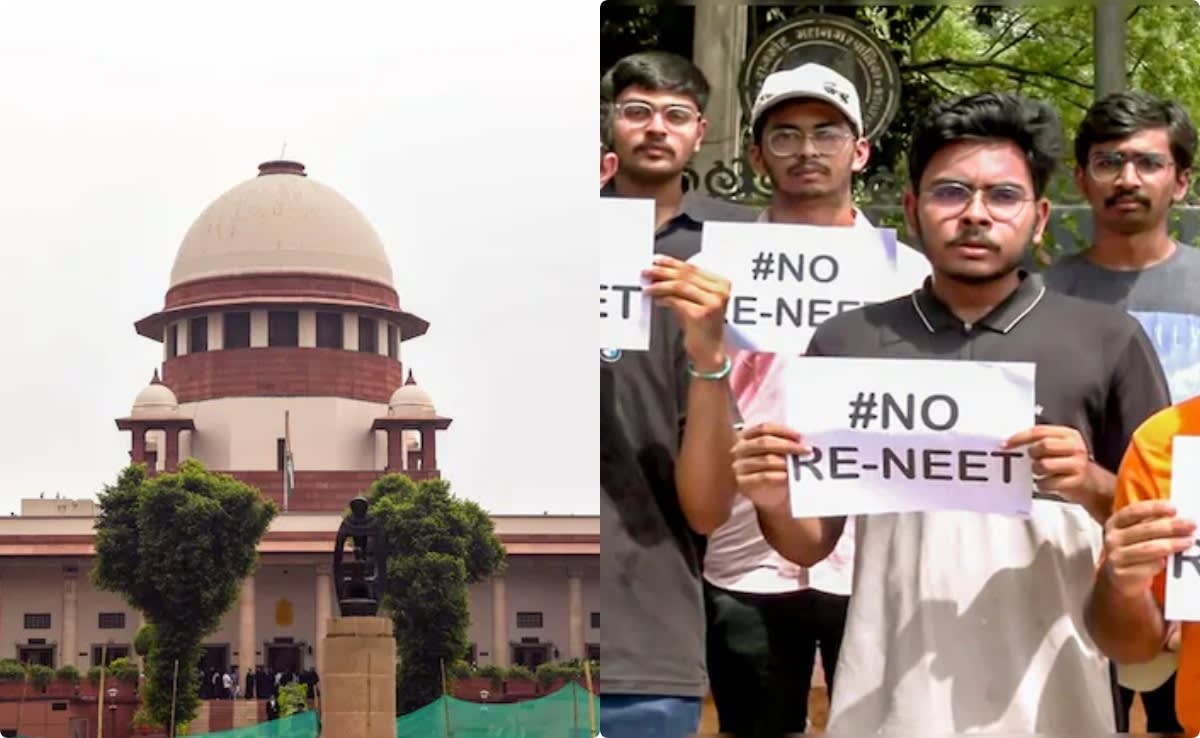
The Monsoon Session of Parliament saw immediate disruptions as Opposition MPs protested against the alleged NEET paper leak and Ram temple issues. Simultaneously, massive protests led by the CJP in Delhi resulted in clashes with police as demonstrators demanded the Education Minister's resignation.
Parliamentary Disruption and Civil Unrest: A Tense Start to the Monsoon Session
The Monsoon Session of Parliament commenced on July 20, 2026, under a cloud of intense political friction. The proceedings in the Lok Sabha were marked by immediate and repeated adjournments, as members from the Congress, Samajwadi Party, and Trinamool Congress entered the Well of the House to register their dissent. The primary catalysts for this parliamentary deadlock were the alleged NEET paper leak and reports of theft concerning Ram temple donations, signaling a challenging start for the legislative agenda.
The NEET Controversy and Public Outcry
Central to the unrest is the allegation of widespread irregularities in the NEET examination process. This has not only sparked parliamentary debate but has also mobilized a significant grassroots movement. Tens of thousands of protesters, primarily organized by the Cockroach Janta Party (CJP), descended upon Lutyens’s Delhi, demanding the immediate resignation of Union Education Minister Dharmendra Pradhan. The scale of the protest—estimated at over 50,000 individuals—highlights the depth of public frustration regarding the integrity of national examination systems.
Security Challenges in the Capital
As demonstrators attempted to march toward Parliament, the security situation in New Delhi rapidly deteriorated. Police and anti-riot forces deployed lathicharges, tear gas, and water cannons across major arterial roads, including Ashoka Road and Janpath. The attempt to break through barricades reflects an escalation in civil disobedience, as protesters sought to bring their grievances directly to the doorstep of the legislative body. These clashes underscore the volatile intersection of student-led activism and national political stability.
Judicial Intervention and Legislative Stasis
While the streets and the floor of the House remained in turmoil, the legal system has begun to respond to the systemic issues underlying the protests. The Bombay High Court has taken the proactive step of notifying two special courts specifically for paper leak cases. This move aligns with the 2024 Act, which mandates an expedited trial process to be completed within three months, reflecting a broader effort to restore public trust in the examination framework through judicial efficiency.
Implications for the Legislative Agenda
Despite the chaos, the government managed a singular piece of legislative business: the introduction of a Bill by Union Law Minister Arjun Ram Meghwal. This Bill, designed to replace an Ordinance increasing the number of Supreme Court judges, serves as a reminder of the government's intent to push its agenda despite systemic resistance. However, the refusal of parties like the DMK to participate in Congress-led strategy meetings, while simultaneously raising their own regional issues like the Mekedatu project, suggests a fragmented Opposition that is nonetheless united in its intent to disrupt standard parliamentary proceedings.
Future Trends and Conclusion
Looking ahead, the combination of mass street protests and parliamentary gridlock suggests a highly contentious session. The government’s ability to pass critical legislation will likely remain hampered as long as the NEET controversy remains unresolved. As the judiciary moves to fast-track these cases, the political pressure on the Education Ministry is expected to intensify. Ultimately, the effectiveness of the Monsoon Session will depend on whether the administration can address the demands for accountability regarding exam integrity or if the current cycle of disruption will define the remainder of the session.
Multiple Citing Sources
Verification Required?