Moshi tragedy: PCMC suspends fire officer for misuse of authority
Source Entity
The Indian Express
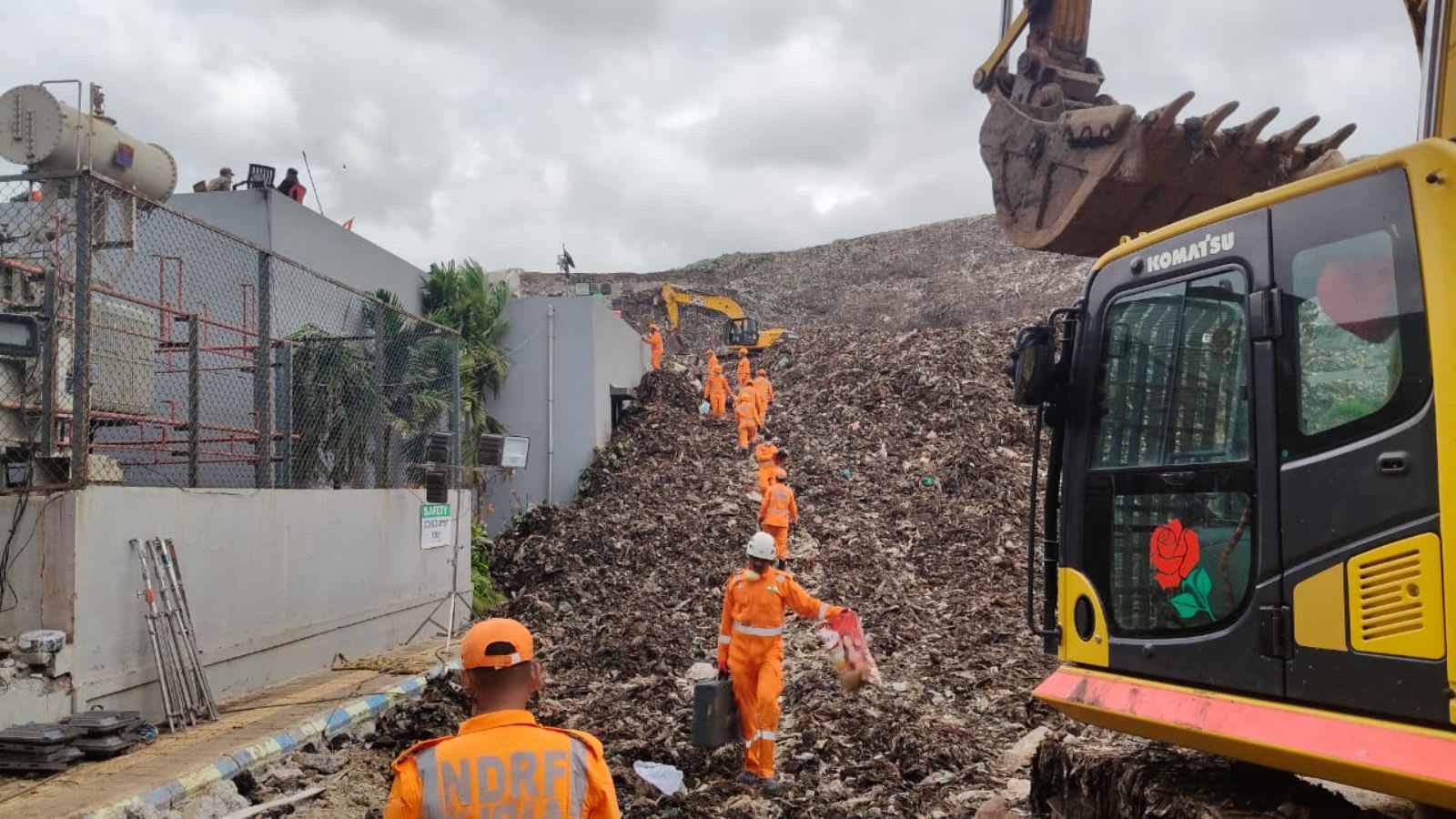
The Pimpri-Chinchwad Municipal Corporation has suspended fire officer Rushikant Chipade following a fatal garbage depot collapse that killed nine workers. The suspension stems from his failure to inspect the site before issuing a no-objection certificate for an illegal structure.
The Moshi Tragedy: Accountability and Administrative Failure
The recent tragedy at the Moshi garbage depot, which resulted in the loss of nine contractual lives, has sent shockwaves through the Pimpri-Chinchwad Municipal Corporation (PCMC). The incident, triggered by a massive pile of garbage collapsing onto workers, has exposed deep-seated systemic failures in administrative oversight and site safety protocols. The subsequent decision by PCMC Commissioner Vijay Suryavanshi to suspend fire officer Rushikant Chipade marks a significant, albeit reactive, step toward accountability.
The Role of Regulatory Negligence
At the core of the investigation is the finding that the collapsed building had been granted a no-objection certificate (NOC) without a mandatory physical site inspection. By failing to verify the structural integrity and the surrounding environmental hazards of the location, the fire department inadvertently provided a veneer of legitimacy to an illegal construction. This lapse in duty highlights the dangers of bureaucratic shortcuts, where the issuance of safety clearances becomes a procedural formality rather than a rigorous protective measure.
Expanding the Scope of Accountability
The suspension of Rushikant Chipade follows the earlier suspension of Sanjay Kulkarni, the Chief Engineer of the Environment Engineering department. The fact that the PCMC is targeting multiple high-level officials suggests that the negligence was not isolated to a single department but was likely part of a broader culture of administrative apathy. By initiating departmental inquiries against these key personnel, the civic administration is attempting to address the gross dereliction of duty that allowed illegal structures to exist within a high-risk zone.
Broader Implications for Urban Safety
This incident serves as a grim case study on the dangers of urban waste management practices. When municipal bodies fail to enforce zoning and safety regulations at garbage depots, they put the most vulnerable members of the workforce—contractual employees—at extreme risk. The collapse of the garbage pile itself indicates either poor site management or the encroachment of illegal activities into areas that should be strictly regulated for industrial safety.
Future Trends and Reform Requirements
Moving forward, the PCMC must transition from reactive disciplinary measures to proactive safety audits. The tragedy underscores the necessity for third-party safety assessments and a complete overhaul of how NOCs are issued for industrial and municipal sites. Future trends in civic governance will likely demand stricter digital tracking of inspection reports to ensure that no site is cleared without verifiable photographic or sensor-based evidence of safety compliance.
Conclusion
While the suspension of officials like Chipade and Kulkarni addresses the immediate need for administrative consequences, the path forward requires a fundamental shift in municipal culture. The lives lost at the Moshi depot must serve as a catalyst for ending the era of 'paper-only' inspections. Only through rigorous, transparent, and accountable site management can the PCMC hope to prevent such catastrophic failures in the future.